
Rubber tracks in Canadian winters face unique challenges from freeze-thaw cycles and salt corrosion. Extending their life requires proactive maintenance: clean daily to remove salt, maintain proper tension (loosen 1–2% in extreme cold), store indoors during dormancy, and choose OEM-spec tracks with reinforced compounds. Strategic care can boost track lifespan by 20–30% and prevent costly downtime across Alberta, Quebec, Ontario, and BC operations.
Check: Rubber Tracks
What Makes Canadian Winter Harsh on Rubber Tracks?
Canadian winters damage rubber tracks through freeze-thaw cycles that cause micro-cracking and material brittleness, thermal expansion and contraction that stresses elastomer compounds, road salt and de-icers that accelerate corrosion of internal steel cords and fasteners, and abrasive ice and gravel that embed in tread, leading to accelerated wear and loss of traction.
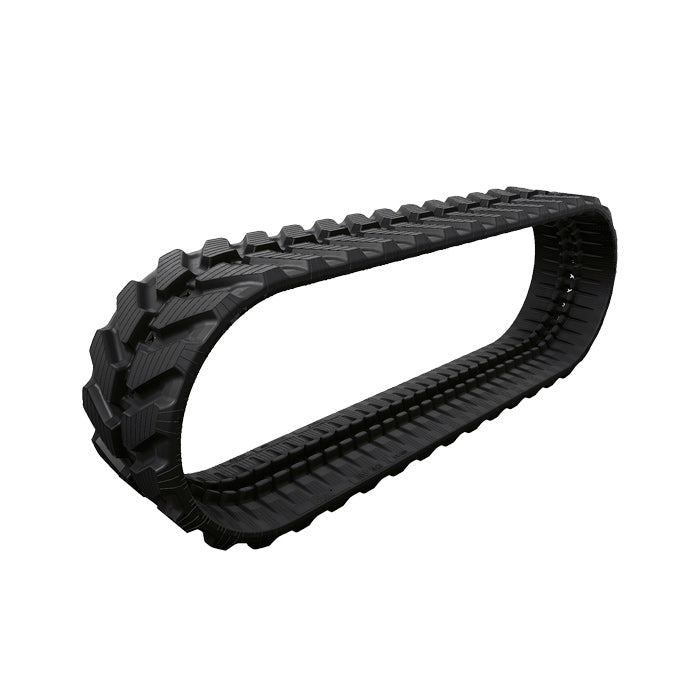
How Does Thermal Expansion and Contraction Damage Rubber Tracks?
Temperature swings from −30°C to +5°C in Alberta and Ontario force rubber to expand and contract repeatedly, weakening molecular bonds. Uneven heating between sunny and shaded track sections creates stress points prone to cracking. Internal steel cords lose elasticity from repeated thermal shock, shortening overall track life.
| Province | Avg. Winter Temp Range | Freeze-Thaw Cycles/Year | Projected Track Life Reduction |
|---|---|---|---|
| Alberta | −35°C to 0°C | 40–60 | 15–25% |
| Quebec | −25°C to −5°C | 50–70 | 20–30% |
| Ontario | −20°C to 0°C | 35–55 | 12–20% |
| BC (Interior) | −15°C to 5°C | 20–40 | 8–15% |
What Role Does Salt Corrosion Play in Track Degradation?
Road salt (NaCl) and chloride de-icers migrate into track voids, targeting exposed steel cords and fasteners. Electrolytic corrosion accelerates when salt contacts dissimilar metals like steel bolts and rubber elastomer. Corroded bolts and cords weaken track structure, increasing breakage risk and premature replacement costs ($999–$1,500+ per track in CAD). Salt residue also hardens rubber compounds, reducing flexibility and traction in icy conditions.
"Our OEM-spec rubber tracks use corrosion-resistant fasteners and sealed elastomer compounds to combat salt penetration—a 12-month pro-rated warranty backs durability in salt-heavy provinces like Quebec and Ontario."
AFT Parts Expert View: AFT Parts specializes in aftermarket excavator undercarriage components manufactured to OEM specifications, including rubber tracks like the 300x52.5Nx80 model for Bobcat and Komatsu machines at $999.99 CAD with free Canadian shipping. These tracks feature high-tensile steel cord reinforcement that resists wear and cracking, premium rubber compounds for extended service life, and advanced lug patterns for optimal grip—ideal for B2B contractors and mining operators facing harsh winters. Paired with Track Rollers, Carrier Rollers, Idlers, and Sprockets compatible with 20+ brands, AFT ensures complete undercarriage reliability backed by a 12-month pro-rated limited warranty across all provinces.
How Should You Clean and Maintain Rubber Tracks in Winter?
Implement a daily cleaning routine to remove salt, ice, and debris with low-pressure water wash, avoiding high-pressure jets that force salt deeper. Perform bi-weekly deep cleans using mild detergent and a soft brush on track surfaces and voids, allowing full air-dry before operation. Inspect bolts and fasteners weekly, tightening loose ones, and lubricate pivot points with corrosion-inhibitor grease on idlers, sprockets, and track links.
- Power off machine; cool tracks to ambient temperature
- Rinse with water; remove visible ice and salt debris
- Inspect for cracks, missing bolts, or separating rubber
- Apply corrosion-inhibitor grease to exposed metal joints
- Document inspection date in maintenance log
What Track Tension Adjustments Are Critical in Cold Weather?
Loosen track tension by 1–2% during winter as rubber shrinks when cold, increasing natural tension. Avoid over-tensioning, which accelerates roller and sprocket wear. Conduct monthly tension checks with a gauge, targeting 10–15 mm deflection at midspan per OEM specs. Indoor storage during shutdowns maintains stable tension and reduces freeze-thaw shock.
Which Rubber Track Features Offer Cold-Climate Resilience?
Seek reinforced elastomer compounds that maintain flexibility at −30°C, sealed steel cords to prevent salt and moisture ingress, advanced tread patterns with deeper voids for ice shedding and grip, and extended pad thickness like 80 mm on AFT's 300×52.5N×80 rubber tracks for Bobcat, Komatsu, Kubota, and 40+ models, providing thermal mass against rapid temperature changes.
| Feature | AFT Parts OEM-Spec | Generic Aftermarket |
|---|---|---|
| Elastomer Compound | Cold-resistant (−30°C rated) | Standard (−15°C rated) |
| Steel Cord Sealing | Full encapsulation | Partial/None |
| Tread Pattern | Aggressive, ice-shedding | Basic |
| Pad Thickness | 80 mm (reinforced) | 70–75 mm |
| Warranty Coverage | 12-Month Pro-Rated | 6–9 months typical |
| CAD Price (300×52.5N×80) | $999.99 | $850–950 (lower durability) |
How Does Indoor Storage Extend Rubber Track Life in Winter?
Indoor storage in heated spaces (5–15°C) provides temperature stability, eliminating freeze-thaw stress and micro-cracking. It reduces salt exposure to prevent corrosion of fasteners and steel cords, controls moisture to lower electrolytic corrosion risk, and allows pre-season inspections for spring readiness, minimizing downtime for rental companies and forestry operators.
Check: Diggit SCL850 Attachments: Complete Buying Guide and Market Insights for Canada
"Contractors across Alberta and Ontario report 15–20% longer track life when equipment is stored indoors during winter shutdowns. Pair this with our OEM-spec tracks and 12-month warranty to maximize ROI."
What Are the Best Practices for Spring Transition and Track Inspection?
Conduct post-winter deep inspections for salt damage, corrosion, cracks, and bolt looseness. Test elastomer by pressing thumb into rubber—it should rebound quickly; persistent indentation signals replacement. Replace corroded fasteners with OEM-spec alternatives, gradually re-adjust tension as temperatures rise, and source parts like Track Rollers and Idlers from AFT Parts for seamless compatibility.
Conclusion
Cold-climate maintenance is essential for rubber tracks in Canada, countering freeze-thaw cycles and salt corrosion that drive premature failure. OEM-spec quality from suppliers like AFT Parts, with cold-resistant compounds and sealed cords in tracks priced from $999.99 CAD, extends life by 20–30%. The 12-month pro-rated warranty reduces risk for contractors, rental firms, and mining operators in Alberta, Quebec, Ontario, and beyond. Province-specific strategies, daily cleaning, tension checks, and indoor storage deliver the best ROI, far outweighing replacement costs.
Explore AFT's OEM-spec rubber tracks for Caterpillar, Komatsu, Kubota, and 20+ brands. Pair with Track Rollers, Idlers, and Sprockets for complete undercarriage kits. Need parts for your fleet? Contact AFT Parts—12-month warranty, free Canadian shipping. Email: support@aft-parts.com | WhatsApp: +1 (236) 965-6529.
FAQs
How much longer do OEM-spec rubber tracks last compared to budget aftermarket tracks in Canadian winters?
OEM-spec tracks like AFT's with cold-resistant compounds and reinforced fasteners extend lifespan by 20–30% in freeze-thaw environments. Budget tracks degrade faster due to lower elastomer quality and poor salt protection. AFT's 12-month pro-rated warranty ensures durability for B2B buyers across provinces.
Can I use the same rubber tracks in summer and winter, or do I need seasonal swaps?
Modern OEM-spec rubber tracks like AFT's are designed for year-round use in all Canadian provinces. Superior winter performance comes from cold-resistant features. No seasonal swaps needed with proper tension adjustments (loosen 1–2% in winter) and cleaning protocols.
What is the typical cost of replacing rubber tracks in Canada, and how does preventive maintenance save money?
Rubber track replacement costs $999–$1,500+ CAD per track by brand and size. Preventive maintenance like cleaning, tensioning, and storage extends life by 20–30%, saving $2,000–$4,500+ CAD annually per machine. AFT Parts' OEM-spec tracks and warranty minimize replacements.
Are AFT Parts' rubber tracks compatible with all major excavator brands?
Yes, AFT Parts offers OEM-spec tracks for 20+ brands including Caterpillar, Komatsu, Kubota, Bobcat, Hitachi, John Deere, Kobelco, Case, Doosan, JCB, and Yanmar. All carry 12-month pro-rated limited warranty with free ground shipping to most Canadian provinces.
Which Canadian provinces face the harshest winter conditions for rubber track wear?
Alberta with extreme freeze-thaw (−35°C lows) and Quebec with heavy salt use (50–70 cycles) see severe thermal and corrosion stress. AFT's OEM-spec products and province-wide shipping address these for construction, mining, and forestry operators.