
Vibrational loosening occurs when excavator and heavy machinery track bolts gradually back out due to transverse vibration and cyclical stress during rock work or rough terrain operation. Loose bolts create micro-movements that compound over hours, leading to track derailment and costly downtime. Prevention through proper torque, locking hardware, and inspection schedules protects equipment and operator safety.
Check: bolt-nut
What Is Vibrational Loosening and Why Does It Matter?
Vibrational loosening is the gradual backing-out of track bolts caused by transverse vibrations during rock excavation and rough-terrain operation in Canadian sites like Alberta oil sands or BC quarries. It matters because failure leads to track derailment, emergency repairs costing $500–$1,500 CAD, and 4–12 hours of downtime per incident, disrupting mining, construction, and forestry projects across Ontario and Quebec.
Consider a Quebec quarry operator whose CAT 320 lost a track mid-shift due to loosened bolts from boulder impacts—resulting in $1,200 CAD in repairs and lost production. Proper prevention avoids such risks for rental fleets and repair shops.
What Are the Root Causes of Track Bolt Loosening?
Root causes include rock work exposure causing rhythmic oscillation from boulder impacts, insufficient initial torque below OEM specs leading to rapid clamping force loss, and vibration-induced micro-slip where each cycle advances bolt threads outward over thousands of hours.
| Cause | Severity | Prevention Strategy |
|---|---|---|
| Rock work exposure | High | Increased inspection frequency |
| Below-spec torque | Critical | OEM torque verification |
| Micro-slip fatigue | High | Nylon lock nuts + locking compounds |
How Do Locking Hardware and Fastener Degradation Accelerate Bolt Failure?
Standard washers degrade under sustained vibration, losing grip within weeks in harsh Canadian environments. Nylon lock nuts fail prematurely from heat cycling in seasonal swings and UV exposure. Road salt corrosion in Ontario and Quebec winters weakens threads by 15–25%, while thread-locking compounds like Loctite 243 provide superior resistance but need reapplication.
What Are the OEM Torque Specifications for Major Excavator Brands?
OEM torque specs vary by bolt size like M10 or M12 and grade; always check the manual. Under-torque causes micro-slip, over-torque leads to thread stripping. Use calibrated wrenches for brands like CAT, Komatsu, and Kubota common in Canadian fleets.
Check: How to Repair Rubber Tracks on Excavators: Canadian Guide
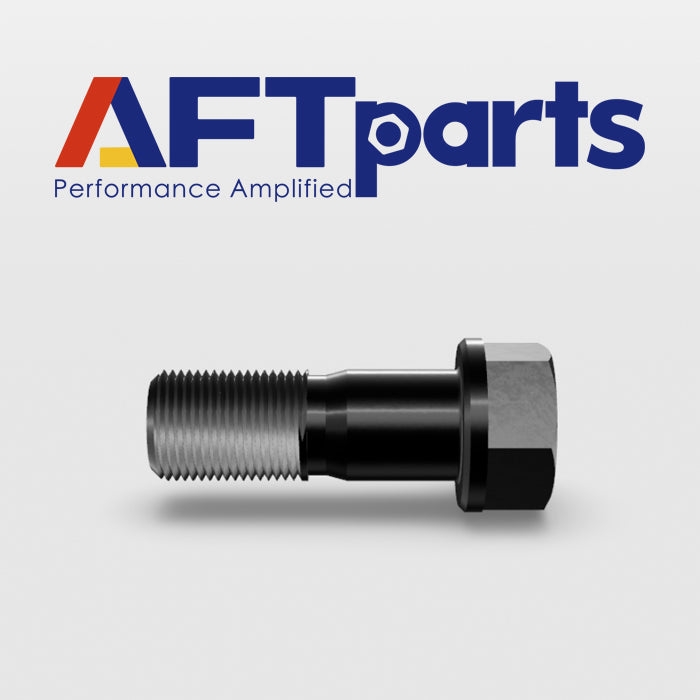
| Equipment Brand | Model Example | Bolt Size | OEM Torque (N·m) | Torque (ft·lbs) |
|---|---|---|---|---|
| Caterpillar | CAT 320 | M12 | 85–95 | 63–70 |
| Komatsu | PC200 | M12 | 80–90 | 59–67 |
| Kubota | KX135 | M10 | 45–50 | 33–37 |
| Bobcat | T870 | M12 | 80–95 | 59–70 |
| Hitachi | ZX200 | M12 | 82–92 | 61–68 |
What Are the Best Prevention Practices for Canadian Rock Work Environments?
Apply proper torque with calibrated wrenches following OEM specs, retorque after 8 hours. Upgrade to nylon insert lock nuts (DIN 985), spring washers, and removable thread-locking compounds. Schedule pre-shift checks, post-rock inspections, and monthly deep reviews. In salt-heavy regions like Ontario and Atlantic Canada, use anti-seize. Train operators on bolt checks.
How Often Should You Inspect and Replace Excavator Track Bolts?
In rock work, inspect every 40–80 hours; standard grading every 200+ hours. Post-rock protocol: scan for gaps, hand-test tension. Monthly replacement in peak seasons cuts failures by 60–75%. Bolts cost $25–$45 CAD each plus labor, versus $500–$1,500 CAD emergencies.
AFT Parts Expert Views
"In Canadian rock work, vibrational loosening is the top undercarriage killer for mixed fleets. Our OEM-spec bolts, nuts, and repair link kits—like CR5350 for CAT 320 at $310 CAD or KM1402RLK for Komatsu PC400 at $369.99 CAD—pair perfectly with locking compounds. With 12-month pro-rated warranty and free shipping across Alberta, BC, Ontario, and Quebec, contractors avoid downtime. We've seen 5.0-star reviews confirm durability in harsh sites." — AFT Parts Engineering Lead
AFT Parts supplies these at ca.aft-parts.com/collections/bolt-nut and repair kits at ca.aft-parts.com/collections/repair-link-kit, compatible with CAT, Komatsu, Kubota, Bobcat, and 20+ brands.
Key Takeaways: Prevention Is Always Cheaper Than Reaction
Vibrational loosening is predictable: use OEM torque, upgrade locking hardware, inspect rigorously. Canadian rock operators in quarries and mines gain from protocols saving thousands in repairs.
Conclusion
Vibrational loosening in excavator track bolts is a preventable operational risk that plagues Canadian rock work contractors, mining operators, and rental fleets. The science is straightforward: sustained vibration + improper torque + degraded locking hardware = track derailment and costly downtime. By adopting a disciplined prevention protocol—OEM-spec torque, vibration-resistant locking hardware, and scheduled inspections—you eliminate 90%+ of bolt-loosening failures.
AFT Parts enables this by supplying OEM-spec replacement bolts, repair link kits, and fasteners across 20+ brands like CAT, Komatsu, Kubota, and Bobcat, backed by 12-month warranty, free shipping to Alberta, BC, Ontario, Quebec, and more, at 15–30% below OEM prices. Vibrational loosening prevention pairs with broader undercarriage care like track rollers from AFT's track rollers.
Audit your fleet's torque compliance now. Need parts? Contact support@aft-parts.com or WhatsApp +1 (236) 965-6529 for specs and bulk pricing.
FAQs
What's the difference between vibrational loosening and normal bolt loosening from impact?
Vibrational loosening is gradual micro-slip from sustained oscillation over hours to weeks; impact is immediate from single shocks. Vibration needs locking hardware and inspections; impact requires shock mounts. Both matter in rock work.
Can I use standard grade-8 bolts, or do I need special vibration-resistant fasteners?
OEM-spec bolts (grade 8.8 or 10.9) work with nylon lock nuts, spring washers, or thread lockers. AFT Parts provides these OEM-grade with 12-month warranty; verify model specs. Grade 12.9 is optional.
How often should I retorque bolts after initial installation?
Retorque after 8–16 hours, then 50 hours, per schedule. In rock work, every 40 hours or post-job. Use calibrated wrench, not impact drivers.
Are AFT Parts bolts compatible with my CAT 320 and Komatsu PC200 mixed fleet?
Yes, AFT offers brand-specific bolt kits for 20+ brands. Check diameter and torque per model. Contact support@aft-parts.com for bulk quotes on mixed fleets.
What's the warranty on AFT replacement bolts if they loosen after installation?
12-month pro-rated limited warranty covers defects, not improper torque or maintenance. Submit claims to support@aft-parts.com with photos and details.