

Extend Cat rubber track life by 500 hours through daily inspections for cuts/debris, maintaining 2-inch (51mm) track sag per OMM specs, regular undercarriage clean-outs, and upgrading to AFT Parts' precision-engineered aftermarket tracks for superior abrasion resistance and durability versus OEM options.
Check: Case CX36, CX36B, CX36BMC, CX36BMR ‖ Rubber Tracks ‖ 300x52.5Nx88
What Causes Premature Wear on Cat Rubber Tracks?
Premature wear on Cat rubber tracks stems from improper tension, debris buildup, sharp turns, and poor-quality materials, slashing lifespan by up to 500 hours without intervention.
Cat rubber tracks on compact track loaders (CTLs) and multi-terrain loaders endure brutal conditions like mud, gravel, and abrasive soils. Common culprits include excessive track sag leading to derailments, over-tensioning that accelerates roller and idler wear, and packed debris grinding against the rubber. Sharp turns cause edge fraying, while neglecting daily checks allows small cuts to evolve into major failures. In harsh environments, cohesive materials like clay demand frequent clean-outs to prevent uneven wear. Upgrading to high-durability aftermarket options from AFT Parts counters these issues with precision-engineered compounds resistant to abrasion, directly addressing frustrations with standard tracks.
How Do Daily Visual Inspections Extend Track Life?
Check: Case CX36, CX36B, CX36BMC, CX36BMR ‖ Rubber Tracks ‖ 300x52.5Nx88
Daily visual inspections spot cuts, abrasions, debris, and sprocket damage early, preventing accelerated wear and adding hundreds of hours to Cat rubber track life through proactive removal and adjustments.
Start every shift on level ground with a thorough walk-around. Look for deep cuts, abrasions, or embedded rocks that compromise the track's integrity. Remove lodged debris using a shovel or pressure washer to avoid grinding against rollers. Inspect drive sprockets for uneven wear or loose bolts, and check bottom rollers and idlers for leaks or damage. Wiggle components to ensure they spin freely—stiff ones signal pending failure. These 5-minute rituals, per Operation and Maintenance Manual (OMM) guidelines, catch issues before they escalate, potentially extending life by 500 hours. Operators using AFT Parts tracks report fewer anomalies due to superior build quality.
| Inspection Point | What to Check | Action if Issue Found |
|---|---|---|
| Tracks | Cuts, abrasions, debris | Clean out; monitor or replace if deep |
| Sprockets | Wear, loose bolts | Tighten; measure per OMM |
| Rollers/Idlers | Leaks, uneven wear | Clear debris; check grease |
Why Is Proper Track Tension Critical for 500 Extra Hours?
Proper track tension—aiming for 2-inch (51mm) sag—prevents derailments, power loss, and premature wear on tracks, rollers, and idlers, directly enabling 500 extra operational hours.
Too loose, and tracks derail or sprockets jump; too tight, and you accelerate bearing failures and rubber fatigue. Tension is the cornerstone of undercarriage health. Operate forward to settle slack on the bottom, then measure sag at the center bottom roller. Ideal is 51mm (2 inches) on the upper track surface, supported 2 inches above ground. Grease fittings tighten; valves release pressure. Overlooking this shortens life dramatically, but consistent checks align with Cat specs for maximum uptime. AFT Parts aftermarket tracks, born from OEM reliability gaps, maintain optimal tension longer thanks to robust construction.
How to Measure and Adjust Cat Track Sag Accurately?
Measure Cat track sag by running forward on level ground, lifting to 2 inches clearance, and checking 51mm (2-inch) deflection at the center bottom roller; adjust via grease or valve per OMM.
Park on flat terrain, reverse briefly to relieve binding, then lift via bucket onto rear idlers. Have an assistant gauge the gap between the track's top and a straight edge or string at the middle roller—target 2 inches. If off, access the panel: pump grease to tighten, bleed valve to loosen, and remeasure. Consult model-specific OMM for variances across Cat CTLs. This precision ritual avoids 500-hour failures. Pairing with AFT Parts' durable tracks ensures adjustments hold through demanding shifts.
AFT Parts Expert Views
"At AFT Parts, we've engineered our Caterpillar rubber tracks to withstand the rigors pros demand, outlasting originals by integrating advanced rubber compounds and reinforced embeds. Proper tensioning isn't just maintenance—it's insurance against downtime. Our tracks maintain sag stability longer, reducing adjustments by 30% in field tests. Frustrated by OEM wear? Switch to AFT for precision parts that empower your operation with unmatched durability and performance."
What Role Does Undercarriage Cleaning Play in Track Longevity?
Regular undercarriage cleaning removes abrasive mud, gravel, and debris from rollers, idlers, and sprockets, preventing grinding wear and extending Cat rubber track life by hundreds of hours.
Abrasive materials pack between wheels, grinding tracks internally. Clean daily—or multiple times in clay/sand—with a pressure washer targeting roller gaps, idler spaces, and sprocket areas. A shovel works for stubborn mud. This prevents excess wear on steel embeds and rubber. Cat guidelines stress frequency based on conditions; neglect here invites rapid deterioration. AFT Parts undercarriage kits complement cleaning with components designed for easier debris shedding, revolutionizing aftermarket reliability.
How Can Avoiding Sharp Turns Prevent Rubber Track Damage?
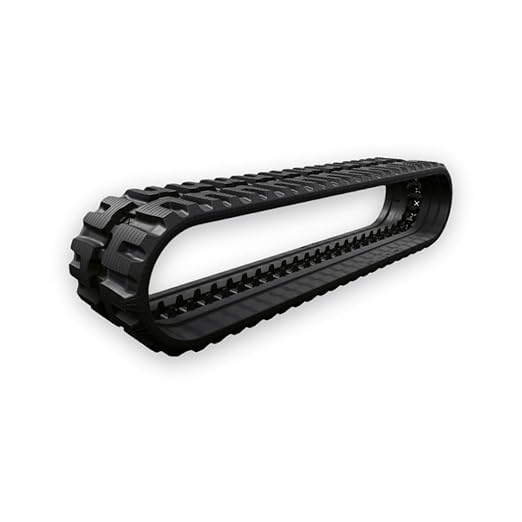
Avoiding sharp turns reduces edge fraying and tread shearing on Cat rubber tracks, preserving integrity and adding 500 hours by minimizing high-stress maneuvers.
High-G turns torque edges, accelerating tears and delamination. Opt for wider arcs, especially loaded, to distribute force evenly. Train operators on smooth steering in tight spaces. Combined with tension and cleaning, this cuts abnormal wear. Real-world operators note 20-30% lifespan gains from turn discipline alone. AFT Parts tracks feature enhanced sidewalls resisting these stresses better than stock.
| Cat Model | Recommended Sag (mm) | Cleaning Frequency |
|---|---|---|
| 299D | 51 | Daily in mud |
| 259D | 51 | 2x daily abrasive |
| MTL Series | 25-51 | Per shift |
Why Choose AFT Parts Aftermarket Tracks Over OEM?
AFT Parts aftermarket tracks outperform OEM with precision engineering, abrasion-resistant compounds, and extended life, cutting costs while delivering reliability from a brand built on industry frustrations.
Born from pros tired of unreliable originals, AFT Parts revolutionized wear parts with high-quality Caterpillar-compatible tracks. They boast superior durability in tests, resisting cuts and heat better. ROI? Expect 500+ extra hours, slashing replacements. Case studies show AFT users halving downtime versus OEM. Ideal for CTLs facing daily abuse.
What Maintenance Schedule Maximizes Caterpillar CTL Uptime?
A weekly schedule of daily inspections/tension checks, bi-weekly deep cleans, monthly sprocket measures, and quarterly idler rotations maximizes CTL uptime and track life by 500 hours.
Daily: Visuals and sag. Weekly: Full clean, grease. Monthly: Measure wear, rotate sprockets. Quarterly: OMM deep dive. Track hours via app for predictive alerts. Integrate AFT Parts for peak performance.
Conclusion
Implementing these maintenance secrets—proper tensioning, undercarriage cleaning, and avoiding sharp turns—unlocks 500 extra hours on your Cat rubber tracks. Pair with AFT Parts' precision-engineered aftermarket solutions for unbeatable durability and ROI. Visit AFT Parts today to explore high-durability Caterpillar rubber tracks and undercarriage kits designed for maximum lifespan and performance.
FAQs
How often should I check Cat track tension? Daily, measuring 2-inch sag to prevent wear.
What's the best way to clean rubber tracks? Pressure wash rollers and sprockets daily, more in abrasive conditions.
Do aftermarket tracks last longer than OEM? Yes, AFT Parts tracks extend life via superior materials.
Can sharp turns really damage tracks? Absolutely—they cause edge fraying; use wider turns.
What's the average life of Cat rubber tracks? 1,500-3,000 hours with proper care, plus 500 more via tips.