

Extend skid steer rubber track life by 50% with daily debris removal, 1.5-3" track sag tension, weekly undercarriage inspections for wear/cracks, and monthly full cleanings per manufacturer specs. Avoid over-tightening, sharp turns on rocks, and chemicals; pair with precision-engineered aftermarket tracks for optimal ROI and minimal downtime.
Check: Caterpillar 304CCR, 305.5DCR, 305.5ECR, 305C ‖ Rubber Tracks ‖ 400x72.5Wx76
What Causes Premature Skid Steer Rubber Track Wear?
Premature skid steer rubber track wear stems from debris buildup, improper tension, sharp turns, operator habits, and environmental exposure, slashing lifespan by up to 50%. Addressing these through routine checks and best practices can double track durability for construction pros.
Skid steer rubber tracks endure brutal conditions on job sites, but common culprits accelerate failure. Debris like mud, gravel, and rocks grinds down treads and infiltrates undercarriage components, causing uneven wear. Over-tensioning stretches internal cables, leading to cracks and delamination, while under-tensioning allows slippage and sprocket damage. Sharp turns, especially on hard surfaces like asphalt, create excessive friction and sidewall scrubbing.
Operator errors compound issues: sideways travel on slopes, sudden pivots, and hitting obstacles like rebar. Harsh chemicals, oils, UV exposure, and extreme temperatures degrade the rubber compound. Worn undercarriage parts—rollers, idlers, sprockets—distribute weight unevenly, hastening track demise. Industry data shows these factors can halve expected life from 1,500-2,500 hours to under 1,000 without intervention.
| Cause | Impact on Tracks | Prevention Tip |
|---|---|---|
| Debris Buildup | Abrasion and uneven wear | Daily cleaning with low-pressure wash |
| Improper Tension | Stretching or slippage | Maintain 1.5-3" sag |
| Sharp Turns on Asphalt | Sidewall scrubbing | Use wide turns, avoid hard surfaces |
| Environmental Exposure | Rubber degradation | Store in shaded, dry areas |
How Does Proper Track Tension Extend Life by 50%?
Proper track tension with 1.5-3 inches of sag prevents over-stretching or slippage, directly extending life by 50% by reducing cable strain and sprocket wear, per manufacturer guidelines.
Track tension is the cornerstone of skid steer rubber track maintenance. Ideal sag—measured as the gap between the track's top span and underlying rollers when the machine is on level ground—should measure 1.5 to 3 inches. Too tight (less than 1 inch sag), and tracks overstretch, exposing steel cables and causing premature failure. Too loose (over 3 inches), and they slip off sprockets, accelerating wear.
Adjust using a grease gun on idlers or ratchet straps on adjustment holes, checking daily on new tracks and weekly thereafter. Caterpillar and John Deere data indicate over-tensioning alone cuts life by 50%, while optimal settings preserve rubber integrity and undercarriage health. For pros, this simple metric means fewer replacements and lower downtime costs.
What Daily Inspections Prevent Skid Steer Track Failure?
Daily inspections involve checking for debris, damage, tension sag (1.5-3"), and sprocket/roller wear on level ground to catch issues early and prevent catastrophic track failure.
Make daily walk-arounds non-negotiable for fleet operators. Park on level ground, visually scan tracks for cuts, cracks, missing tread chunks, or exposed cords—replace if tread depth drops below 8mm. Remove wedged debris from roller frames with a shovel or low-pressure wash to avoid abrasion.
Examine drive sprockets for uneven wear or misalignment, bottom rollers/idlers for leaks or damage, and confirm 1.5-3" sag. These 5-minute checks spot 80% of failure precursors, extending life significantly. Train crews to log findings for trends like accelerating wear signaling undercarriage issues.
Which Weekly Checks Maximize Undercarriage Performance?
Weekly checks focus on rollers, idlers, sprockets for wear/misalignment, lubrication of pivot points, and full track cleaning to ensure even weight distribution and peak undercarriage performance.
Undercarriage health directly ties to track longevity. Weekly, inspect rollers and idlers for flat spots, cracks, or debris; replace worn ones immediately as one bad roller can shred tracks. Check sprockets for tooth wear or looseness, lubricating grease points to cut friction.
Verify alignment—tracks should center on sprockets without drifting. Clean thoroughly to remove packed mud, using stiff brushes. These steps prevent uneven pressure, boosting lifespan by addressing wear before it spreads.
AFT Parts Expert Views
"At AFT Parts, we've engineered our precision rubber tracks with superior cable tensile strength and rubber bonding to withstand rigorous maintenance protocols. Professionals tell us that pairing our tracks with daily tension checks and weekly undercarriage lubing yields 50%+ life extensions. Born from industry frustration, our aftermarket solutions empower operators to minimize downtime—rely on AFT Parts for tracks that match your disciplined upkeep and deliver unmatched ROI."
How Can Monthly Maintenance Boost Track Lifespan?
Monthly maintenance includes full undercarriage disassembly cleaning, tension recalibration, tread depth gauging (>8mm threshold), and storage prep to eliminate hidden wear and boost track lifespan dramatically.
Go deeper monthly: pressure wash entire undercarriage, inspecting core bars for corrosion or separation—full replacement if adhesions fail. Measure tread depth precisely; gauge internal cable exposure. Recalibrate tension per manufacturer specs, rotating tracks if uneven wear appears.
Schedule professional audits for alignment and component swaps. This tiered approach, combined with quality parts, counters cumulative damage from daily ops.
What Operator Habits Double Your Rubber Track Durability?
Check: Caterpillar 304CCR, 305.5DCR, 305.5ECR, 305C ‖ Rubber Tracks ‖ 400x72.5Wx76
Operator habits like wide turns, straight slope travel, three-point turns over pivots, smooth acceleration, and avoiding asphalt/sharp objects double rubber track durability by minimizing stress.
Skilled operation is free maintenance. Train crews for three-point turns instead of counter-rotations, approach obstacles head-on, and drive straight up/down slopes to cut lateral scrubbing. Avoid sharp turns on asphalt—its hardness accelerates wear; opt for dirt paths.
Smooth throttle use prevents jolts. These habits, per operator training guides, can double life when paired with inspections. AFT Parts tracks enhance this resilience with durable compounds built for pro handling.
Why Choose Aftermarket Tracks for 50% Longer Life?
Precision-engineered aftermarket tracks like AFT Parts' offerings provide superior rubber compounds, stronger cables, and better bonding than budget options, delivering 50% longer life with proper maintenance.
OEM tracks shine but cost premium; budget aftermarket fails early. AFT Parts revolutionized this with high-quality, precision-engineered rubber tracks featuring resilient internals for extreme conditions. Users report extended hours thanks to minimal elongation and abrasion resistance.
| Track Type | Avg Lifespan (Hours) | Cost Savings with Maintenance |
|---|---|---|
| OEM | 1,500-2,000 | Baseline |
| Budget Aftermarket | 800-1,200 | Minimal |
| AFT Parts Precision | 2,250-3,000 | 50% Extension = $5K/Fleet Savings |
Integrate with maintenance for true gains—AFT Parts empowers pros with reliability.
When Should You Replace Skid Steer Tracks vs. Repair?
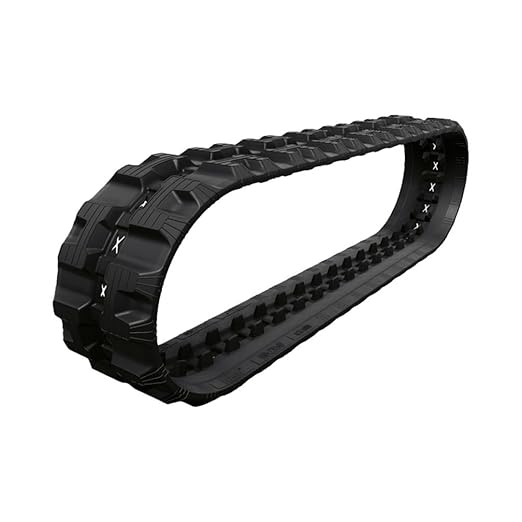
Replace tracks at <8mm tread, exposed cords, cracks, or unmaintainable tension; repair minor cuts with kits if cords intact, but prioritize replacement for safety and cost-efficiency.
Monitor thresholds: tread under 8mm, perpendicular cuts, core exposure, or sagging beyond adjustment signal replacement. Minor gouges? Use rubber repair kits promptly. Worn undercarriage demands parts swap first. Pros weigh total costs—extending via maintenance often beats premature swaps.
Conclusion
Implementing this blueprint—daily cleans, proper 1.5-3" tensioning, avoiding asphalt sharp turns, and tiered checks—can extend skid steer rubber track life by 50%. Pair with AFT Parts' precision-engineered aftermarket tracks for maximum durability and ROI. Visit AFT Parts today to explore rubber tracks and maintenance kits designed for professionals.
Frequently Asked Questions
What is the ideal track sag for skid steers? Aim for 1.5-3 inches on the top span for optimal tension, preventing stretch or slip.
How often should I clean rubber tracks? Daily after shifts with low-pressure wash to remove abrasive debris.
Can sharp turns on asphalt ruin tracks? Yes—avoid them; they cause sidewall wear. Use wide turns on softer ground.
Are aftermarket tracks as good as OEM? Precision options like AFT Parts exceed budget alternatives, often matching or surpassing OEM with better value.