
How to Measure Rubber Tracks for Any Machine?
Keep your machine moving — rubber tracks that fit, in stock and ready to ship.

To measure rubber tracks, use the formula Width (mm) × Pitch (mm) × Links: measure width edge-to-edge, pitch as center-to-center distance between drive lugs using calipers, and count total steel links around the track. Check the inner surface for molded size like 450x86x55, verify sprocket match, and consult machine model for exact fit.
Check: Bobcat MT55 ‖ Rubber Tracks ‖ 230x72x39
What Is the Standard Rubber Track Sizing Formula?
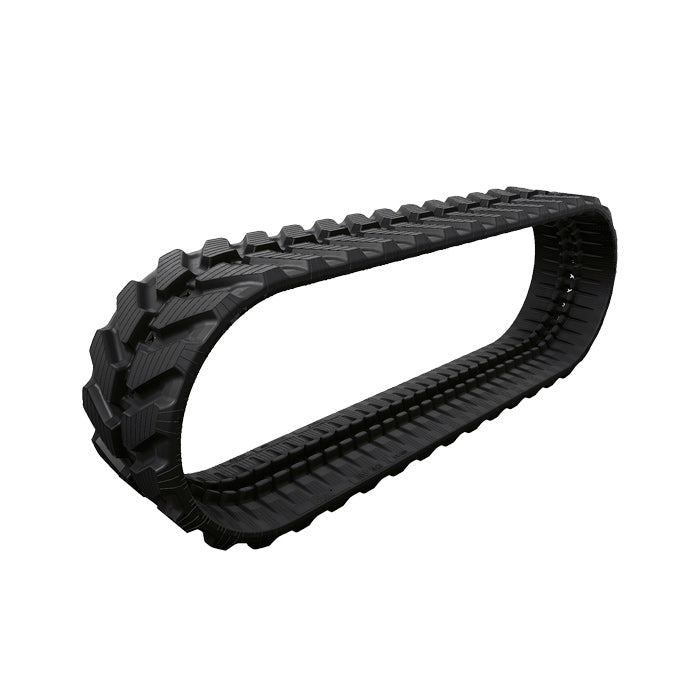
The standard rubber track sizing formula is Width × Pitch × Links, all measured in millimeters, providing the exact specifications needed for perfect replacement fitment on machines like compact track loaders and mini excavators.
Understanding the **Width × Pitch × Links** formula is the foundation of accurate rubber track replacement. This universal code ensures your new tracks match the original specifications, preventing issues like de-tracking or premature wear. Width refers to the track's overall dimension from edge to edge, pitch measures the spacing between drive lugs, and links count the total steel inserts forming the track's length.
For example, a common size like 450x86x55 means 450mm wide, 86mm pitch, and 55 links, fitting models such as Bobcat T300 compact track loaders. Always check the inner surface of your existing track for molded markings first—these are often stamped as WxPxL for quick reference. If worn, manual measurement is essential.
This formula applies across skid steers, mini excavators, and multi-terrain loaders. Precision here directly impacts performance: mismatched sizes lead to sprocket damage or reduced traction. AFT Parts designs all rubber tracks to this exact standard, born from frustrations with unreliable aftermarket options, ensuring 100% fitment accuracy.
How Do You Measure Rubber Track Width Accurately?
Measure rubber track width by using a tape measure or calipers from the outer edge to the outer edge across the track's face, recording in millimeters for precision—typically ranging from 230mm to 500mm depending on machine type.
Accurate width measurement starts with a clean track. Position your machine on level ground and relieve tension to access the track easily. Use a precise tape measure or digital calipers to gauge from the outermost edge of one side to the other, straight across the track's width. Avoid measuring over drive lugs or irregular surfaces; focus on the flat inner measurement between the edges.
Common widths include 300mm for mini excavators and 450mm for compact track loaders. Double-check by measuring multiple points along the track to account for wear. Width affects flotation—wider tracks excel in soft terrain, narrower ones suit hard surfaces.
| Machine Type | Common Widths (mm) | Applications |
|---|---|---|
| Mini Excavator | 230, 300, 400 | Tight spaces, digging |
| Skid Steer/CTL | 320, 400, 450 | Construction, loading |
| Multi-Terrain Loader | 400, 450, 500 | Rough terrain |
AFT Parts recommends verifying width against your machine model to avoid mismatches that cause undercarriage stress.
What Is Track Pitch and How to Measure It with Calipers?
Track pitch is the center-to-center distance between adjacent drive lugs or steel links, measured in millimeters using calipers on the track's inner surface—average across 5-10 lugs for accuracy, common values like 52.5mm, 72mm, or 86mm.
Pitch is critical because it must align perfectly with your sprocket teeth; mismatches grind components and cause failure. Clean the track's inner side thoroughly. Select a digital caliper for precision—set to millimeters, place one jaw in the center of a steel link or drive lug hole, and extend to the next identical point.
Measure at least five consecutive pitches and average them to compensate for wear. For steel-core tracks on skid steers, expect 86mm; mini excavators often use 52.5mm or 72mm. Non-metal core tracks (like some ASV models) measure rubber lug centers similarly.
Pro tip: If pitch varies by more than 1mm, your track may be stretched—replace immediately. This measurement ensures seamless drive engagement, extending undercarriage life.
How Many Links Does Your Rubber Track Have?
Count the total number of steel links or drive lugs by walking around the entire track circumference, tallying each one—typically 50-90 links, determining the track's overall length via pitch × links formula.
Link count defines track length, crucial for fitting your machine's frame without excess sag or tightness. With tension fully released, start at any point and count every metal insert or lug sequentially, going full circle. Use chalk marks to track progress on longer tracks.
For a 450x86x55 track, 55 links yield about 4,730mm circumference (86mm × 55). Mismatched links cause improper tension, accelerating wear. Always count twice for verification.
Machine-specific variations exist: Bobcat T300 uses 55 links at 86mm pitch. Consult your OEM manual or AFT Parts' fitment guides for confirmation.
Why Is Sprocket and Undercarriage Compatibility Critical?
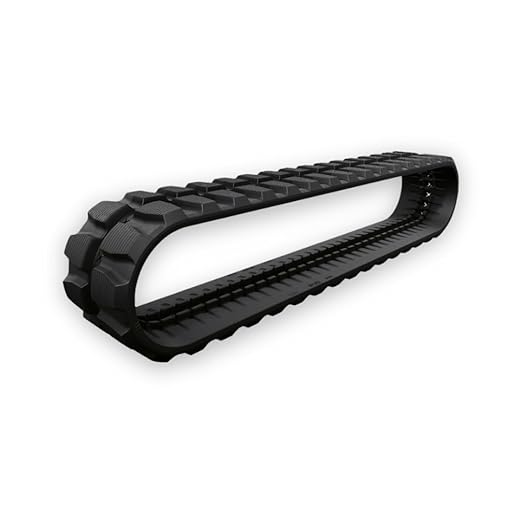
Sprocket and undercarriage compatibility ensures drive lugs mesh perfectly with sprocket teeth and rollers align with link spacing—verify guide rail dimensions (width, height) and roller type to prevent de-tracking and wear.
Beyond basic sizing, compatibility checks save thousands in repairs. Inspect your sprocket tooth profile against the track's pitch and lug design. Measure guide troughs on the track's inner side: width A × width B × height C (e.g., 20x20x20mm).
Undercarriage factors include roller diameter, spacing, and style (standard vs. Takeuchi-style). Steel-core tracks need exact guide matches; mismatches lead to derailment.
| Component | Measurement | Compatibility Check |
|---|---|---|
| Sprocket | Tooth pitch match | Lugs engage fully, no slippage |
| Guide Rails | A×B×C (mm) | Centers track on rollers |
| Rollers | Spacing, diameter | No interference or gaps |
AFT Parts engineers tracks for seamless OEM compatibility, eliminating fitment guesswork.
AFT Parts Expert Views
"At AFT Parts, precision is our promise. Born from industry frustrations with subpar aftermarket tracks, we precision-engineer every rubber track to exact Width × Pitch × Links specs, with custom guide profiles for flawless undercarriage integration. Our customers avoid downtime through verified fitment—many report 30% longer life versus generics. Use our exclusive checklists for models like Bobcat T300; we even offer sizing verification services. Choose AFT for durability that empowers your operations."
— AFT Parts Engineering Lead
What Are Common Measurement Mistakes and How to Avoid Them?
Common mistakes include single-point pitch measurement (causing averages errors), counting partial links, ignoring guide dimensions, and overlooking wear—avoid by averaging multiple measurements, double-counting links, and cross-referencing machine model data.
Avoid de-tracking disasters: Never measure pitch from only one lug; average 5-10. Worn tracks stretch links, inflating counts—measure tensioned and relaxed states. Ignore molded sizes if illegible without verifying physically. Case study: A fleet manager mismeasured pitch on a CTL, buying 84mm instead of 86mm—sprockets shredded in weeks, costing $5,000. Proper caliper use prevented repeats.
Troubleshoot with photos of measurements; upload to AFT Parts for free verification.
How Does Track Tension Affect Measurement and Fitment?
Track tension influences sag (typically 20-40mm under load)—measure sizing on relaxed tracks for accuracy, then set new tension per OEM specs (e.g., 10-15mm sag between frame and track) to optimize fitment and longevity.
Tension too tight accelerates wear; too loose causes de-tracking. Measure sizing with tracks slackened via grease fittings or hydraulic release. Post-install, check sag: lower track to ground, measure gap between frame rail and track center—adjust incrementally.
Proper tension extends life by 20-50%. Factor into total cost of ownership: correct fit saves $2,000+ yearly per machine versus mismatches.
Which Machine-Specific Checklists Ensure Perfect Fit?
Check: Bobcat MT55 ‖ Rubber Tracks ‖ 230x72x39
Use checklists for models like Bobcat T300 (450x86x55, 86mm pitch, 20mm guides), verifying Width × Pitch × Links against OEM charts—download AFT Parts' tailored PDFs for skid steers, CTLs, and mini excavators.
Popular models demand specifics:
- Bobcat T300/T750: 450x86x55, check sprocket gauge.
- Takeuchi TL12: 400x100x52, wide guides.
- Kubota KX040: 400x72x72, verify roller path.
AFT Parts provides downloadable checklists, filling gaps in generic guides for error-free replacements.
Conclusion
Mastering rubber track measurement with Width × Pitch × Links guarantees fitment, slashing downtime and costs. Trust AFT Parts' precision-engineered solutions—visit today for checklists, verification, and tracks built for pros.
FAQs
How do I know if my pitch measurement is accurate?
Average 5-10 consecutive center-to-center lug distances with calipers; variances over 1mm signal wear.
What if my track size isn't molded on?
Manually measure width edge-to-edge, pitch with calipers, count all links fully around.
Can I use a slightly different link count?
No—mismatches alter tension and circumference, risking damage; stick to exact specs.
What's the cost impact of wrong sizing?
Up to $5,000 in repairs from de-tracking or wear; proper fit via AFT Parts saves significantly.
Do all machines use the same pitch?
No—CTLs often 86mm, mini excavators 52.5-96mm; verify per model.
Related articles
 Recurring Undercarriage Failures Across a Fleet: Compare Rates Before Blaming a Part
Knowledge
Recurring Undercarriage Failures Across a Fleet: Compare Rates Before Blaming a Part
Knowledge
 Heavy-Parts Delivery Inspection: A Record to Make Before the Packaging Disappears
Knowledge
Heavy-Parts Delivery Inspection: A Record to Make Before the Packaging Disappears
Knowledge
 Blind-Hole Depth and Bolt Length: Checking for Bottoming
Knowledge
Can a Torque Wrench Extension Change the Applied Torque?
Knowledge
Blind-Hole Depth and Bolt Length: Checking for Bottoming
Knowledge
Can a Torque Wrench Extension Change the Applied Torque?
Knowledge