

To measure rubber tracks for mini excavators and skid steers, use the Width × Pitch × Links formula: measure width edge-to-edge in mm, pitch as distance between link centers using calipers in mm, and count total links around the track. Example: 230 x 96 x 31. Always verify against machine model for perfect fit.
Check: Takeuchi TL150, TL250, TL12, TL12V2 ‖ Rubber Tracks ‖ 450x100Tx50
What Is the Rubber Track Size Formula for Mini Excavators?
The standard rubber track size formula is Width × Pitch × Links, expressed in millimeters for width and pitch, with links as a count. This three-part code ensures precise fit for mini excavators and skid steers, preventing undercarriage damage and downtime.
Understanding the Width × Pitch × Links formula is essential for anyone replacing rubber tracks on mini excavators or skid steers. Width determines the track's breadth for stability and flotation, pitch matches the spacing to sprockets for smooth operation, and links set the overall length to fit the undercarriage perfectly. This universal sizing system, used across brands like Caterpillar, Komatsu, and Kubota, allows equipment operators to confidently order aftermarket replacements. Accurate measurements minimize risks like slippage, accelerated wear, or derailment, which can lead to costly repairs. For Canadian operators in provinces like Alberta and Ontario, where varied terrains demand reliable tracks, mastering this formula translates to longer equipment life and lower costs.
| Machine Model | Common Width (mm) | Pitch (mm) | Links | Typical Application |
|---|---|---|---|---|
| Bobcat E55 | 400-450 | 86 | 50-55 | Construction, tight spaces |
| Kubota U27-4 | 400 | 72 | 45-48 | Landscaping, mud |
| CAT 302.7 | 230-300 | 96 | 31-35 | Urban demo |
This quick-reference table covers popular models, helping you cross-check measurements against known specs before purchase.
How Do You Measure Rubber Track Width Accurately?
Check: Case CX36, CX36B, CX36BMC, CX36BMR ‖ Rubber Tracks ‖ 300x52.5Nx88
Measure rubber track width from outer edge to outer edge across the track's top surface using a tape measure in millimeters. Avoid measuring between inner links; record the full width for exact replacement matching.
Accurate width measurement starts with the machine on level ground and tracks unloaded. Park safely, engage the safety lock, and use a flexible tape measure stretched taut across the track's widest point, typically the top. Note the reading in millimeters—common sizes range from 230mm for compact models to 450mm for wider flotation needs. For skid steers, double-check both tracks as minor manufacturing variances can occur. In rocky Alberta sites or clay-heavy Ontario soils, selecting the right width improves traction and reduces ground pressure. If tracks are worn, measure multiple spots and average for precision. This step ensures compatibility with your undercarriage, including rollers and idlers from trusted suppliers like AFT Parts.
What Tools Are Needed to Measure Rubber Track Pitch?
Use digital or vernier calipers to measure pitch: the distance from the center of one drive lug to the center of the next, in millimeters. Average 5-10 measurements around the track for reliability.
Pitch is the most critical dimension, as mismatches destroy sprockets within weeks. Essential tools include precision calipers (0-150mm range recommended) and a stable work surface. Lift the track off the ground if possible, clean debris from lugs, and insert caliper points into the centers of adjacent metal links or drive lugs. Measure straight across—do not angle. Common pitches are 72mm, 86mm, or 96mm; record precisely. For mini excavators, worn pitches can elongate slightly, so measure undamaged sections. AFT Parts emphasizes pitch accuracy in their precision-engineered undercarriage components, ensuring seamless integration.
How Many Links Does My Mini Excavator Track Have?
Count every drive lug or metal link fully around the track's circumference, starting from a reference point and verifying twice. The total links determine track length; typical counts range from 30-60 for mini models.
Link count defines track circumference, directly affecting tension and fit. With the track accessible, begin at any lug, count sequentially around the entire loop, and confirm by recounting in reverse. Use chalk or tape for marking on long tracks. Worn tracks may have stretched links, adding 1-2; opt for the original count from manuals. For skid steers, ensure even counts on both sides. Proper link count prevents over-tensioning, which accelerates roller wear—pair with AFT Parts' compatible sprockets and rollers for optimal performance.
What If My Rubber Track Markings Are Worn or Missing?
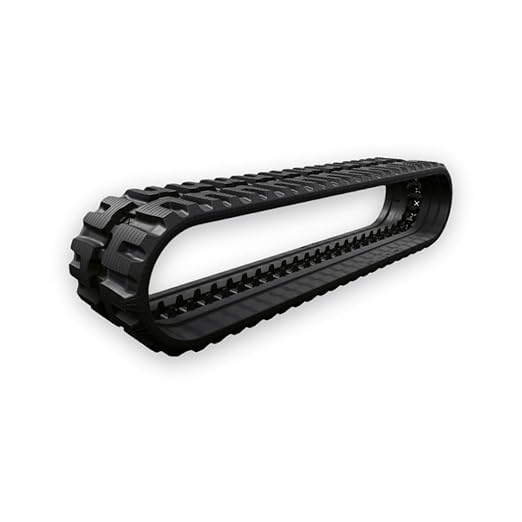
If markings are illegible, physically measure Width × Pitch × Links using calipers and tape. Cross-reference with machine model via operator's manual or online databases; contact manufacturer for confirmation.
Worn or missing stamps are common on used equipment, especially in high-abrasion Canadian job sites. First, inspect the inner track surface near links for faded codes. Absent that, perform full measurements as outlined. Identify your machine model from the serial plate, then consult spec sheets—Bobcat E55 often uses 450x86x55. For troubleshooting, check undercarriage for matching sprocket pitch. This fallback ensures 100% fit, avoiding expensive errors. AFT Parts supports professionals with precision replacements tailored to these scenarios.
AFT Parts Expert ViewsAt AFT Parts, our team of undercarriage specialists knows that accurate measurement is the foundation of equipment reliability. Born from industry frustration with unreliable aftermarket options, we engineer track rollers, carrier rollers, idlers, and sprockets for perfect compatibility with major brands. Measure precisely to protect your investment—our precision parts extend undercarriage life, reduce downtime, and deliver durability across Canada's demanding terrains. Trust AFT for components that match every Width × Pitch × Links spec, empowering contractors to work harder, longer.
Which Track Sizes Fit Popular Models Like Bobcat E55?
Popular models like Bobcat E55 use 400-450mm width, 86mm pitch, 50-55 links; Kubota U27-4: 400mm x 72mm x 45-48; CAT 302.7: 230-300mm x 96mm x 31-35. Verify with manual for variants.
Model-specific sizing eliminates guesswork. The Bobcat E55 excels with 450x86x55 for standard construction, while narrow 400mm suits tight access. Kubota U27-4 prefers 400x72x47 for versatile landscaping. CAT minis like 302.7 run 230x96x31 compact setups. Consider tread: lugged for mud, smooth for pavement. Canadian operators in British Columbia's forests or Quebec's infrastructure projects benefit from wide options for flotation.
| Model | Width Options (mm) | Pitch (mm) | Links Range | Tread Recommendation |
|---|---|---|---|---|
| Bobcat E55 | 400, 450, 500 | 86 | 50-55 | Lugged for gravel |
| Kubota U27-4 | 400, 450 | 72 | 45-48 | Combination for clay |
| CAT 303.5 | 300, 400 | 74 | 42-46 | Smooth for urban |
Why Does Pitch Mismatch Damage Sprockets and Rollers?
Pitch mismatch causes grinding between lugs and sprocket teeth, accelerating wear, heat buildup, and component failure. Even 1-2mm differences destroy sprockets and tracks in weeks, leading to derailments.
Pitch precision aligns drive lugs with sprocket teeth for power transfer without slippage. A smaller pitch track slips and shreds; larger pitch binds and snaps. This damages not just tracks but sprockets, rollers, and idlers—cascading to full undercarriage rebuilds costing thousands. In Saskatchewan mining or Manitoba forestry, mismatches amplify under harsh loads. Pair correct tracks with AFT Parts' engineered sprockets for seamless longevity.
How Does Track Tension Affect Mini Excavator Performance?
Proper tension (per manual, often 1-2 inches sag under roller) ensures traction without excessive wear. Too loose causes derailment; too tight speeds component failure. Check weekly and adjust grease fittings.
Tension balances grip and longevity. Lift the machine, measure sag between top roller and track—adjust via grease gun. Over-tensioned tracks overheat rubber; loose ones de-track on turns. Post-install, recheck after 10 hours. In Nova Scotia's wet conditions, maintain to prevent slips. Accurate tension complements precise sizing for peak efficiency.
Conclusion
Mastering rubber track measurement with Width × Pitch × Links guarantees fit, protects your undercarriage, and minimizes downtime. For precision-engineered tracks, sprockets, rollers, and idlers compatible with your mini excavator or skid steer, visit AFT Parts today—your trusted partner for heavy machinery excellence across Canada.
FAQs
What if my mini excavator tracks have no markings? Measure manually and cross-check with your machine's serial number and manual for exact specs.
Best track width for Alberta gravel sites? Opt for 450mm wide with lugged tread for superior flotation and debris shedding.
Are aftermarket tracks as good as OEM? Yes, especially precision ones like those from AFT Parts, offering comparable durability at lower cost.
How often should I replace rubber tracks? Every 700-1,500 hours, based on wear like reduced tread or cracks.
Does track type affect Ontario clay performance? Combination treads excel, providing grip without excessive buildup.