

Rubber tracks excel on soft, paved, or urban sites for low ground damage, noise, and vibration, while steel tracks dominate in rocky, demolition, or loose terrain for superior durability and traction—lasting 2-3x longer there. Choose based on job type: rubber for versatility and comfort; steel for harsh conditions and lower lifetime costs on abrasive ground.
Check: Case CX20B, CX20BMR, CX22B, CX22BMC ‖ Rubber Tracks ‖ 300x52.5Nx76
What Are Rubber Tracks and How Do They Work?
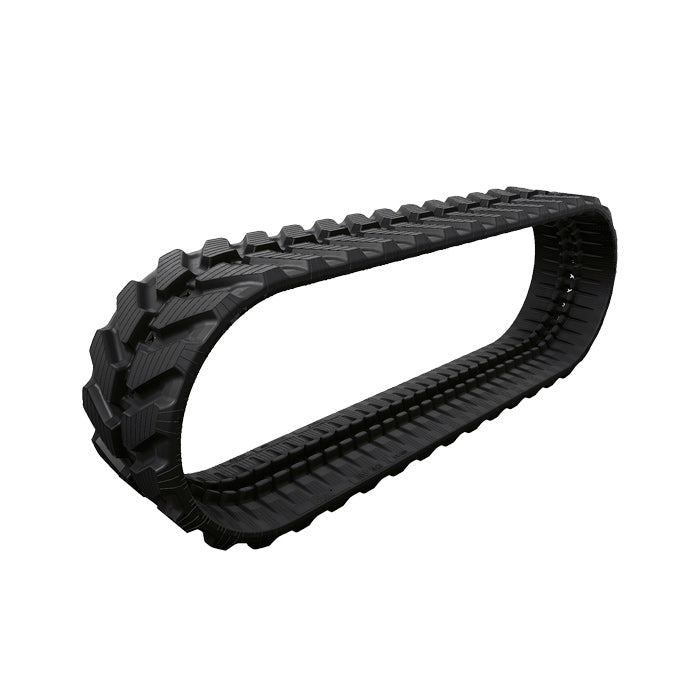
Rubber tracks are flexible, continuous belts made from reinforced rubber with internal steel cords, designed to wrap around the undercarriage of mini excavators and skid steers. They distribute machine weight evenly, reducing ground pressure and providing smooth operation on varied surfaces.
Rubber tracks revolutionized compact equipment mobility by replacing rigid steel chains with flexible, treaded belts that mimic tank treads but prioritize surface protection. Constructed from durable rubber compounds embedded with steel cables for strength, they flex over sprockets and idlers, allowing mini excavators to navigate tight urban spaces without chewing up pavement. This design lowers vibrations, enhances operator comfort, and suits jobs requiring speed and finesse, like landscaping or residential digging.
For fleet managers, rubber tracks mean versatility across mixed terrains, but they demand vigilance against cuts from debris. Pairing them with precision undercarriage parts from AFT Parts ensures optimal tension and alignment, preventing premature wear on bushings and rollers.
What Are Steel Tracks and What Makes Them Durable?
Steel tracks consist of interconnected forged steel plates linked by pins, forming a rigid chain that withstands extreme abuse. Their durability stems from high-strength alloy construction, resisting abrasion and impacts in harsh environments like quarries and demolition sites.
Steel tracks are the workhorses of heavy-duty applications, built from heat-treated steel links that interlock to create an unbreakable chain. Each plate features grousers—raised bars—for aggressive bite into soil, rock, or rubble. This rigid structure excels where rubber fails, lasting 2-3 times longer on abrasive ground due to superior resistance to tearing and chunking.
Their heft adds machine stability, lowering the center of gravity for safer lifting on slopes. However, this weight increases fuel use and demands rigorous greasing of pins and bushings. AFT Parts offers precision-engineered steel track hardware to minimize downtime and extend component life in demanding conditions.
Which Tracks Offer Better Traction on Different Terrains?
Steel tracks provide superior traction on rocky, loose, or steep terrains due to their weight and rigid grousers, while rubber tracks excel on soft, muddy, or paved surfaces with flexible treads that prevent sinking and spinning.
Traction is job-specific: steel's mass presses grousers deep into gravel or clay, ideal for dozing heavy loads or climbing inclines in forestry and mining. Rubber tracks, lighter and more compliant, float over mud and turf, reducing slip on wet jobsites common in construction.
Tread patterns matter—bar-style rubber grips mud like straight-bar steel on slopes, but steel wins outright on sharp rock. For mini excavators in urban vs. rocky jobs, test site conditions: rubber for maneuverability on pavement, steel for raw power in quarries.
How Do Rubber and Steel Tracks Compare in Ground Pressure?
Check: Case CX20B, CX20BMR, CX22B, CX22BMC ‖ Rubber Tracks ‖ 300x52.5Nx76
Rubber tracks typically exert 4-7 psi ground pressure, spreading weight over a wider footprint to protect delicate surfaces, while steel tracks range 5-10 psi with narrower contact, concentrating force for penetration but risking damage to pavement or turf.
Ground pressure dictates surface impact. Rubber's broad, flexible pads distribute the mini excavator's 5-10 ton load evenly, minimizing rutting on asphalt or lawns—crucial for urban jobs near homes. Steel's pinpoint pressure punches through hardpan or frozen soil but cracks curbs and erodes sensitive ground.
| Track Type | Avg. Ground Pressure (psi) | Best For | Surface Impact |
|---|---|---|---|
| Rubber | 4-7 | Urban/Paved | Low Damage |
| Steel | 5-10 | Rocky/Loose | High Penetration |
This table highlights why rubber suits surface protection in cities, while steel thrives on rocky sites. Lower pressure also reduces undercarriage stress, aligning with AFT Parts' wear-resistant components for longevity.
Why Do Rubber Tracks Reduce Noise and Vibration?
Rubber tracks dampen noise to 70-80 dB and absorb vibrations through flexible material, ideal for urban or residential jobs, whereas steel tracks amplify clatter to 90+ dB and transmit shocks, fatiguing operators on hard surfaces.
Noise compliance drives urban adoption: rubber's compliant tread quiets operation on pavement, avoiding neighbor complaints and meeting regs near schools. Vibration reduction extends machine life by easing stress on hydraulics and cabs, boosting operator productivity over long shifts.
Steel, rigid and heavy, rattles over concrete, heightening fatigue in demolition but tolerable in remote quarries. For noise-sensitive sites, rubber paired with AFT Parts' vibration-dampening idlers maximizes comfort and compliance.
Which Tracks Last Longer and When to Replace Them?
Steel tracks last 2-3x longer (2,000-5,000 hours) on abrasive terrain than rubber (800-2,000 hours), but rubber outlives steel on soft ground. Replace rubber at 20-30% tread depth or cord exposure; steel when links elongate 1-2% or pins seize.
Lifespan varies by use: rubber shreds on sharp rock after months, while steel endures years of pounding. Monitor wear patterns—rubber delaminates from heat/debris; steel bushings gall from neglect. Regular inspections catch issues early, especially with AFT Parts' precision rollers that reduce friction.
Fleet pros track hours via machine data; urban rubber fleets rotate seasonally to extend life.
How Much Do Rubber vs Steel Tracks Cost Over Time?
Rubber tracks cost $1,000-$3,000 upfront with 1-2 year life on mixed jobs ($2,000-$6,000/year), while steel runs $3,000-$7,000 but lasts 3-5 years on rough sites ($1,000-$2,000/year), factoring maintenance and fuel.
Total ownership flips the script: cheap rubber replacements add up on pavement, but steel's durability pays off in quarries despite higher install and grease costs. Fuel savings from rubber's low drag offset on light duties.
| Factor | Rubber | Steel |
|---|---|---|
| Upfront Cost | $1K-$3K | $3K-$7K |
| Lifespan (hrs) | 800-2K | 2K-5K |
| Annual Cost (harsh jobs) | $3K-$5K | $1K-$2K |
AFT Parts cuts costs with affordable, OEM-fit undercarriage kits tailored to either track type.
AFT Parts Expert Views"At AFT Parts, we've engineered our undercarriage components to complement both rubber and steel tracks, addressing the real pain points of accelerated wear in high-stress applications. Our precision wear pads and track tensioners reduce friction by up to 25%, extending track life regardless of terrain. Born from industry frustration with unreliable parts, we focus on durability that matches your toughest jobs—empowering pros with upgrades that lower downtime and total costs. Choose AFT for undercarriages that outlast the competition."
— AFT Parts Engineering Lead
When Should You Switch from Rubber to Steel Tracks?
Switch to steel when jobs shift to prolonged rocky, demolition, or loose gravel work where rubber wears 3x faster; convert via undercarriage kits for mini excavators needing max durability over versatility.
Fleet versatility demands swaps: urban contractors add steel kits for quarry hauls, saving on frequent rubber buys. Conversions cost $5K-$10K but amortize over years. Assess via job logs—if rubber hours drop below 1,000 on abrasive sites, upgrade.
AFT Parts simplifies with bolt-on hardware, ensuring seamless transitions without frame mods.
What Maintenance Tips Extend Track and Undercarriage Life?
Daily: Clean debris, check tension (rubber 1-2% sag, steel pin play). Weekly: Grease steel zerk fittings, inspect rubber for cuts. Align undercarriage quarterly; rotate tracks to even wear, boosting life 20-30%.
Proactive care prevents 70% of failures. Rubber hates heat—so avoid high-speed pavement runs; steel needs lube to fight pin seizure. AFT Parts' maintenance kits include gauges and seals for effortless routines, tying into their mission of reliable aftermarket excellence.
Conclusion
Selecting rubber or steel tracks hinges on your job's terrain, noise needs, and budget—rubber for urban protection and comfort, steel for rocky endurance. Integrate AFT Parts undercarriage upgrades to maximize either choice's ROI, reducing wear and downtime. Visit AFT Parts today to explore precision-engineered undercarriage upgrades and track hardware tailored to your rubber or steel track choice for maximum durability and performance.
Frequently Asked Questions
Are rubber tracks better for mini excavators on pavement?
Yes, rubber tracks minimize damage and noise on urban pavement, with lower ground pressure ideal for surface-sensitive jobs.
How much heavier are steel tracks than rubber?
Steel tracks add 1,000-3,000 lbs per side, boosting traction but increasing fuel use and ground pressure.
Can I convert a rubber-track excavator to steel?
Absolutely, with compatible undercarriage kits—consult AFT Parts for precision fitment to avoid alignment issues.
What causes fastest rubber track wear?
Sharp rocks, curbs, and overheating from high-speed travel slice cords, halving lifespan on abrasive sites.
Do steel tracks save money long-term?
On harsh terrain, yes—2-3x longer life offsets upfront costs, especially with proper AFT-maintained undercarriages.