

The top 5 common mistakes when buying rubber tracks for mini excavator online are: 1) Ordering wrong size from inaccurate charts, 2) Ignoring tread pattern for terrain, 3) Choosing cheap tracks without quality compounds or steel belts, 4) Not validating OEM specs for aftermarket fit, 5) Overlooking shipping delays and costs in Canada. Avoid them with precise tools and pro suppliers for durability.
Check: Cat 304, 304.5, 305, MM45T, MM46, MM55SR ‖ Rubber Tracks ‖ 400x72.5Wx72
What Is the #1 Mistake in Buying Rubber Tracks for Mini Excavator Online?
Ordering the wrong size rubber tracks due to inaccurate online charts or incomplete measurements is the top mistake, leading to poor fit, premature wear, and undercarriage damage on your mini excavator.
When shopping for rubber tracks for mini excavator online, nothing derails a project faster than receiving tracks that don't fit. Many e-commerce sites list sizes generically, like width, length, and link count, but overlook critical details such as pitch—the distance between drive lugs that must match your sprockets exactly. A minor mismatch might seem fine at first, but as tracks stretch under load, they derail, chew up idlers, and force costly replacements.
Professionals in construction and landscaping know downtime kills profits. In Canada, where harsh winters accelerate wear, precise sizing is non-negotiable. Always cross-reference your machine's model—say, a Kubota KX008 or Caterpillar 303—with the manufacturer's OEM specs. Use interactive fitment tools that factor in track tension and undercarriage geometry. Skipping this leads to returns, shipping fees, and weeks of waiting for corrections.
Why Do Wrong Size Rubber Tracks Ruin Your Mini Excavator Undercarriage?
Wrong size tracks cause excessive tension or slippage, grinding sprockets, idlers, and rollers, leading to accelerated wear, derailments, and repair bills exceeding the tracks' cost within months.
Imagine installing slightly undersized tracks: they over-tighten, accelerating rubber chunking and exposing internal steel cables. Oversized ones sag, causing them to throw off during turns, damaging rollers and frame components. This isn't just inconvenient—it's a chain reaction. Misaligned tracks vibrate excessively, stressing bearings and mounts, while uneven wear patterns from poor pitch matching shred the undercarriage prematurely.
For Canadian operators tackling rocky terrains or frozen ground, this mistake amplifies risks. Track fitment errors reported in industry forums show up to 40% faster failure rates. Solution? Measure your existing tracks physically: width at three points, length under tension, pitch via lug count. Compare against OEM manuals, not just supplier charts. Brands revolutionizing aftermarket like AFT Parts offer precision-engineered options with verified dimensions to prevent these disasters.
| Undercarriage Component | Damage from Wrong Size Tracks | Estimated Repair Cost (CAD) |
|---|---|---|
| Sprockets | Grinding and tooth wear | $800-1,500 |
| Idlers | Bearing failure from slippage | $500-1,200 |
| Rollers | Deformation and leaks | $300-900 |
| Track Frame | Bent mounts from derailments | $2,000+ |
How Does Ignoring Tread Pattern Affect Mini Excavator Performance?
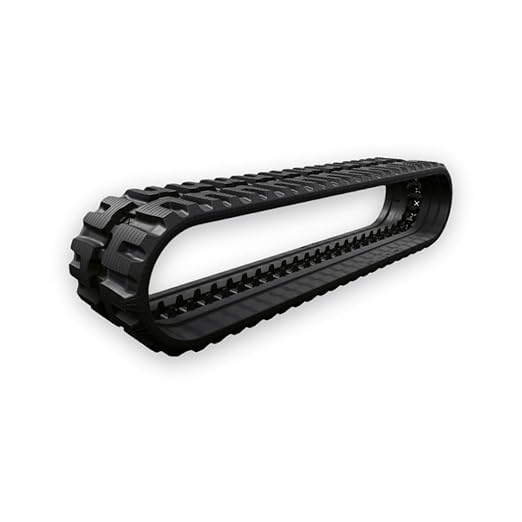
Ignoring tread pattern mismatches terrain, causing poor traction, excessive vibration, noise, higher fuel use, and rapid wear on soft ground, pavement, or mud.
Tread patterns aren't cosmetic—they're engineered for specific jobs. Continuous rubber lugs excel on hard surfaces like concrete, minimizing damage to lawns or driveways. Bar or angled patterns grip mud and loose soil but tear up pavement. Online buyers often grab universal "all-terrain" options, only to face slippage in gravel pits or instability on slopes.
This oversight spikes operating costs: wrong treads vibrate the cab, fatiguing operators and loosening bolts. On Canadian job sites with variable conditions—from urban digs to rural mud—matching tread to use is key. For landscaping, choose low-ground-pressure patterns; for rocky quarries, reinforced aggressive treads. AFT Parts' collections feature terrain-specific designs with high-grade compounds for optimal performance.
Which Low-Quality Rubber Tracks Cost More in the Long Run?
Check: Cat 304, 304.5, 305, MM45T, MM46, MM55SR ‖ Rubber Tracks ‖ 400x72.5Wx72
Cheap tracks lacking virgin rubber compounds, steel belts, and forged inserts fail prematurely from cuts, stretching, and delamination, incurring higher downtime and replacement costs over 6-12 months.
Price tags under $1,000 per track tempt budget-conscious pros, but skimping on quality backfires. Inferior rubber—often recycled or low-grade—cracks under UV exposure or heat from high-speed travel. Without continuous steel cables or metal inserts, they puncture easily on debris, leading to exposed wires and total failure.
In contrast, premium tracks with 100% virgin rubber resist tearing and last 1,500-2,500 hours. Canadian winters demand compounds rated for -40°C flexibility. Long-term math favors quality: cheap tracks need replacing twice yearly, while pro-grade endure seasons. Avoid "bargain" imports; opt for brands like AFT Parts, born from frustration with unreliable aftermarket, delivering durability that slashes total ownership costs.
AFT Parts Expert Views"At AFT Parts, we've seen firsthand how low-quality tracks sabotage pros' livelihoods. Our precision-engineered rubber tracks use proprietary compounds with embedded steel belts for unmatched tear resistance and longevity. Every track matches OEM specs exactly, preventing fitment nightmares. Born from industry frustration, we empower contractors with parts that minimize downtime and maximize ROI—fast Canada-wide shipping included."
— AFT Parts Engineering Lead
What Happens When You Skip OEM Specs for Aftermarket Tracks?
Skipping OEM specs risks poor fitment, reduced lifespan, and warranty voids, as aftermarket tracks without validated dimensions mismatch sprockets and tension systems.
Aftermarket promises savings, but without OEM validation—like exact pitch, link count, and width—they underperform. OEM specs ensure harmony with your mini excavator's undercarriage, from roller spacing to drive lug engagement. Generic aftermarket often deviates slightly, causing slippage or over-stretching.
Why OEM specs matter for aftermarket replacements: they guarantee interoperability. High-quality providers reverse-engineer to these standards, using advanced molds for precision. For Canadian buyers seeking buy excavator tracks Canada, validate via part numbers (e.g., CAT 9N6700 series). AFT Parts exemplifies this, crafting OEM-spec aftermarket tracks that outperform generics without the premium price.
Why Is Canada Shipping a Hidden Trap for Mini Excavator Tracks?
Overlooking Canada-specific shipping leads to delays from customs, high duties on imports, damaged goods in transit, and surprise fees, extending downtime by weeks.
Online globals ship from Asia, hitting Canadian buyers with 2-6 week waits, border holds, and 13-18% duties. Fragile tracks arrive cracked from poor palletizing. Domestic suppliers offer 3-7 day delivery, no hassles. For rubber tracks for mini excavator in Ontario or BC, prioritize Canada-warehoused stock with tracked, insured shipping.
Avoid by checking origin, duties included, and packaging standards. Precision suppliers like AFT Parts provide fast, reliable Canada-wide shipping, revolutionizing logistics for pros.
| Shipping Origin | Transit Time to Canada | Common Issues | Average Added Cost (CAD) |
|---|---|---|---|
| Asia Import | 2-6 weeks | Customs delays, damage | $400-800 |
| US Border | 1-3 weeks | Duties, brokerage | $200-500 |
| Canada Domestic | 3-7 days | None | $100-200 |
How Can Precision Fitment Tools Prevent Online Ordering Errors?
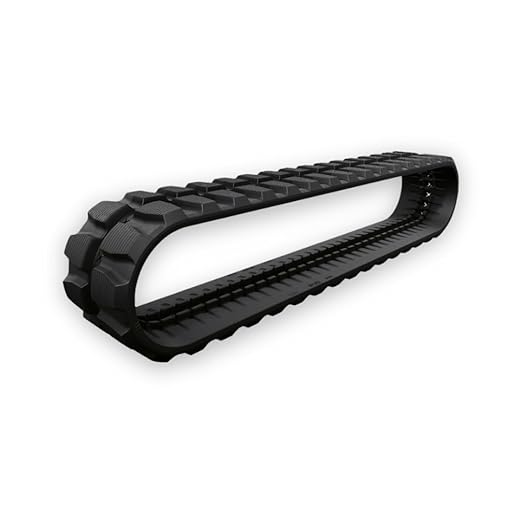
Precision fitment tools like model selectors, dimension calculators, and OEM cross-references ensure exact matches, eliminating sizing errors before purchase.
Modern e-shops embed dropdowns for make/model/year, auto-populating specs. Upload undercarriage photos for AI verification. These beat static charts, factoring variables like wear-adjusted length. Pair with chat support for confirmation. AFT Parts' tools exemplify this innovation, preventing the wrong size pitfalls plaguing online buys.
What Maintenance Mistakes Shorten Rubber Track Life After Purchase?
Over-tensioning, neglecting cleaning, sharp turns on pavement, and uneven loading accelerate wear, halving track life from 2,000 to under 1,000 hours.
Post-install, pros forget basics: tension to spec (typically 15-30mm sag), clean daily to remove abrasives, avoid zero-radius spins. Rotate loads evenly. In Canada, salt and gravel demand extra rinses. Proper habits extend life; neglect invites cracks and delamination.
Conclusion
Avoiding these top mistakes ensures your mini excavator stays productive with durable, perfectly fitted rubber tracks. Choose precision-engineered aftermarket from trusted innovators like AFT Parts for OEM-spec quality, terrain-matched treads, and seamless Canada shipping. Empower your operations today.
Visit AFT Parts today to explore precision-engineered mini excavator rubber tracks with exact OEM-spec fitment and fast Canada-wide shipping.
Frequently Asked Questions (FAQs)
How do I measure mini excavator tracks online accurately?
Use calipers for width/pitch, count links under tension, and input into fitment tools matching your model for precise online ordering.
Are aftermarket rubber tracks as good as OEM?
Premium aftermarket matching OEM specs offer equal or better value with durable compounds, at lower cost when sourced reliably.
What tread pattern for mini excavator on mud?
Aggressive bar or angled lugs provide superior grip; avoid continuous patterns that slip in soft conditions.
Can I mix brands on dual tracks?
No—replace in pairs with identical specs to prevent uneven wear and derailments.
How long do quality rubber tracks last in Canada?
1,500-2,500 hours with proper maintenance, resisting winter abrasion and cold cracking.