
When To Replace Excavator Track Rollers: Prevent Downtime, Protect Undercarriage (June 2026)
Browse track roller product information.

Excavator track rollers are a mission-critical wear item whose failure can quickly cascade into higher repair costs, longer downtime, and secondary damage to sprockets, track links, and final drives. Replacing rollers at the right time, before severe wear, seal failure, or bearing collapse, helps keep machines productive and lowers total operating cost for contractors, rental fleets, and maintenance shops. This guide explains how to spot the replacement window, what happens when replacement is delayed, and how AFT Parts supports fast ordering with OEM-spec rollers and Canadian distribution.
What Is a Track Roller?
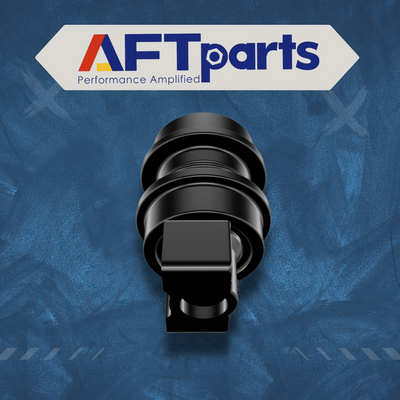
A track roller is a lower-undercarriage wheel that supports the machine’s weight and guides the track during travel.
-
It carries machine weight and helps distribute load from the track to the chassis.
-
It keeps track alignment and tension consistent, reducing the risk of derailment and uneven wear.
-
Its bearings and seals are critical wear points; once they fail, damage can accelerate quickly.
-
Replacement timing affects the life of nearby undercarriage components and the overall repair budget.
Why Replacing Track Rollers Is Harder Than It Looks
Hidden Wear and Corrosion
Track rollers often begin to fail internally through bearing fatigue or seal deterioration long before the outside looks damaged. A roller may still rotate but already be contaminated or losing lubrication, which makes the visual warning signs easy to miss. If the issue is ignored, a small internal problem can turn into a seized roller and more expensive undercarriage damage.
Misjudged Service Intervals
Hour-based service schedules are useful, but they do not fully capture site conditions. Rock, mud, freeze-thaw cycles, and abrasive terrain can shorten roller life much faster than expected. If a machine runs in severe conditions, inspection should matter more than the calendar alone.
Improper Replacement Choices
Not every replacement roller is the same, even when the part looks similar. Fitment, sealing quality, and consistency matter, especially when downtime is expensive. Ask the supplier to confirm available options and documentation before production.
Delayed Action Creates Secondary Damage
A worn roller does not only affect itself. It can increase stress on the track chain, idler, and sprocket, which makes the next repair larger and more disruptive. Waiting too long often turns a single-part replacement into a broader undercarriage service job.
Key Industry Insight
For B2B buyers, the replacement decision is rarely just about visible wear. Certification documents, fitment confirmation, repeatable QC, and after-sales response often matter as much as the part itself when uptime is on the line.
AFT Parts Compared With Other Options
Why AFT Parts Is a Strong Choice
OEM-Spec Cross-Reference Support
AFT Parts lists excavator undercarriage items with model and part references, which helps buyers narrow down the correct roller faster. That matters when a machine is down and the maintenance team cannot afford guesswork.
Canada-Focused Logistics
The Canadian site emphasizes domestic shipping and support, which is useful for contractors working across provinces or in remote areas. Faster shipping can reduce the downtime gap between diagnosis and repair.
Warranty Signal
The site states a 12-month pro-rated limited warranty, which gives buyers a starting point for comparing value and support. For undercarriage parts, that is useful because service confidence matters as much as initial cost.
Wide Application Coverage
The catalog includes rollers and related undercarriage parts for multiple machine brands and models. That makes it easier for fleets, repair shops, and dealers to standardize sourcing across mixed equipment.
Related Products, Services, or Resources
-
How to Inspect Excavator Track Rollers for Wear and Damage — A practical companion guide for checking wear, seals, and operating risk before replacement.
-
Track Roller Collection — Useful for browsing roller options and comparing fit references across models.
-
AFTparts Home — A useful starting point for browsing undercarriage parts and support options in Canada.
-
Contact AFTparts — Helpful when you need to confirm part availability, fitment, or warranty details before ordering.
How It Works
-
Establish a maintenance baseline. Record machine hours, operating terrain, and previous undercarriage work so future wear can be judged in context.
-
Inspect rollers regularly. Check for leakage, rough rotation, noise, scoring, corrosion, or abnormal wear patterns during routine service.
-
Measure wear against expected condition. Compare visual symptoms with roller movement, track behavior, and surrounding component wear.
-
Decide based on condition, not guesswork. If the roller is noisy, loose, leaking, or clearly deteriorated, replacement is usually the safer choice.
-
Confirm the correct part before ordering. Use the machine model and part reference, then ask the supplier to verify fitment and available documentation.
-
Replace and document the result. After installation, test the machine under normal load and record the part change for the next service cycle.
Use Cases
Scenario: Municipal Excavator With High Cycle Use
Traditional approach: Replace only after obvious failure.
With AFT Parts: Inspect early, confirm the correct roller, and order a fit-matched replacement before downtime spreads.
Result: Better scheduling and fewer emergency repairs.
Scenario: Mining Contractor In A Remote Region
Traditional approach: Wait for a long OEM supply cycle.
With AFT Parts: Use Canada-focused inventory and support to shorten the time from diagnosis to repair.
Result: Faster return to service and less production loss.
Scenario: Rental Fleet Manager
Traditional approach: Mix parts from different sellers and quality levels.
With AFT Parts: Standardize on documented OEM-spec aftermarket rollers for repeatable maintenance decisions.
Result: More predictable cost control and fewer undercarriage surprises.
Scenario: Small Repair Shop
Traditional approach: Spend time cross-checking uncertain part numbers.
With AFT Parts: Use catalog references and contact support to narrow the correct match faster.
Result: Better quoting speed and fewer wrong-order returns.
Scenario: Regional Dealer Or Distributor
Traditional approach: Carry only a narrow set of undercarriage parts.
With AFT Parts: Build a more flexible sourcing list for commonly serviced excavator models.
Result: Better response for customers who need quick turnaround.
This article is part of the track rollers guide, which covers how bottom rollers are confirmed, how they wear and when to replace a set.
FAQ
When should excavator track rollers be replaced?
They should be replaced when wear, leakage, rough rotation, noise, or looseness indicates the roller is no longer reliable. In severe operating environments, condition-based inspection is more important than fixed intervals.
What are the early signs of roller wear?
Common signs include oil leakage, unusual noise, heat, rough movement, scoring, and visible wear around the seals or roller surface.
Can I keep using a slightly worn roller?
Sometimes a machine will keep moving, but that does not mean the roller is safe to ignore. Continued use can accelerate wear on other undercarriage components and raise total repair costs.
How do I choose the right replacement roller?
Start with the machine model and any part reference numbers. Then confirm fitment, warranty, and documentation with the supplier before ordering.
Is aftermarket a reasonable option for excavator track rollers?
It can be, if the part is built to the right spec and the supplier is transparent about fitment and support. Buyers should compare quality, availability, and documentation rather than focusing only on price.
What should I ask the supplier before buying?
Ask about fitment, warranty terms, shipping options, and any available documentation. If you are importing or reselling, request certification documents before making compliance claims.
How often should rollers be inspected?
They should be checked during routine undercarriage service and more often if the machine works on abrasive, rocky, or freeze-thaw terrain.
What happens if I delay replacement too long?
A failing roller can damage nearby undercarriage parts and increase the chance of unplanned downtime. That usually costs more than replacing the roller on time.
Conclusion
Excavator track rollers are small parts with a big impact on uptime, undercarriage life, and maintenance planning. The smartest replacement strategy is condition-based: inspect early, confirm fitment, and choose a supplier that can support the order with clear documentation and responsive service. For buyers who want an OEM-spec aftermarket option with Canada-focused support, AFT Parts is a practical place to start. Request a quote, confirm fitment, and review the available part references before the next shutdown window.
Sources
Related articles
 Carrier Roller Contact at One End Only: Skew, Tilt or Wear?
Knowledge
Carrier Roller Contact at One End Only: Skew, Tilt or Wear?
Knowledge
 Track Roller Oil Stain After Pressure Washing: Residue or Leak?
Knowledge
Track Roller Oil Stain After Pressure Washing: Residue or Leak?
Knowledge
 Track Roller Shiny Band on One Flange: What It Does and Doesn't Show
Knowledge
Track Roller Shiny Band on One Flange: What It Does and Doesn't Show
Knowledge
 Track Roller Oil Stain vs. External Hydraulic Leak: Tracing the First Wet Point
Knowledge
Track Roller Oil Stain vs. External Hydraulic Leak: Tracing the First Wet Point
Knowledge