

Choose C-lug or block patterns for general Canadian excavator use on mud, clay, asphalt—they offer versatile traction and self-cleaning. Opt for zig-zag in winter mud/snow for max grip, straight bar for deep mud, and V-lug for light ag tasks. Match to terrain: block for rock/clay, C-lug for multi-purpose.
Check: Bobcat 231 329 331 334 425 428 E26 E32 ‖ Rubber Tracks ‖ 300x52.5Nx80
What Are the Main Rubber Track Tread Patterns for Excavators?
The main rubber track tread patterns for excavators include block, C-lug (or H-pattern), V-lug, zig-zag, and straight bar. Each is designed for specific traction needs, self-cleaning, and terrain compatibility, with block and C-lug serving as versatile general-purpose options for most mini excavator applications.
Rubber track tread patterns are the external lugs and grooves that determine how your excavator grips the ground, sheds debris, and handles vibration. For operators of rubber track excavators, selecting the right pattern means balancing traction, durability, and minimal ground disturbance.
Block patterns feature staggered rectangular blocks ideal for hard surfaces like asphalt and concrete, providing large contact areas for friction and moderate self-cleaning in mud. C-lug patterns, resembling blocks with C-shaped voids, add extra gripping edges for soft ground like clay and snow without losing paved surface performance. V-lug patterns, with angled chevrons, excel in agriculture by minimizing turf damage and offering directional self-cleaning. Zig-zag (or ZZ) patterns maximize sidewall grip for slippery conditions, while straight bar patterns provide slim, continuous traction bars for deep mud and smooth rides.
These patterns are precision-engineered for compact equipment like mini excavators, where the track must deform under weight to bond with surfaces. In Canada, where terrain shifts from prairie clay to rocky Shield, understanding these basics prevents premature wear and downtime.
Which Tread Pattern Excels on Muddy Canadian Terrain?
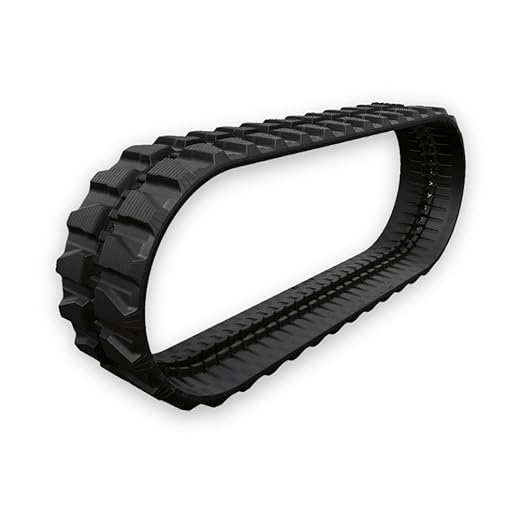
Check: Bobcat 231 329 331 334 425 428 E26 E32 ‖ Rubber Tracks ‖ 300x52.5Nx80
Zig-zag or straight bar patterns excel on muddy Canadian terrain, offering maximum sidewall grip and superior self-cleaning to prevent buildup. C-lug provides strong performance as a versatile alternative for spring and fall mud seasons common across prairies and forests.
Canadian mud—thick, clay-laden slop from spring thaws or fall rains—demands tracks that dig in without packing debris into the undercarriage. Zig-zag patterns shine here, with their angled, elongated lugs creating multiple gripping edges that channel mud and water away for consistent traction on slippery slopes.
Straight bar treads, featuring slim continuous bars, maximize flotation in deep mud, reducing the risk of getting stuck while compacting soil evenly. These are lower durometer for flexibility, ideal for wet surfaces without shredding turf during transitions.
For milder mud, C-lug's voids enhance sidewall bite over standard blocks, handling the seasonal deluges in regions like Ontario's clay belts or BC's coastal forests. AFT parts engineers these patterns with reinforced compounds to withstand Canada's abrasive mud, ensuring longer life than generic options.
| Tread Pattern | Mud Traction | Self-Cleaning | Best Canadian Mud Region |
|---|---|---|---|
| Zig-Zag | Excellent | High | Prairies (Spring Thaw) |
| Straight Bar | Excellent | Moderate | Coastal Forests |
| C-Lug | Very Good | Moderate | Ontario Clay Belts |
| Block | Good | Low-Moderate | General Mud |
How Do Block vs. C-Lug Patterns Compare for Mini Excavators?
Block patterns offer superior paved surface traction and longevity on asphalt/rock, while C-lug provides better soft-ground grip with extra voids for clay/mud. For mini excavators, C-lug is more versatile across Canadian mixed terrains, though block excels in abrasive conditions.
Block vs. C-lug is a classic debate for mini excavator operators, as both are general-purpose but tuned differently. Block treads, with their staggered solid rectangles, deliver the largest contact patch for friction on hot asphalt, gravel, and rocky paths—crucial for urban construction or highway-adjacent sites.
C-lug (H-pattern) modifies this by carving C-shaped apertures into each block, adding cutting edges for superior handling in mud, clay, snow, and rock. The voids boost traction on soft ground without sacrificing hard-surface stability, making C-lug the go-to for multi-terrain jobs.
In Canadian contexts, block shines on prairie gravel and Shield rock, minimizing vibration for operator comfort. C-lug handles seasonal shifts better, like mud-to-rock transitions. AFT parts' precision C-lug and block tracks use advanced vulcanized rubber for extended wear in these demanding patterns.
What Makes Zig-Zag Tracks Ideal for Winter Snow and Spring Mud?
Zig-zag tracks are ideal for winter snow and spring mud due to their elongated sidewalls for grip on slippery surfaces and groove design for high self-cleaning of snow, slush, and mud—perfect for Canada's harsh seasonal transitions.
Canada's winters bring deep snow and icy mud, where standard tracks slip and pack up. Zig-zag (ZZ or lightning bolt variants) patterns counter this with a wavy layout that maximizes lug sidewall length, digging into loose material for unbeatable forward traction on slopes.
The deep grooves divert snow, water, and spring thaw mud, maintaining clean contact patches for power transmission. This aggressive design eliminates slippage in fall/winter/early spring, though it's less suited for dry rock to avoid accelerated wear.
For rubber track excavators in northern provinces, zig-zag ensures mobility when others bog down, with bi-directional options like lightning bolt adding flotation and low vibration for all-day comfort.
Which Patterns Perform Best on Clay Soil and Rocky Shield Ground?
Block patterns perform best on rocky Shield ground for abrasion resistance and even weight distribution; C-lug excels on clay soil with gripping edges to prevent spin-out. Both outperform others in Canada's heavy clay prairies and granite-strewn landscapes.
Canadian clay—sticky prairie soils and Ontario belts—clings and spins wheels, while rocky Shield terrain abrades tracks relentlessly. Block patterns distribute weight evenly across hard, uneven rock, with shallow lugs resisting chunking for longevity on gravel and boulders.
C-lug's extra voids provide the cutting edges needed to slice through clay without buildup, offering traction on sand, mud-adjacent clay, and transitional rock. For excavators, these patterns minimize downtime in remote Shield sites or expansive farm clays.
AFT parts tailors these for regional durability, solving generic track failures in abrasive Canadian soils.
| Terrain | Best Pattern | Key Benefit | Canadian Example |
|---|---|---|---|
| Clay Soil | C-Lug | Gripping Voids | Prairie Farms |
| Rocky Shield | Block | Abrasion Resistance | Northern Ontario |
| Mixed Rock/Clay | Block or C-Lug | Versatility | BC Interior |
| Turf/Light Rock | V-Lug | Low Disturbance | Urban Landscaping |
How to Match Tread Patterns to Seasonal Canadian Conditions?
Match block/C-lug for summer rock/clay/asphalt; zig-zag for winter snow/spring mud; V-lug for turf/ag. Rotate seasonally based on regional forecasts—prairies need mud-to-rock swaps, Shield sites prioritize abrasion resistance year-round.
Canada's seasons dictate track swaps: spring mud favors zig-zag or straight bar; summer rock/clay calls for block or C-lug; winter snow demands zig-zag grip. Assess job sites—multi-bar for urban mixes, V for turf.
Factors like machine weight, drive lugs, and rubber compound influence choices. Fleet managers save costs by stocking 2-3 patterns per excavator, guided by terrain matrices.
AFT parts Expert ViewsAt AFT parts, we've engineered our rubber tracks to conquer Canada's toughest terrains, born from operators' frustrations with unreliable generics. Our C-lug tracks feature enhanced voids for clay grip without paved-surface sacrifice, while block patterns use cut-resistant compounds for rocky Shield endurance. Precision manufacturing ensures seamless fit for mini excavators, extending life 20-30% in mud transitions. Canadian operators trust AFT for zero-downtime performance—choose us to empower your fleet's potential.
Why Choose AFT Tracks for Excavator Tread Durability?
Choose AFT tracks for excavator tread durability due to precision engineering, reinforced compounds, and terrain-specific designs that outlast generics in Canadian mud, clay, and rock—backed by real job site performance.
AFT parts revolutionized aftermarket wear parts with high-quality alternatives for heavy machinery pros. Frustrated by OEM shortcomings, our team delivers tracks that push boundaries in durability.
What Factors Affect Rubber Track Life in Tough Terrains?
Rubber track life in tough terrains is affected by tread pattern match, soil abrasiveness, maintenance, machine alignment, and compound quality—poor fits cut life by 50%, while optimized AFT tracks extend it significantly.
Key factors: aggressive patterns wear faster on rock; neglect idlers/sprockets accelerates failure. In Canada, seasonal storage and cleaning preserve tracks.
Conclusion
Selecting the right tread pattern transforms your rubber track excavator's performance across Canada's diverse terrains. By matching block or C-lug to clay and rock, zig-zag to mud and snow, operators minimize downtime and maximize ROI. AFT parts stands ready with precision solutions—visit today for expert recommendations.
FAQs
What is the best tread for mini excavator mud in Canada?
Zig-zag or C-lug for superior grip and self-cleaning in sticky Canadian mud.
Block vs C-lug: Which for rocky terrain?
Block for maximum abrasion resistance on Canadian Shield rock.
Can I use one track pattern year-round in Canada?
C-lug offers the best versatility, but seasonal swaps optimize life.
How do AFT tracks improve durability?
Precision engineering and terrain-matched compounds extend wear in harsh conditions.
What's the top pattern for clay soil excavators?
C-lug, with voids for cutting through sticky prairie clay.