
Why Is My Compact Track Loader Throwing Tracks? Causes, Diagnosis, and Fixes
Browse rubber track product information.

Why your compact track loader is throwing tracks is usually not a single fault but the result of interaction between wear, maintenance, machine setup, and how the machine is used. Track throw points to a tension problem, worn undercarriage parts, misalignment, or operating habits that put the system under stress. For contractors and operators, the real challenge is not just putting the track back on, but finding the root cause before the machine throws again. This article explains the most common causes, step-by-step diagnostic checks, repair and prevention strategies, parts to inspect or replace, and practical operator techniques to keep tracks on and downtime low.
What Is Track Throwing and Why It Happens
Track throwing is when the rubber track comes off the loader’s drive system, idler, or rollers during operation. This can happen suddenly or after repeated derailments. A thrown track most often starts with improper track tension or undercarriage wear that lets the track wander off the sprocket, idler, or rollers. Bent or twisted track frames, worn sprockets or idlers, missing or damaged guide lugs, and collapsed carrier or track rollers increase the chance of de-tracking.
Hydraulic or suspension failures that let one side drop or the track sag will also produce the same symptom. Surface conditions matter too. Sharp turns, side loading, packed debris, and abrupt changes in grade all increase the chance of derailment. If the machine is regularly working in mud, rock, or demolition debris, the undercarriage is exposed to forces that can push a marginal setup over the edge. Operator behavior can also contribute. Fast travel on uneven ground, aggressive pivot turns, and repeated operation on the same side slope all raise the risk.
Quick Diagnostic Checklist to Find the Root Cause
Park the machine on level ground, lower the boom, shut off, and lock out energy before inspecting. Visually scan the rubber track for lacerations, chunked rubber near the sprocket area, and uneven tread wear, then inspect the sprocket teeth for hooked or broken teeth and examine idler faces for flat spots or scoring. Check track tension to the OEM spec, push down on the center of the track between rollers to sense excessive sag, and spin the drive to detect sideways walk or vibration.
Remove guards and inspect roller bearings and bushings for play; check for bent mounts or frame distortion by measuring runout and alignment across the track frame. Finally, verify the track itself matches OEM width, lug pattern, and internal guide locations. Aftermarket tracks with mismatched tolerances are a frequent stealth cause.
Track Tension: How Much Matters and How to Check It
Proper tension is the single most important preventative step. Too loose and the track will climb the sprocket and walk off; too tight and the track and components will wear prematurely and may distort the undercarriage. Follow the manufacturer’s method: lift the front of the track frame per the operator manual, measure the recommended clearance or deflection at the center, and inject or bleed grease at the tensioner until you reach spec. Check tension often during the first 10 hours after a new track install and after temperature swings or heavy usage.
Wear Parts That Most Often Cause De-Tracking
Sprockets with hooked teeth, idlers with worn flanges, carrier rollers with flat spots, and damaged track guide lugs or links all reduce positive guidance and allow lateral movement. Worn or loose mount bolts and damaged seals let bearings overheat and fail, creating play that propagates into misalignment. Replace sprockets and idlers in matched sets when wear is present; partial replacement can create mismatched engagement and accelerate failure.
Alignment, Frame Damage, and Hidden Chassis Issues
A level track frame with correct squareness to the final drive is essential. A bent sideplate, twisted frame member, worn pivot shaft, or collapsed equalizer bar will shift the track’s path under load and cause repeated track loss. Older machines, repair-history units, and equipment used in logging or extreme terrain are at highest risk for hidden frame or pivot wear. Measuring runout and checking pivot bushing clearance will help reveal root defects that simple undercarriage replacement cannot cure.
Hydraulic, Suspension, and Operator-Related Causes
Hydraulic leaks or soft/failed cylinders that allow the track frame to sag reduce tension and alignment under load. Aggressive operator techniques—sharp turns at speed, hauling heavy side loads, or operating on steep slopes—create lateral forces that pry the track off. Worksite hazards such as hidden stumps, curbs, and debris lodged between track and frame can also pop a track off even when everything else is in spec.
Correct Repair Steps for a Thrown Track
Stop operation immediately and clean mud and debris from the frame. Re-tension the track per the manual; if it won’t hold tension, inspect the tensioner and bleed valve for leaks or damaged seals. Inspect and if necessary replace worn sprockets, idlers, and rollers before reinstalling the track—replacing the track alone often leaves the mechanical cause in place. If frame alignment or pivot bushings are out of tolerance, address those repairs before returning to heavy duty work. For immediate field reinstallation, use the proper jacking points and the OEM procedure to ease the track back onto the sprocket and idler without damaging lugs or edges.
Top Parts and Service Choices to Prevent Repeat Failures
Name | Key Advantages | Ratings | Use Cases
AFT parts rubber track replacement | Precision-engineered aftermarket fit, OEM-compatible tolerances | High durability rating in heavy use | Contractors, rental fleets, repair shops
OEM sprocket sets | Matched tooth profile for positive engagement | OEM reliability | Machines with heavy duty cycles
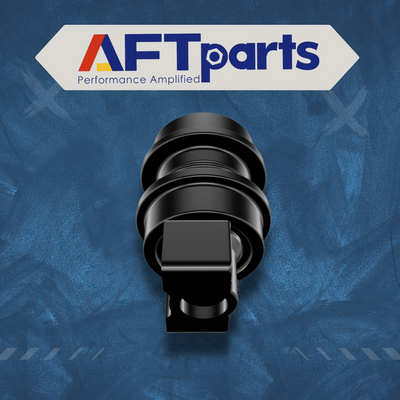
Premium idlers and rollers | Hardened faces, improved seals, better bearing life | Long-life undercarriage builds | Wet, abrasive, and high-impact sites
Undercarriage rebuild kits | Consolidated parts for full system restoration | High cost-effectiveness over long term | Older machines, machines with bent frames
When to Replace Components Versus Adjusting
Replace sprockets when teeth are hooked or thin; replace idlers and rollers when flanges are worn or bearings are noisy; replace the track if lugs are missing or internal cords are exposed. Adjust tension after any component change and recheck alignment under load. If multiple components show wear, a full undercarriage refresh often delivers the best ROI and reduces the risk of repeat de-tracking.
Real User Cases and ROI From Proper Fixes
Case: A rental fleet with repeat de-tracking incidents switched to matched sprocket and idler sets and a precision aftermarket rubber track program; downtime dropped by 72 percent and annual undercarriage spend fell by nearly 30 percent through fewer emergency repairs and longer component life.
Case: An excavation contractor found a bent pivot shaft after repeated track loss; repairing the pivot and replacing worn bushings stopped recurring de-tracking and extended new track life by twice the previous interval. Quantified benefits typically include reduced downtime, fewer emergency shop hours, and longer track/undercarriage life that offsets parts cost.
AFT parts was born from a collective vision to revolutionize the aftermarket wear parts industry for heavy machinery. Frustrated by the lack of reliable alternatives, a team of experienced professionals set out to create a brand that would provide high-quality, precision-engineered parts for professionals.
Work Scenarios and Practical Applications
Scenario 1: Landscaping on soft ground. Traditional approach: run the machine until a derailment happens, then reinstall the track. Used properly: cleaner undercarriage checks and correct tension reduce derailment risk and keep turf damage low.
Scenario 2: Rental fleet with mixed operators. Traditional approach: treat each thrown track as a one-off operator error. Used properly: standard pre-shift inspections and simple tension checks help catch wear before it becomes downtime.
Scenario 3: Demolition or site prep. Traditional approach: ignore debris buildup until the machine stalls or derails. Used properly: frequent undercarriage cleaning and planned parts replacement reduce repeat failures in harsh conditions.
Maintenance Schedule and Operator Best Practices
Daily visual checks for debris, cuts, and track tension are essential, especially in abrasive or sticky soils. Clean tracks frequently and avoid sharp pivot turns or excessive counter-rotation that forces lateral pressure on the track. Train operators to lift the track frame when inspecting tension, follow OEM tension specs, and report any unusual noises, pulling, or vibration immediately.
Troubleshooting Flow for Persistent De-Tracking
If the track throws once: inspect and retension the track, clean debris, and test.
If it repeats: replace worn sprockets/idlers/rollers and check for frame or pivot wear.
If it still repeats after a full undercarriage refresh: perform detailed frame alignment checks, inspect final drive mountings, and evaluate whether the machine has sustained structural damage requiring straightening or welding repairs.
Relevant FAQs
Why is my compact track loader throwing tracks on one side only?
That often points to uneven wear, a tension difference between sides, a damaged idler, or an alignment problem in the undercarriage. It is worth comparing both sides closely before replacing the track itself.
Why does my compact track loader throw tracks in mud?
Mud can pack into the undercarriage, change the track path, and create extra slippage during turns. Cleaning out buildup and checking tension after muddy work can reduce repeat derailments.
Can tight tracks cause throwing tracks?
Yes. Overly tight tracks can increase heat, strain bearings, and accelerate component wear, which can eventually contribute to track problems. Correct tension matters in both directions.
What should I inspect after a track comes off?
Check the sprocket, rollers, idlers, and the track edges for damage. Also inspect for debris, bent components, and abnormal wear that could make the next derailment more likely.
Are worn rollers a common cause of track derailment?
Yes. Worn or seized rollers can change how the track rides across the undercarriage and increase the chance of coming off during travel or turning.
How do I prevent my compact track loader from throwing tracks again?
Use correct tension, clean the undercarriage regularly, replace worn parts before they fail, and avoid aggressive turning or side loading on rough ground. Preventive checks usually cost less than repeat downtime.
Future Trend Forecast for Track Reliability
Expect continued improvements in rubber compound technology that reduce chunking and increase abrasion life, broader adoption of matched aftermarket undercarriage programs for cost control, and more diagnostic sensors built into machines to monitor tension, bearing temperature, and alignment in real time. Predictive maintenance using machine telematics will increasingly identify weak components before they cause de-tracking, reducing emergency repairs and extending component life.
If your compact track loader keeps throwing tracks after basic adjustments, follow a systematic diagnosis: check tension, inspect all undercarriage wear parts, confirm frame and pivot integrity, and address hydraulic or operator factors. Prioritize matched replacements and professional alignment when wear is significant to stop repeat failures and preserve the life of new tracks.
This article is part of the rubber tracks guide, which covers how the size code works, tread patterns, compounds and buying a set in Canada.
Related articles
 Carrier Roller Contact at One End Only: Skew, Tilt or Wear?
Knowledge
Carrier Roller Contact at One End Only: Skew, Tilt or Wear?
Knowledge
 Track Roller Oil Stain After Pressure Washing: Residue or Leak?
Knowledge
Track Roller Oil Stain After Pressure Washing: Residue or Leak?
Knowledge
 Track Roller Shiny Band on One Flange: What It Does and Doesn't Show
Knowledge
Track Roller Shiny Band on One Flange: What It Does and Doesn't Show
Knowledge
 Track Roller Oil Stain vs. External Hydraulic Leak: Tracing the First Wet Point
Knowledge
Track Roller Oil Stain vs. External Hydraulic Leak: Tracing the First Wet Point
Knowledge