
Rubber Track
Replacement rubber tracks listed by machine application and track size.
Shop Rubber Track
Shop replacement rubber tracks for mini excavators and compact tracked equipment. Search by machine model or confirm the track width, pitch and link count before ordering.
AFT Parts supplies excavator rubber tracks for repairs ranging from a single damaged track to a wider undercarriage service. Start with the machine make and model, then use the size moulded into the existing track to confirm the correct replacement.
Browse rubber tracks first, then check the rollers, idler and sprocket if the old track shows uneven or accelerated wear.
Replacement rubber tracks listed by machine application and track size.
Shop Rubber Track
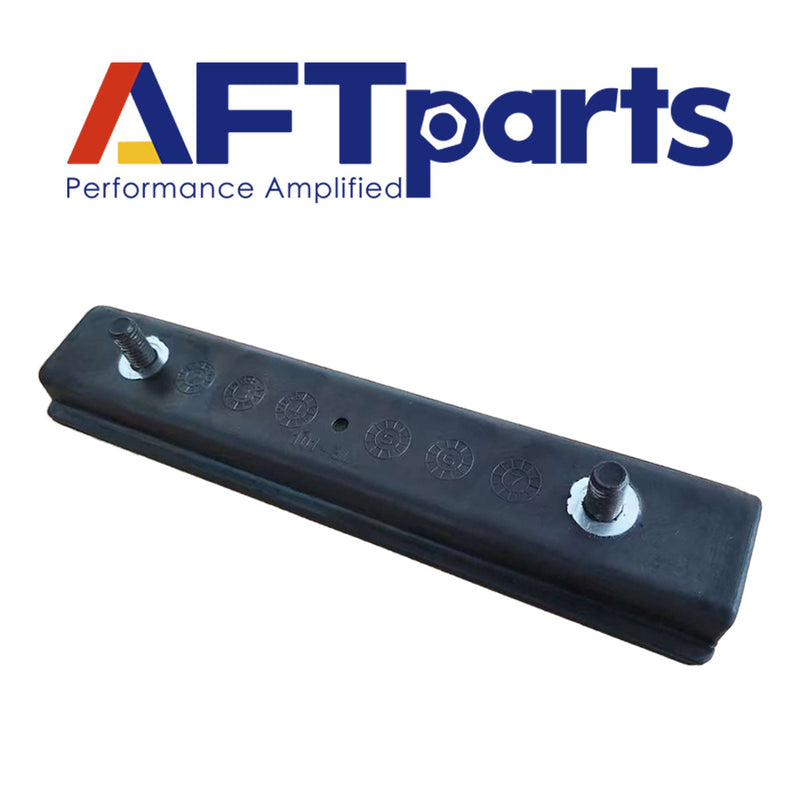
Bolt-on and clip-on rubber pads for tracked equipment working on finished surfaces.
Shop Rubber Pad

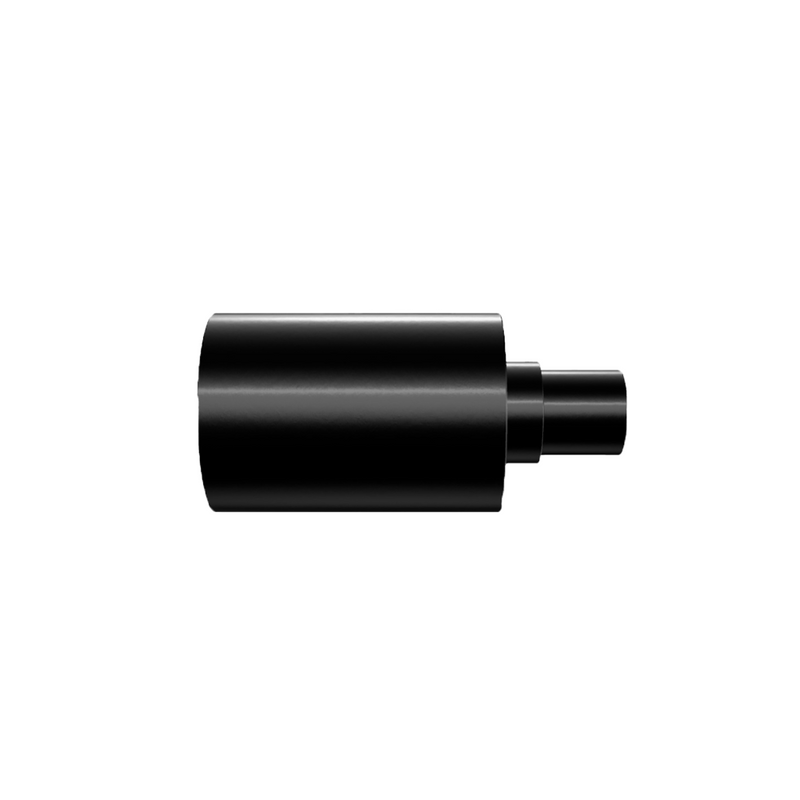
Bottom rollers that support the machine and guide the lower track path.
Shop Track Roller

Most rubber tracks are identified by three measurements: width, pitch and number of links. Use all three together with the machine model. Tracks that share the same width may still use a different pitch, guide profile or internal construction.

A new rubber track runs over the existing rollers, idler and sprocket. Sharp flanges, seized rollers, a loose idler or hooked sprocket teeth can damage the replacement and cause the same wear pattern to return.

Tread pattern affects traction, clean-out, vibration and the amount of disturbance left on finished surfaces. Choose for the conditions the machine works in most often rather than for tread appearance alone.
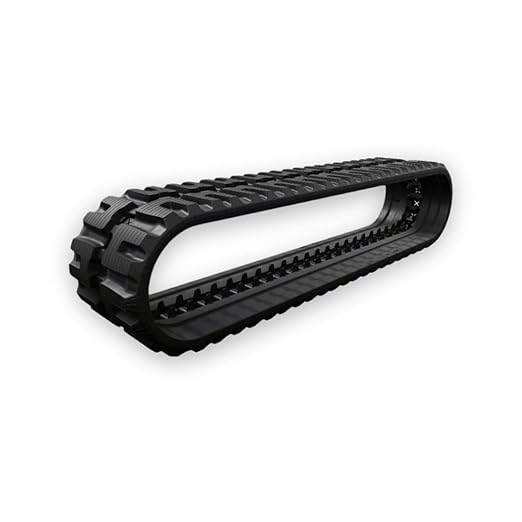
Use the model, serial number, existing part reference and dimensions to narrow the available replacements before ordering.
Support organized around the actual machine.
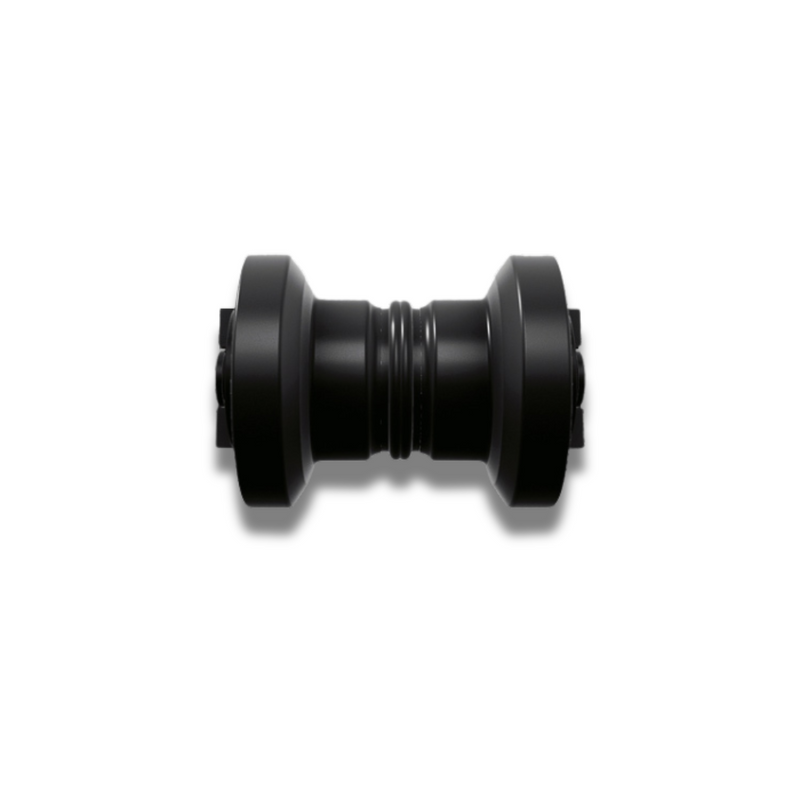
References and dimensions checked before dispatch.
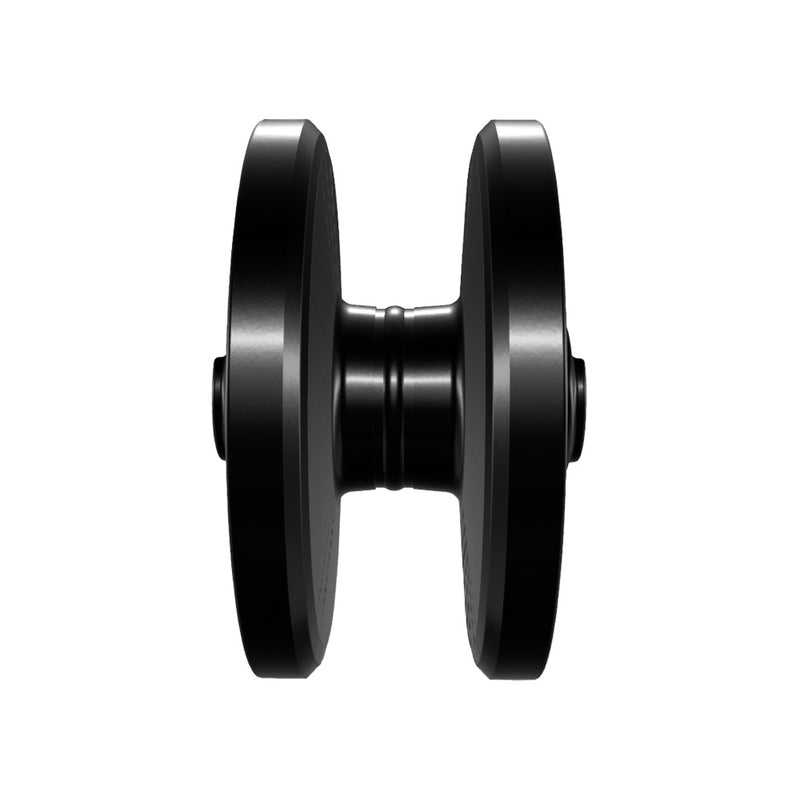
Core wear components sourced together.
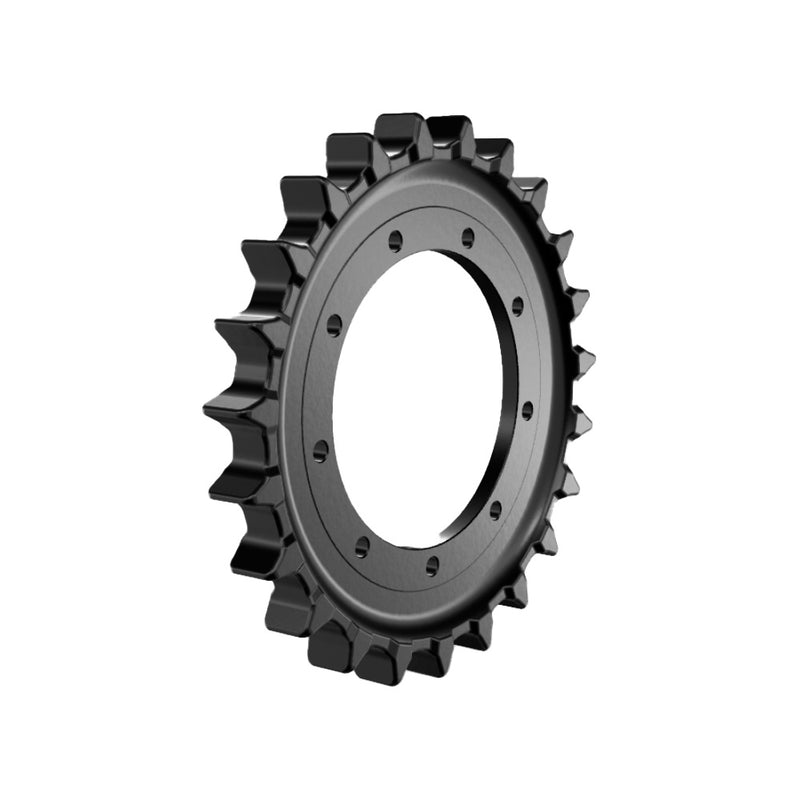
Selection based on parts and working conditions.
Clear identification supports reliable fulfilment.
Help before and after the purchase.
Pair the primary component with the hardware and wear parts needed for installation.
Send the machine make, full model, serial number and any readable part marking. Photos and measurements can help when the original number is missing or no longer legible.
Contact AFT PartsThe size is normally written as width × pitch × links. For example, the first number is the track width, the second is the distance between links and the final number is the total link count.
Yes. Width alone does not confirm fitment. Pitch, link count, guide shape and internal geometry may differ, so compare the full size and machine application.
Replacing both can provide more even traction when the tracks have similar hours and wear. If one track was cut or damaged and the other remains in good condition, a single replacement may be appropriate.
Common causes include incorrect tension, worn rollers or sprockets, misalignment, frequent sharp turns, debris packed into the undercarriage and using a tread pattern that does not suit the surface.
Provide the machine make, model and serial number, the complete track size or moulded code, and clear photos of the tread and inner guide lugs when available.
A replacement rubber track must match both the machine and the undercarriage. Two tracks can look almost identical in a photograph and still differ in pitch, link count or guide profile. Begin with the machine make, full model and serial number, then compare the complete size moulded into the existing track.
Browse the AFT rubber track collection by equipment application or size. If the original marking is missing, measure the track before removal and photograph the inner guide lugs while their position on the machine is still clear.
Rubber track sizes are commonly written as three numbers. Width is measured across the track in millimetres. Pitch is the distance from the centre of one link to the centre of the next. Link count is the number of links around the complete track. All three measurements are required; matching the width alone is not enough.
The guide profile also matters because it must run correctly between the rollers and around the idler and sprocket. When a machine model has more than one undercarriage option, the serial number or original part reference helps separate the available versions.
Mini excavators used for landscaping, utility work, construction and property maintenance do not all need the same tread. A lower-disturbance pattern is useful where the machine regularly crosses lawns, paving or finished ground. A more open tread can clear loose soil and mud more effectively, while a balanced pattern suits machines that move between several surfaces during the week.
Track selection should also consider how often the machine turns in place, travels over sharp debris or works on slopes. No tread eliminates wear, but matching the pattern to the regular application can improve traction and reduce unnecessary damage to the surface below.
Before installing a new excavator rubber track, inspect the parts that support and drive it. A seized track roller, sharp roller flange, loose idler or hooked sprocket tooth can mark the new track or cause uneven wear. Check track tension and alignment at the same time.
One damaged track does not automatically mean every undercarriage part must be replaced. The condition of the components should decide the repair. When several parts show the same wear pattern, dealing with them during the same service can prevent another teardown soon after installation.
A single replacement may be suitable when one track has been cut or damaged and the opposite side still has substantial service life. When both tracks have similar hours and visible wear, replacing the pair can provide more consistent traction and travel. Compare tread depth, cracking, missing rubber and exposed or damaged cords before deciding.
Use the product listing to check the machine application and track size before adding a replacement to the cart. Keep the full machine model, serial number and existing track code available in case an additional fitment check is needed. For an unmarked track, send AFT Parts the measurements and clear photographs rather than selecting from appearance alone.


