
Track Roller
Bottom rollers that support the machine and guide the lower track path.
Shop Track Roller
Shop replacement track rollers for excavators and tracked equipment. Confirm the machine model, part reference, flange arrangement and mounting dimensions before ordering.
Track rollers support the machine along the lower undercarriage and guide the track as it travels. AFT Parts supplies replacement bottom rollers for excavators and other tracked equipment, with listings organized around machine and part references.
Browse bottom rollers first, then compare carrier rollers, idlers, sprockets and tracks if wear is visible elsewhere in the undercarriage.
Bottom rollers that support the machine and guide the lower track path.
Shop Track Roller
Upper rollers for supporting and guiding the return side of the track.
Shop Carrier Roller


Replacement rubber tracks listed by machine application and track size.
Shop Rubber Track
Track bolts, nuts and related fastening hardware for undercarriage repairs.
Shop Bolt & NutBegin with the machine make, full model and serial number. Compare the old part number when it is readable, then check the flange arrangement, mounting pattern, overall width and running diameter against the product listing.

Oil leakage, seizure, flat spots and thin or cracked flanges are common signs of a worn roller. Compare the remaining rollers along the frame to determine whether the problem is isolated or part of a wider wear pattern.

Track rollers carry the lower path, but tension, alignment and drive wear involve the complete undercarriage. Inspect the track, carrier rollers, front idler and sprocket while the machine is accessible.

Use the model, serial number, existing part reference and dimensions to narrow the available replacements before ordering.
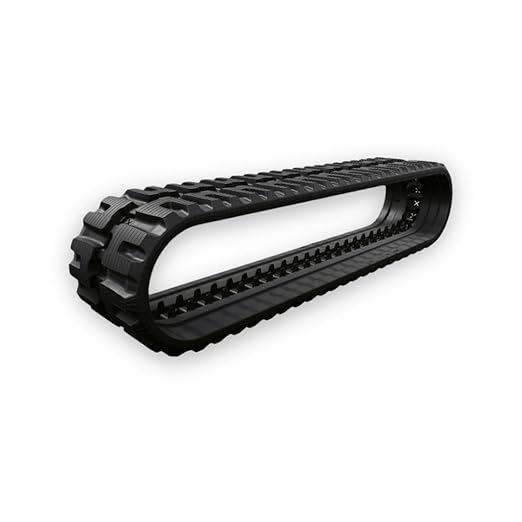
Support organized around the actual machine.
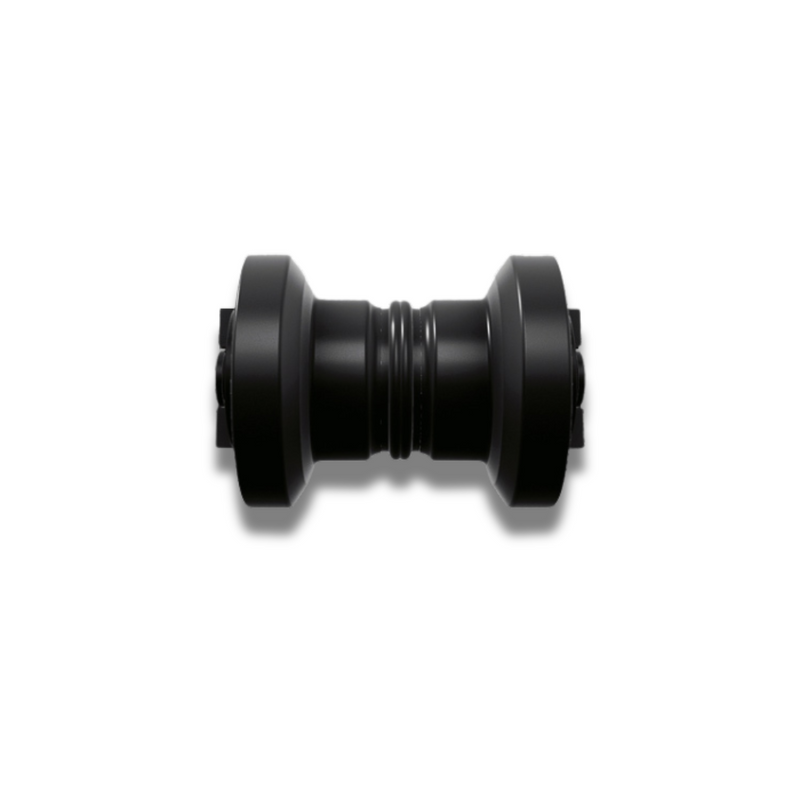
References and dimensions checked before dispatch.
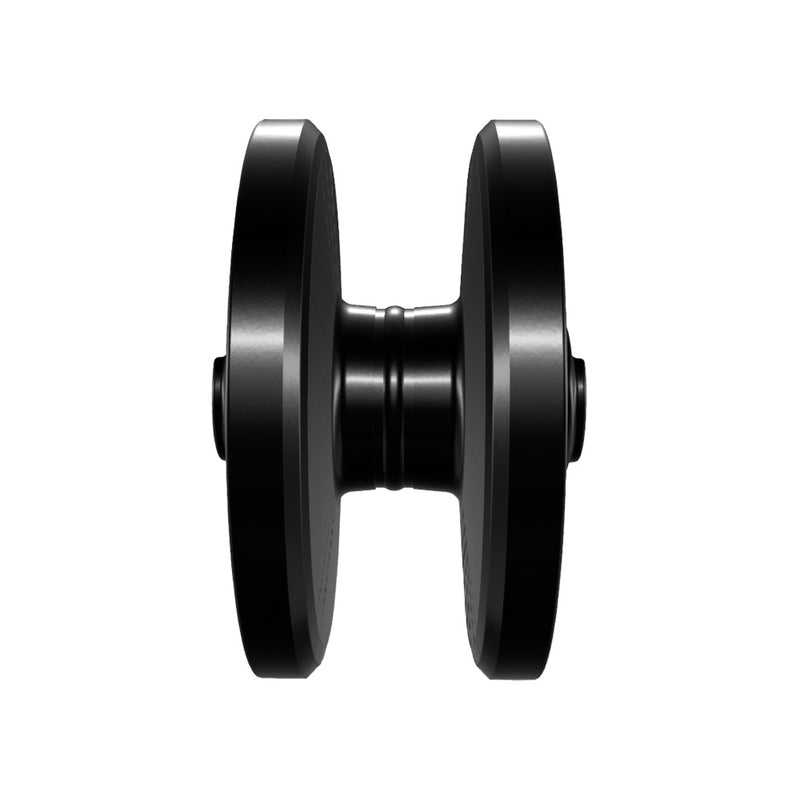
Core wear components sourced together.
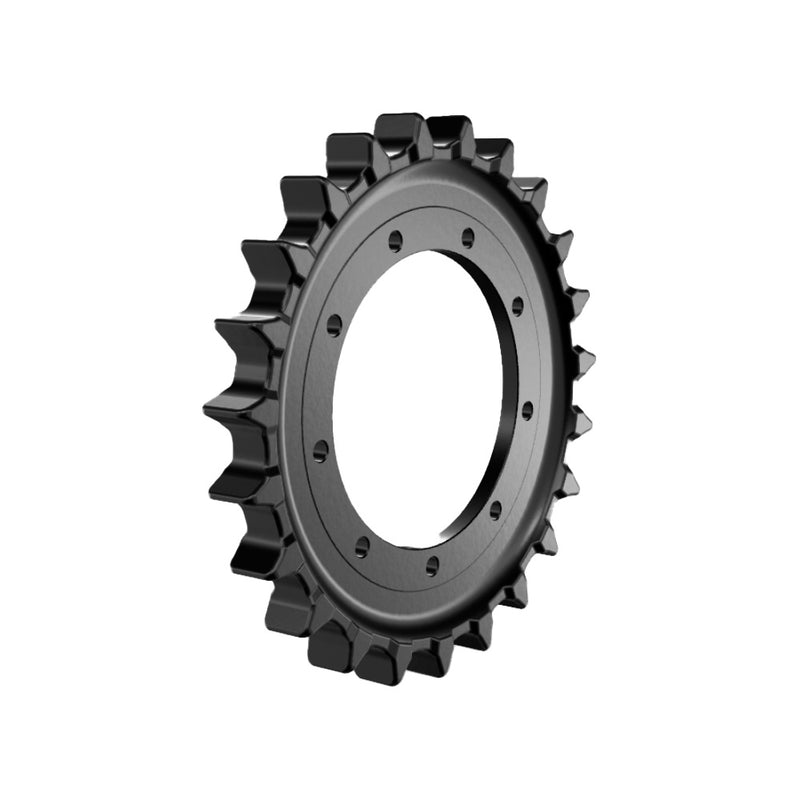
Selection based on parts and working conditions.
Clear identification supports reliable fulfilment.
Help before and after the purchase.
Pair the primary component with the hardware and wear parts needed for installation.
Send the machine make, full model, serial number and any readable part marking. Photos and measurements can help when the original number is missing or no longer legible.
Contact AFT PartsTrack rollers, also called bottom or lower rollers, run along the bottom of the frame and support machine weight. Carrier rollers support the upper return section of the track.
Use the machine make, model and serial number together with the existing part number. Confirm the mount, bolt spacing, flange arrangement, overall width and running diameter.
Inspect for oil leakage, a roller that does not turn freely, flat spots, unusual travel noise, thin or cracked flanges and uneven wear on the track links.
Not always. One failed roller can be replaced when the remaining set is in good condition. Replacing several may be appropriate when the rollers have similar hours and show the same degree of wear.
Photograph the side profile, mounting face and the roller in its original position. Include any stamped number and measurements of the mount, width and flange arrangement.
Excavator track rollers, also known as bottom rollers or lower rollers, carry the machine along the lower frame and guide the track through the undercarriage. The correct replacement must match the machine application, mounting arrangement and flange profile. Similar-looking rollers are not necessarily interchangeable.
Browse the AFT track roller collection using the machine make and model or an existing part reference. If the number on the old roller cannot be read, record its location before removal and compare the mounting centres, overall width, running diameter and flange arrangement.
Track roller, bottom roller and lower roller are commonly used for the components fitted along the bottom of the track frame. They support machine weight and help keep the track aligned. A carrier roller is different: it supports the upper return section of the track.
Some undercarriages use more than one track roller design along the same frame. Single-flange and double-flange rollers may be installed in specific positions, so note where the removed roller was fitted instead of assuming every position uses the same part.
Start with the full machine model and serial number because production changes can affect the undercarriage specification. Add the original roller number or OEM reference when available. Before ordering, compare the bolt pattern or mounting centres, body width, shaft or bracket style, running diameter and flange layout.
Photographs are useful when they show context. Take one image of the roller on the machine, one clear side view and one view of the mounting face. Include a ruler or calliper in the measurement photographs and record any stamped or cast markings.
Oil around the seals, a shell that no longer turns freely, flat spots, damaged flanges and unusual noise during travel all justify closer inspection. Thin or sharp flanges can affect the track path, while a seized roller creates sliding wear instead of rolling contact.
Check more than the first failed component. Similar wear across several rollers may indicate that the set has reached a comparable service condition. Uneven wear concentrated in one area can point to track tension, alignment or another undercarriage problem.
While access is open, inspect the front idler, sprocket, carrier rollers and track. Hooked sprocket teeth, a loose idler, incorrect tension or damaged track links can continue to load the replacement roller unevenly.
This inspection does not mean every part must be replaced. It provides the information needed to decide whether the repair involves one roller, several rollers or a broader group of worn components.
Use the product application and part reference to narrow the available rollers, then confirm the physical details before checkout. For an unknown roller, send AFT Parts the machine information, photographs and measurements. Identifying the part while the old component and its mounting position are still available is easier than trying to reconstruct those details after teardown.


