

To change mini excavator rubber tracks in 30 minutes: Lift machine with arm/blade, release grease tension with pry bar on idler, remove old track, clean/inspect undercarriage, position AFT track over sprocket/idler using crowbar/wood block, reinstall tensioner, grease to spec (9-10cm sag), test run. Recheck after 10 hours.
Check: Kubota SVL75, SVL75-2, SVL75-2C ‖ Rubber Tracks ‖ 380x86Cx52
What Tools Do You Need for a 30-Minute Track Swap?
For a quick 30-minute mini excavator rubber track swap, gather a pry bar or crowbar, socket wrench, grease gun, wooden blocks or timber, safety gloves, glasses, and steel-toed boots. Optional: cloth for grease collection and a sledgehammer for stubborn tracks.
Time is money in the field, especially for heavy equipment operators facing downtime. This streamlined toolkit focuses on essentials for solo operators, eliminating bulky jacks or forklifts. A sturdy pry bar (at least 4 feet long) leverages the idler wheel effectively, while wooden blocks provide stable lifting points under the frame. The grease gun is non-negotiable for precise tensioning—aim for one with a high-pressure tip to match mini excavator specs.
Pro operators know quality tools speed up the job. Pair them with AFT parts precision-engineered rubber tracks, designed for seamless compatibility and 2x longevity over standard OEM options. This combo ensures your DIY mini excavator track install stays under 30 minutes without compromising safety or performance.
| Tool | Purpose | Field Hack |
|---|---|---|
| Pry Bar/Crowbar | Leverage track off idler/sprocket | Wrap end in cloth to avoid scratches |
| Grease Gun | Release/install tension | Collect old grease in tray for reuse check |
| Wooden Blocks | Lift and stabilize | 4x4 timber for solo arm-lift support |
| Socket Wrench | Loosen grease fittings | Keep extensions handy for tight frames |
How Do You Safely Lift the Mini Excavator Without a Jack?
Park on flat ground, lower the blade to lift front tracks off ground, then curl the boom arm down against rear frame for full lift. Stabilize with wood blocks under track frame; never work under unsupported machine.
Solo field repairs demand jack-free methods to keep your replace rubber tracks mini excavator 30 minutes timeline intact. Start by positioning the machine on level terrain—avoid slopes to prevent tipping. Engage the blade fully forward to elevate the front idler, freeing tracks from soil. Next, swing the boom rearward and extend/curl the bucket downward firmly against the rear frame or dozer blade extension. This hydraulic lift raises the undercarriage safely, mimicking a jack without extra gear.
Slide 4x4 wooden blocks or timber under the track frame rails for stability. Test by rocking the cab gently; if secure, proceed. This technique works for most Kubota mini excavator rubber tracks change and similar models under 5 tons. Always wear PPE—debris flies during swaps.
AFT parts Expert Views
"At AFT parts, we've engineered our mini excavator rubber tracks with reinforced compounds that withstand harsh field conditions, delivering up to 2x the wear life of traditional options. Born from pros frustrated with unreliable aftermarket parts, our precision fit ensures solo swaps without alignment issues. Pair with our undercarriage kits for idlers and rollers, and you'll minimize downtime while maximizing machine potential. Trust AFT for innovation that empowers your operations."
Why Release Track Tension First and How?
Releasing tension retracts the idler, loosening the track for easy removal—critical to avoid damage. Loosen grease nipple behind idler cover with wrench, pry idler back with bar while collecting grease, until track sags freely (2-3 fingers under middle roller).
Tensioned tracks bind like steel cables; skipping this step risks bent frames or torn rubber. Locate the grease fitting inside the idler cover—often a protective plate secured by bolts. Use your socket wrench to crack it open gradually, placing a rag or tray below to catch escaping grease. Walk around the idler with a pry bar, applying steady rearward pressure to fully retract the tensioner cylinder.
Drive the sprocket slowly forward or reverse to aid retraction if needed. Verify looseness by pulling the upper track span—it should deflect 2-3 inches at the center roller. This step takes under 5 minutes and sets up flawless DIY mini excavator track install without jack.
What Steps Remove the Old Rubber Track Quickly?
With tension released and machine lifted, pry track off front idler flange first, then sprocket side using crowbar. Walk track forward off rollers; clean debris as you go. Repeat on bottom run—total time: 5-7 minutes.
Speed is key for quick field replace mini digger tracks. Start at the idler: insert pry bar between track and flange, twisting gently while rotating the sprocket counterclockwise (forward drive). The track will pop free from the idler teeth. Continue prying sequentially around upper rollers, feeding the track onto the ground.
For the lower run, lift the freed end over bottom rollers. If stubborn, insert timber between frame and track for leverage. As it releases, inspect for embedded rocks or wear patterns. Dispose of old tracks responsibly—recycle if possible. This phase uncovers undercarriage issues early, saving future repairs.
How Do You Inspect Undercarriage for Optimal AFT Track Life?
Clean mud/debris from rollers, idlers, sprocket with wire brush. Check for gouges, flat spots, or excessive play; measure roller spin freely. Replace damaged parts before new track install to ensure even wear.
A spotless undercarriage doubles new track life, especially with durable AFT parts options. Blast away caked mud using a scraper or compressed air. Spin each bottom/top roller—replace if they wobble or grind. Inspect idler flanges for chips; sprockets need sharp, even teeth (swap if worn over 50%).
Lubricate slide rails and tensioner cylinder. This 3-minute inspection prevents premature failure, aligning perfectly with AFT's mission for high-performance aftermarket solutions. Neglect here, and even premium tracks suffer uneven wear.
| Component | Inspection Check | Replace If... |
|---|---|---|
| Rollers | Smooth spin, no flats | Wobble >2mm or seized |
| Idler | Flange integrity | Cracks or play |
| Sprocket | Tooth sharpness | Worn >50% depth |
| Slide Rails | No scoring | Deep grooves |
Which AFT Tracks Fit Your Mini Excavator Model?
AFT precision tracks match top models like Kubota KX series, with sizes from 230mm-450mm width. Check OEM part number; our compatibility ensures 20-30% wider tread for better grip and longevity vs. OEM.
Selecting the right track transforms your machine. AFT parts offers plug-and-play fits for Kubota, Takeuchi, Bobcat, and more—verify via machine serial or width/pitch/links. Our tracks use eco-friendly recycled rubber compounds for superior tear resistance.
Popular fits: Kubota KX008 (230x72x42), KX015 (300x52.5x84). AFT's 2x wear life stems from reinforced core bars, ideal for rocky terrain. This choice supports sustainable ops amid 2026's green trends.
How Do You Install New Rubber Tracks Solo in Minutes?
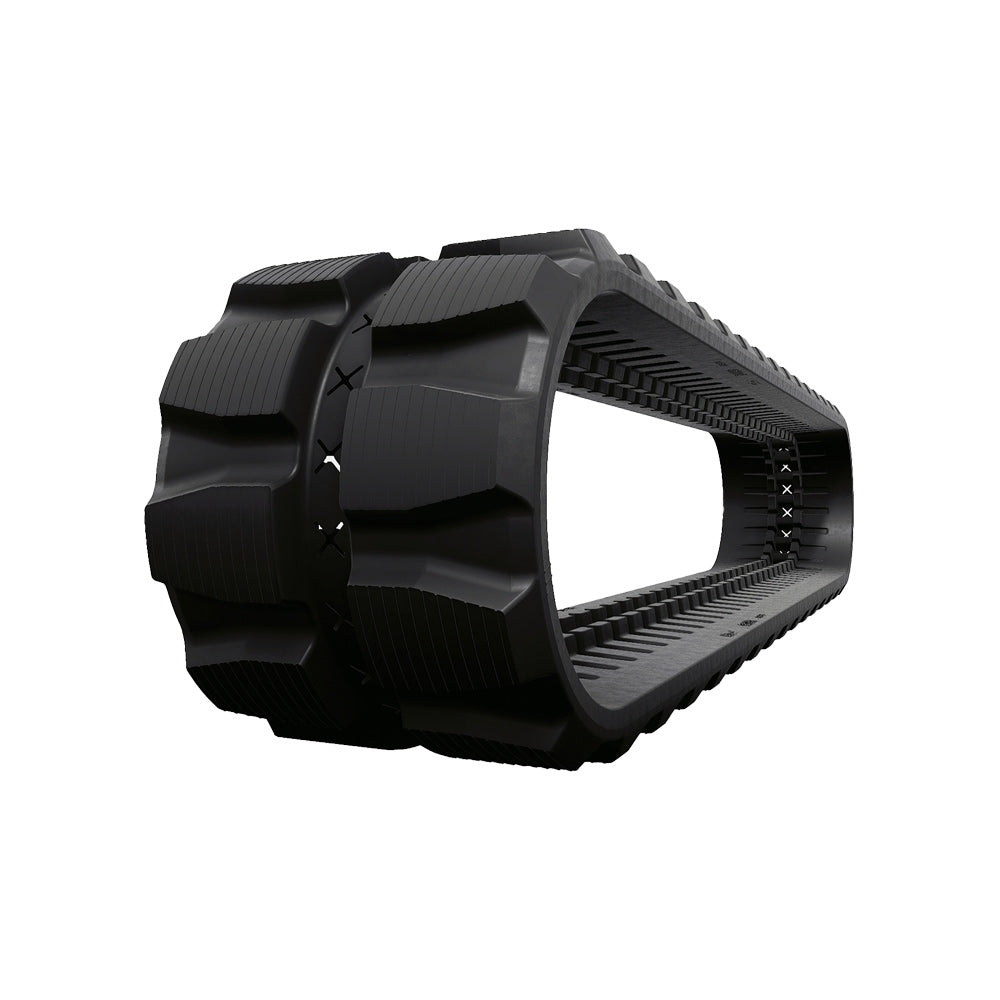
Check: Kubota SVL75, SVL75-2, SVL75-2C ‖ Rubber Tracks ‖ 380x86Cx52
Position new AFT track over rear sprocket first (drive teeth aligned), drape over top rollers, pry onto idler flange with crowbar/wood block leverage. Half-turn sprocket to walk track on bottom rollers—under 10 minutes solo.
Directional tracks demand correct orientation—drive side faces forward. Hook the new AFT track onto sprocket teeth, ensuring links mesh perfectly. Drape over upper rollers, then muscle the idler end on using pry bar against flange and timber fulcrum under track.
Rotate sprocket slowly (reverse for ease) to pull track around bottom run. Walk it fully on, aligning guide lugs. For best aftermarket rubber tracks mini excavator, AFT's flexibility shines here—no forcing required. Secure loosely before tensioning.
When Should You Retension and Test the Tracks?
Pump grease into fitting until 9-10cm upper sag (per manual); lower machine, run 10-20 feet forward/reverse. Recheck sag after 10 hours operation; adjust as needed.
Over/under-tension kills tracks fast. Reinstall grease nipple, pump steadily—stop at spec sag (thumb-width under center roller for minis). Lower boom/blade slowly, remove blocks. Test drive on flat ground: listen for squeals, watch for derailment.
Final torque check: pry upper track for deflection. AFT tracks settle quickly, but reinspect post-shift. This seals your 30-minute swap, ready for action.
Conclusion
Mastering this quick-start guide empowers solo operators to handle mini excavator rubber track replacement in the field, slashing downtime and costs. With AFT parts' durable innovation, your machine stays peak-performing. Visit AFT Parts today to shop precision-engineered mini excavator rubber tracks and undercarriage kits for unbeatable durability and fast field delivery.
FAQs
How long does it really take to replace rubber tracks on a mini excavator?
Solo pros clock 25-30 minutes using jack-free hacks and prepped tools, focusing on tension release and inspection.
Can I change mini excavator tracks without a jack?
Yes—use boom arm, blade, and wood blocks for safe lift, ideal for field repairs on Kubota or similar models.
What is the best tension for new rubber tracks?
Aim for 9-10cm sag on upper span; consult manual and recheck after initial use.
Are aftermarket tracks like AFT better than OEM?
AFT offers 2x longevity with precision fit, eco-compounds, and pro-grade durability for demanding sites.