

Rubber tracks boost skid loader performance with superior traction, 20-30% fuel savings, and 50% longer life versus steel, ideal for mud, snow, and turf. Choose C-lug for all-terrain versatility, zig-zag for wet conditions; select AFT precision-engineered options for quantified ROI and reduced maintenance in construction and landscaping.
Check: Takeuchi TL150, TL250, TL12, TL12V2 ‖ Rubber Tracks ‖ 450x100Tx50
What Makes Rubber Tracks Essential for Skid Loader Performance?
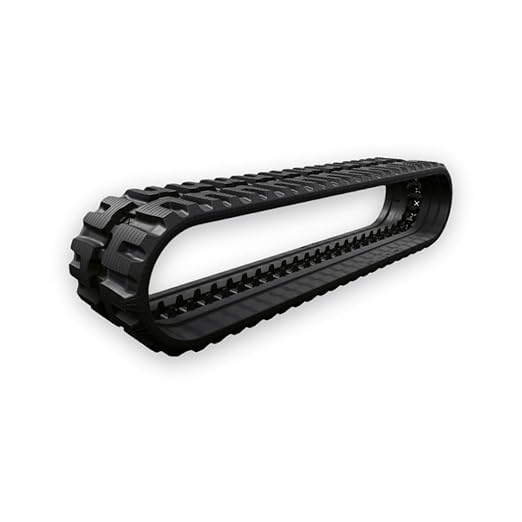
Rubber tracks enhance skid loader performance by providing superior traction, reducing ground pressure by up to 75%, minimizing vibration, and improving stability on uneven terrain. They outperform wheels and steel tracks in mixed environments, boosting efficiency and operator comfort for construction, landscaping, and earthmoving tasks.
Rubber tracks distribute machine weight across a larger surface area, dramatically lowering ground pressure compared to wheeled skid loaders. This flotation effect prevents sinking in soft soils and reduces surface damage on turf or finished areas, making them ideal for sensitive jobsites. High-quality rubber compounds absorb shocks, cutting vibration that fatigues operators during long shifts and protects undercarriage components from premature wear.
For contractors juggling diverse projects, rubber tracks offer unmatched versatility. They transition seamlessly from mud to asphalt, maintaining grip without excessive noise or compaction. Precision-engineered options from brands like AFT Parts elevate this further, using advanced tread designs and durable materials that extend track life while slashing downtime. Experienced fleet managers report fewer breakdowns and safer operations, directly impacting profitability.
Which Rubber Track Patterns Offer the Best Traction in Mud and Snow?
C-lug and multi-bar patterns excel in mud and snow, with curved lugs providing multidirectional grip and self-cleaning action to prevent packing. Zig-zag designs enhance wet traction, while block patterns suit turf; select based on terrain for optimal flotation and reduced slippage in challenging conditions.
In muddy conditions, multi-bar treads dig in deeply for maximum pull without bogging down, ideal for earthmoving or wet-season landscaping. Snow demands staggered or zig-zag patterns with siping—small tread cuts mimicking winter tires—for continuous contact and ice grip. These designs reduce slippage by up to 50%, channeling power efficiently to the ground.
High-performance tracks feature aggressive, self-cleaning lugs that eject debris, maintaining traction hour after hour. Contractors in variable climates praise their ability to extend workable days, minimizing weather-related delays. Pairing the right pattern with your skid loader's weight class ensures peak performance, whether hauling loads through slush or navigating urban demo sites.
| Pattern Type | Best For | Key Benefits |
|---|---|---|
| Multi-Bar | Mud, soft soil | Deep penetration, high pull |
| C-Lug | Mixed terrain, snow | Versatile grip, low vibration |
| Zig-Zag | Wet/slippery surfaces | Enhanced edge bite, stability |
| Block | Turf, hard surfaces | Low compaction, smooth ride |
How Do C-Lug vs. Zig-Zag Patterns Impact Skid Steer Stability?
C-lug patterns offer balanced stability across mixed surfaces with curved lugs reducing vibration and packing, while zig-zag excels on slopes and wet ground for superior edge grip and turning control. C-lug suits general use; zig-zag prevents tip-overs in slippery scenarios, enhancing safety and load handling.
C-lug's curved design provides multidirectional traction, distributing forces evenly to maintain balance during lifts or turns on uneven ground. This versatility shines in construction where sites shift from dirt to pavement. Zig-zag patterns, with angled lugs, bite into slippery slopes, improving control and reducing rollover risks—critical for steep landscaping or demo work.
Stability gains translate to confident operation at higher speeds and capacities. Operators note smoother rides with less bounce, preserving precision on tight jobsites. For fleet managers, selecting patterns that match job demands cuts rework and boosts daily output.
Why Choose High-Durability Rubber Compounds for Construction Jobs?
High-durability rubber compounds resist abrasion, heat, and impacts, lasting 1,200-1,800 hours versus commodity tracks' 500-800. They feature reinforced cords and anti-corrosion treatments, reducing downtime by 85% and maintenance costs by 32% on abrasive construction sites.
Construction demands tracks that withstand gravel, rebar, and constant abrasion. Premium compounds blend flexibility with tear resistance, using galvanized cords and seals to fend off moisture and salt. This engineering halves replacement frequency, freeing budgets for growth.
AFT Parts pioneered such reliability, born from pros tired of inconsistent aftermarket options. Their tracks empower contractors to tackle tough jobs without fear of mid-shift failures, proving that quality compounds deliver the uptime edge in high-wear environments.
AFT Parts Expert Views"At AFT Parts, we engineered our rubber tracks to solve the durability gaps plaguing aftermarket solutions. Our precision compounds extend life by 50% over standards, with specialized treads optimizing traction without sacrificing longevity. Contractors using AFT tracks report 30% fewer repairs and measurable ROI through reduced fuel and downtime. We focus on real-world performance—because your jobsite success defines our mission."
— AFT Parts Engineering Lead
What Sizing Factors Maximize Lifting Capacity on Different Soils?
Track width and length matching machine specs, plus low ground pressure (4-6 PSI), maximize lifting on soft soils; wider tracks (17-18 inches) boost flotation by 25% on mud versus narrow (12-inch) for hardpack. Consult sizing charts for soil-type optimization and stability.
Lifting capacity hinges on ground pressure: wider tracks spread weight, preventing sinkage and tilt during max loads. On clay or sand, 450mm+ widths enhance flotation; rocky soils favor narrower for maneuverability. Proper tension and alignment prevent derailments under heavy lifts.
Factors like lug height and soil cohesion guide selection—always verify OEM compatibility. This precision lifts more per pass, accelerating projects.
| Soil Type | Ideal Track Width | Lifting Gain | Pattern Rec. |
|---|---|---|---|
| Mud/Soft | 17-20 in | +25% flotation | Multi-bar |
| Clay/Sand | 15-18 in | +20% stability | C-lug |
| Hardpack/Rock | 12-15 in | Maneuverability | Block |
How Much Fuel Savings Can Rubber Tracks Deliver vs. Steel?
Check: Takeuchi TL150, TL250, TL12, TL12V2 ‖ Rubber Tracks ‖ 450x100Tx50
Rubber tracks deliver 20-30% fuel savings over steel by reducing slippage, vibration, and rolling resistance; efficient treads convert more engine power to work. Real-world tests show 1,200-hour tracks cutting consumption 25% on mixed jobs versus steel's higher drag.
Steel tracks' rigidity increases drag and spin, wasting fuel—rubber's grip minimizes this, with low-vibration rides easing engine load. Operators log fewer gallons per hour on rubber, especially in traction-demanding tasks. Combined with longer life, savings compound quickly.
Fleet data confirms: landscaping crews save 28% on fuel post-upgrade, funding expansions. AFT Parts' optimized designs amplify this, prioritizing efficiency for ROI-focused pros.
What Is the ROI of Upgrading to AFT Aftermarket Tracks?
AFT aftermarket tracks yield 6-12 month payback via 20-30% fuel savings, 50% longer life (1,500+ hours), and 30% productivity gains; total ownership costs drop 32% versus OEM or steel, with case studies showing $5K+ annual savings per machine.
Upgrading factors in lifespan, downtime cuts, and output boosts. AFT's precision engineering outpaces commodities, delivering quantifiable gains: construction firms recoup costs in 8 months through faster cycles and repairs halved. Landscaping ROI hits quickest via turf protection and fuel efficiency.
Interactive calculators project personalized returns—input hours, fuel rates, and jobs for instant insights. AFT's revolution in reliability turns tracks into profit drivers.
When Should You Replace Skid Loader Tracks to Avoid Downtime?
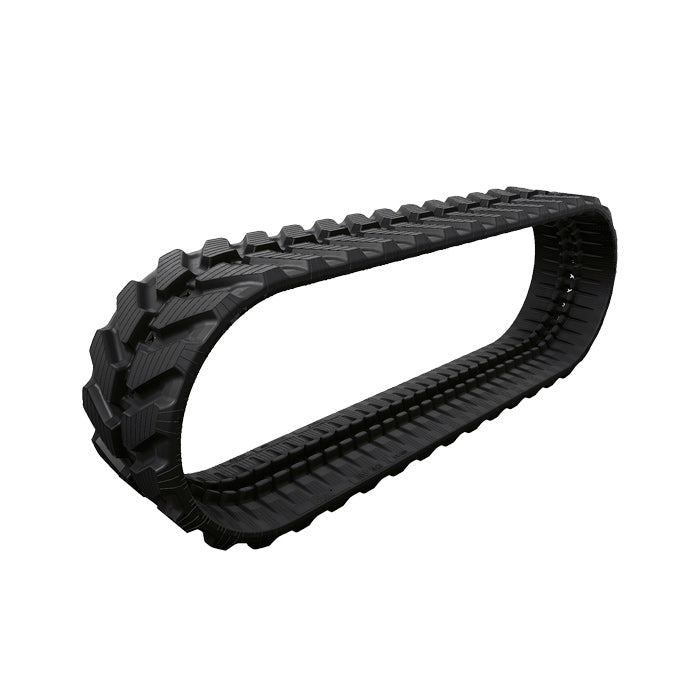
Replace at 1,000-1,500 hours or when tread depth hits 0.5 inches, lugs crack, or tension fails; inspect weekly for cuts, embedding, or uneven wear to preempt 85% of failures and extend undercarriage life.
Proactive checks—cleaning, tensioning, alignment—forestall issues. Heat, debris, or overload accelerate wear; log hours religiously. Fleets scheduling at 80% life avoid $2K+ emergencies.
AFT Parts bundles maintenance guides with tracks, empowering pros to maximize every hour.
Conclusion
High-quality rubber tracks transform skid loader operations, delivering traction, efficiency, and ROI that steel can't match. AFT Parts leads with precision-engineered solutions for contractors demanding reliability. Upgrade today for peak performance.
CTA: Visit AFT Parts today to explore our precision-engineered rubber tracks and calculate your ROI with our free tool.
FAQs
1. How do rubber tracks improve skid loader traction? They distribute weight evenly for better grip on mud, snow, and slopes, reducing slippage by 50% with specialized treads.
2. What fuel savings expect from rubber vs. steel tracks? 20-30% reductions through lower drag and efficient power transfer, per real-world fleet data.
3. Which track pattern for muddy construction sites? Multi-bar or C-lug for deep penetration and self-cleaning action.
4. How does track sizing affect lifting capacity? Wider tracks lower ground pressure, boosting safe lifts by 20-25% on soft soils.
5. What's the lifespan of AFT rubber tracks? 1,200-1,800 hours with proper maintenance, 50% longer than commodity options.