

Rubber track pads are bolt-on upgrades for steel tracks that offer cost savings, vibration reduction, and pavement protection, ideal for urban sites and mixed use; full rubber tracks provide smoother rides but cost more upfront and wear faster (2-3x shorter life than pads). Choose pads for quick ROI and easy maintenance on diggers under 25 tons.
Check: Hitachi EX35U, EX36U, UE35, ZAXIS30 ‖ Rubber Tracks ‖ 300x52.5Nx86
What Are Rubber Track Pads and How Do They Differ from Full Rubber Tracks?
Rubber track pads are bolt-on or clip-on attachments fitted directly onto existing steel tracks, providing a hybrid solution that combines steel durability with rubber benefits. Full rubber tracks replace the entire steel chain with a continuous rubber belt, offering complete surface protection but requiring full undercarriage swaps.
Rubber track pads represent a smart, cost-effective upgrade for diggers originally equipped with steel tracks. These pads—available as bolt-on for secure, long-term attachment or clip-on for quick swaps—snap or bolt onto individual steel track shoes, transforming harsh steel into a gentler, more versatile system without replacing the core track chain. This makes them ideal for contractors seeking steel-to-rubber conversions on mini excavators and diggers up to 25 tons.
Full rubber tracks, by contrast, are complete replacements that encase the undercarriage in a seamless rubber belt. They deliver unmatched smoothness and flotation but demand more downtime for installation and higher replacement costs when damaged. Pads retain steel's backbone for rocky or heavy-duty work while adding rubber's cushioning, making them a phased upgrade path for budget-conscious operators.
Why Do Rubber Track Pads Reduce Vibration and Improve Operator Comfort?
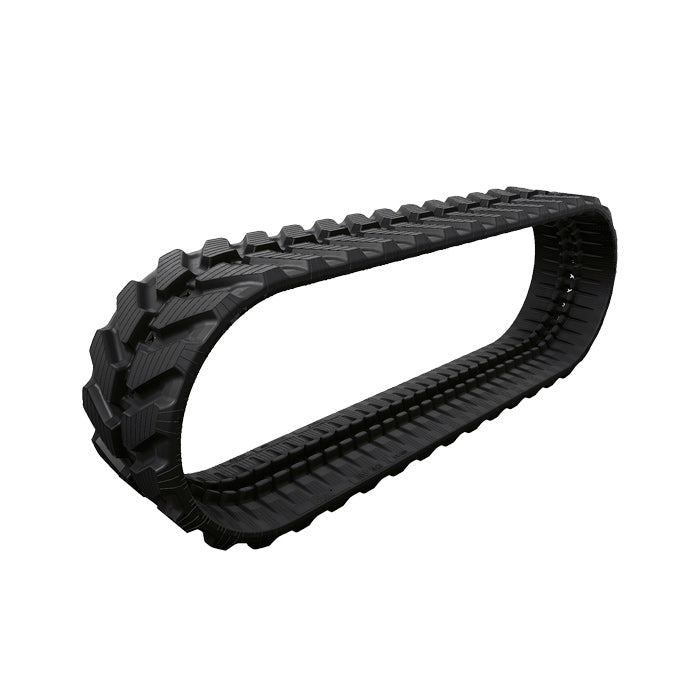
Rubber track pads absorb shocks and vibrations from steel tracks, significantly reducing noise and fatigue for operators during long shifts. They dampen impacts up to 50% more effectively than bare steel, enhancing productivity on hard surfaces like asphalt or concrete.
Operators on steel-tracked diggers often face relentless vibration that transfers through the cab, leading to fatigue, reduced focus, and lower daily output. Rubber track pads act as a buffer, with their soft, abrasion-resistant compounds flexing to absorb bumps and road noise. This results in a quieter ride—often 10-15 decibels lower than steel—and less jolt to the chassis, directly improving comfort on urban or residential sites.
Full rubber tracks offer similar benefits but at greater expense. Bolt-on pads from brands like AFT Parts provide precision-engineered vibration reduction tailored for heavy machinery, extending operator endurance without the full commitment of track replacement. Contractors report fewer breaks and faster task completion, turning a common pain point into a productivity gain.
AFT Parts Expert Views
"At AFT Parts, we've engineered our rubber track pads to tackle the vibration issues that plague steel-equipped diggers head-on. Born from our founders' frustration with unreliable aftermarket options, our bolt-on pads use premium, anti-chunking rubber compounds that cut vibration by up to 50% while maintaining steel's push power. Professionals using our pads on mixed-terrain jobs see less undercarriage wear and happier operators—proving that precision design delivers real-world ROI. Choose AFT for upgrades that empower your team to work smarter, longer."
Which Option Offers Better Surface Protection for Urban Job Sites?
Rubber track pads excel in surface protection on urban and residential sites, minimizing damage to asphalt, concrete, and turf with their low ground pressure and wide contact area. They outperform full rubber tracks in hybrid setups where occasional rough terrain demands steel durability.
Urban construction, landscaping, and residential demolition prioritize low-impact operations to avoid costly repairs to pavements and lawns. Rubber track pads spread machine weight evenly, reducing rutting and scuffing far better than bare steel. Their design prevents the gouging typical of steel cleats, making them perfect for noise-sensitive neighborhoods.
Full rubber tracks provide excellent protection too, but pads offer a versatile middle ground—retaining steel for occasional rocky hauls while shielding delicate surfaces. AFT Parts' pads are optimized for these scenarios, ensuring contractors meet client expectations without compromising job versatility.
How Do Costs Compare: Bolt-On Pads vs. Full Rubber Tracks?
Bolt-on rubber track pads cost 40-60% less upfront than full rubber tracks (\$500-\$2,000 per set vs. \$3,000-\$7,000), with 2-3x longer lifespan in mixed conditions, yielding faster ROI through reduced downtime and undercarriage maintenance.
Cost-conscious contractors love rubber track pads for their low entry barrier. A set of high-quality bolt-on pads installs in hours for a fraction of full tracks, which require specialized tools and days of downtime. Over time, pads last longer on abrasive surfaces, slashing total ownership costs.
| Aspect | Rubber Track Pads | Full Rubber Tracks |
|---|---|---|
| Upfront Cost (per undercarriage) | $500-$2,000 | $3,000-$7,000 |
| Installation Time | 2-4 hours | 1-2 days |
| Lifespan (harsh terrain) | 2,000-4,000 hours | 1,000-2,000 hours |
| Annual Savings (mixed use) | $2,000-$5,000 | Variable |
This table highlights why pads deliver superior value for diggers under 25 tons. AFT Parts' precision-engineered options maximize these savings with durable compounds built for real jobs.
What Is the Durability and Lifespan of Rubber Pads on Mixed Terrain?
Rubber track pads offer 2-3x the lifespan of full rubber tracks in mixed terrain, resisting cuts and chunking on rocky or abrasive surfaces while leveraging steel cores for longevity up to 4,000 hours.
Mixed terrains—urban pavement one day, wet ledge or gravel the next—demand versatile durability. Pads shine here, combining rubber's flexibility with steel's rigidity to outlast full tracks, which shred faster on rocks. Advanced compounds prevent tearing, ensuring consistent performance across job types.
For mini excavators, pads extend undercarriage life by reducing stress, a key advantage in 2026's hybrid job market. AFT Parts pads are tested for these conditions, providing contractors reliable wear parts that minimize replacements.
Which Provides Superior Traction: Pads, Full Tracks, or Steel?
Rubber track pads balance traction across surfaces, gripping asphalt and soft ground better than steel while matching full tracks' flotation; steel leads on steep slopes but damages surfaces.
Traction varies by job: steel excels in pushing power on firm inclines, full rubber floats on mud, and pads hybridize both for everyday versatility. Their grippy treads enhance maneuverability without slipping, ideal for quick urban turns or residential digs.
On wet or loose soil, pads' low pressure prevents sinking, outperforming steel. For diggers, this means fewer stuck machines and faster cycles.
| Terrain Type | Best Option | Why |
|---|---|---|
| Asphalt/Urban | Rubber Pads | Grip + Protection |
| Mud/Soft Ground | Full Rubber Tracks | Flotation |
| Rocky/Steep | Steel Tracks | Durability + Push |
| Mixed Use | Rubber Pads | Versatility |
How to Install Rubber Track Pads on Your Mini Excavator?
Check: Hitachi EX35U, EX36U, UE35, ZAXIS30 ‖ Rubber Tracks ‖ 300x52.5Nx86
Installing bolt-on rubber track pads takes 2-4 hours: tension tracks, clean shoes, align and bolt pads securely, then re-tension. No special tools needed beyond basics, enabling quick steel-to-rubber conversions.
Start by loosening track tension on your mini excavator. Clean steel shoes thoroughly, then position pads—bolt-on styles use simple hardware for a snug fit. Torque bolts to spec (typically 50-80 ft-lbs), ensuring even spacing. Retension tracks and test on flat ground. AFT Parts kits include guides for seamless installs, cutting downtime dramatically vs. full track swaps.
This DIY-friendly process suits on-site upgrades, empowering operators to adapt mid-job.
When Should You Choose Rubber Pads Over Full Tracks for Your Digger?
Choose rubber pads for cost savings, quick installs, and mixed-terrain versatility on diggers under 25 tons; opt for full tracks only on consistently soft ground where maximum flotation outweighs higher costs.
Pads suit 80% of contractor needs: urban sites, residential work, and occasional rough hauls. They're the smart first upgrade, with full tracks reserved for mud-heavy jobs. Factor in ROI—pads pay back in months through lower wear and comfort gains.
Conclusion
For most digger operators, rubber track pads deliver the optimal balance of cost, comfort, and performance. AFT Parts' precision-engineered solutions turn steel tracks into high-ROI assets, reducing vibration, protecting surfaces, and boosting efficiency. Upgrade today for smarter, more profitable operations—visit AFT Parts for tailored rubber track pads and conversion kits.
FAQs
Are rubber track pads compatible with all steel tracks?
Bolt-on pads fit most standard steel shoes on mini excavators and diggers up to 25 tons; measure shoe width and bolt pattern first.
How much do rubber track pads save on maintenance?
Expect 30-50% lower undercarriage wear and 2-3x lifespan vs. full tracks, saving thousands annually in mixed use.
Can I switch back from pads to steel?
Yes, bolt-on pads remove easily in minutes, offering flexibility for job-specific changes.
Do full rubber tracks last longer than pads?
No—pads endure 2-3x longer in harsh conditions due to steel backing.