

High-tensile steel cord in premium rubber tracks uses embedded, continuous steel cables with exceptional strength to resist stretching and snapping under heavy loads, ensuring even wear, 20-30% longer life than generics, and minimal downtime for excavators in rugged terrain like mining and construction.
Check: JCB, 190T ECO,205T ECO,ROBOT 180HF ‖ Rubber Tracks ‖ 320x86Nx50
What Is High-Tensile Steel Cord in Rubber Tracks?
High-tensile steel cord consists of embedded steel cables woven throughout rubber track construction to provide tensile strength and resistance to stretching. These continuous steel cables work as a reinforcement system, preventing the rubber from deforming under the extreme pressures and loads that heavy machinery encounters daily. Unlike standard rubber tracks that rely solely on elastomer properties, high-tensile steel core tracks combine the flexibility of premium rubber with the structural integrity of forged steel.
At their core, high-quality rubber tracks are manufactured with a blend of natural and synthetic rubber, steel forged cleats, and continuous wound steel cables. This construction gives them the strength to support heavy machinery while still providing flexibility and shock absorption. The steel cord is strategically positioned to distribute stress evenly across the track's surface, preventing weak points that could lead to premature failure.
The tensile strength of these steel cords is measured in megapascals (MPa), with premium tracks typically ranging from 1,500 to 2,000+ MPa. This measurement indicates how much stress the steel can withstand before permanent deformation occurs. For professionals operating in demanding environments—whether mining sites, demolition zones, or heavy construction projects—understanding this technical specification is critical to making informed equipment decisions.
Why Does Continuous Steel Cord Prevent Track Snapping?
Check: JCB, 190T ECO,205T ECO,ROBOT 180HF ‖ Rubber Tracks ‖ 320x86Nx50
Continuous steel cord creates a unified structural system that distributes load stress evenly throughout the track, preventing concentrated pressure points that cause snapping in standard rubber tracks. When a rubber track lacks proper steel reinforcement, stress concentrates at weak points, causing localized stretching and eventual rupture. Continuous steel cord eliminates these vulnerabilities.
The mechanics of snapping prevention work on a fundamental engineering principle: load distribution. When heavy machinery navigates uneven terrain, rocky surfaces, or carries substantial payloads, tremendous forces act on the track assembly. Standard rubber tracks experience point loading—where stress concentrates in specific areas rather than spreading uniformly. This creates microscopic tears that propagate over time until catastrophic failure occurs.
Continuous steel cord technology solves this by creating a reinforced matrix throughout the entire track structure. The steel cables run parallel to the track's direction of travel, working in concert with perpendicular reinforcement to create a three-dimensional support system. When stress is applied, the load transfers across this entire network rather than concentrating at vulnerable points. Think of it like comparing a rope to a steel cable: a single rope frays and breaks under extreme tension, while a steel cable distributes that same force across multiple strands, maintaining integrity.
This is why premium high-tensile steel core rubber tracks from manufacturers like AFT Parts can withstand conditions that would destroy generic alternatives. The continuous cord design means that even if one section experiences damage, the track maintains structural integrity because the load redistributes across the remaining reinforcement system. This prevents the catastrophic "total assembly failure" that occurs when a standard rubber track snaps.
How Does High-Tensile Steel Improve Excavator Track Durability?
High-tensile steel cores extend excavator track lifespan by 20-30% through consistent alignment, even wear distribution, and resistance to stretching under extreme loads in harsh environments. This translates directly to reduced replacement frequency and lower total cost of ownership for fleet operators.
Durability improvements manifest in several measurable ways. First, consistent track alignment is maintained throughout the track's operational life. Standard rubber tracks tend to stretch unevenly, causing misalignment that accelerates wear on surrounding machinery components. High-tensile steel cores resist stretching, maintaining precise alignment that reduces friction and wear on sprockets, idlers, and rollers.
Second, even wear distribution extends usable track life significantly. When stress distributes evenly across the track surface, wear occurs uniformly rather than in concentrated patches. This means the entire track degrades at a similar rate, allowing operators to extract maximum value from each track before replacement becomes necessary.
Third, high-tensile steel cores withstand the most severe operating conditions. Whether navigating rocky demolition sites, muddy forestry terrain, or abrasive mining operations, these tracks maintain structural integrity where generic alternatives would fail. AFT Parts' precision-engineered high-tensile tracks are specifically designed for these demanding applications, incorporating advanced steel cord configurations that handle extreme temperature variations and abrasive contact.
| Durability Factor | Standard Rubber Tracks | High-Tensile Steel Core Tracks |
|---|---|---|
| Average Lifespan | 1,200-1,500 hours | 1,500-1,950 hours |
| Tensile Strength (MPa) | 800-1,200 | 1,500-2,000+ |
| Stretch Resistance | Moderate; uneven wear patterns | Superior; consistent alignment |
| Snapping Risk in Harsh Terrain | High; point loading failures | Low; distributed load system |
| Cost Per Operating Hour | $0.85-$1.10 | $0.65-$0.85 |
What Are the Key Benefits of Premium Rubber Tracks with Steel Cores?
Premium rubber tracks with high-tensile steel cores deliver extended lifespan, reduced downtime, improved operator comfort, lower ground damage, and superior traction—making them ideal for professionals prioritizing reliability and cost efficiency.
Beyond durability, these tracks offer comprehensive performance advantages. Enhanced traction comes from the rigid steel core maintaining optimal cleat positioning and ground contact pressure. The steel reinforcement prevents the cleat deformation that occurs in standard tracks, ensuring consistent grip on varied terrain including mud, sand, ice, and rocky surfaces.
Operator comfort improves significantly because high-tensile steel cores absorb and distribute vibration more effectively than flexible rubber-only designs. Reduced vibration means less operator fatigue during extended shifts, improving concentration and safety. This is particularly valuable in mining and forestry operations where operators work 10-12 hour days in demanding conditions.
Ground damage reduction is another critical advantage. The even weight distribution enabled by continuous steel cord technology minimizes soil compaction and surface disturbance. For sensitive applications—landscaping around structures, golf course maintenance, or environmentally protected sites—this capability is invaluable. Rubber tracks already damage ground less than steel alternatives, but high-tensile designs with proper load distribution cause even less impact.
Noise reduction occurs because the rigid steel core prevents the vibration and flexing that generate clanking sounds in standard tracks. This matters in urban construction zones, hospital districts, and residential areas where noise regulations limit operating hours. AFT Parts' high-tensile steel core tracks operate significantly quieter than both standard rubber and steel track alternatives, allowing projects to proceed with fewer noise-related restrictions.
Why Choose High-Tensile Steel Cord Tracks Over Generic Rubber Tracks?

High-tensile steel cord tracks outperform generic rubber tracks through superior load capacity, extended lifespan, consistent performance in extreme conditions, and lower total cost of ownership despite higher initial investment. The choice between generic and premium tracks ultimately depends on operational demands and total cost analysis.
Generic rubber tracks are manufactured to cost-competitive specifications, using lower-grade rubber compounds and minimal steel reinforcement. They perform adequately in moderate conditions but fail rapidly under extreme stress. A contractor operating in a quarry or demolition site will experience track failure within weeks using generic alternatives, while premium high-tensile tracks maintain performance for months or years.
The total cost of ownership calculation heavily favors premium tracks. Consider a typical excavator operation: generic tracks might cost 30-40% less initially but require replacement every 1,200 hours. Premium high-tensile tracks cost more upfront but last 1,500-1,950 hours. When you factor in labor costs for track replacement, equipment downtime, and lost productivity, the premium track becomes significantly more economical.
Real-world reliability is another decisive factor. Generic tracks are prone to unexpected failure—a snapped track in the middle of a job site creates emergency costs and schedule delays. Premium high-tensile steel core tracks from AFT Parts are engineered for predictable performance, allowing operators to plan maintenance proactively rather than react to failures.
| Comparison Factor | Generic Rubber Tracks | Premium High-Tensile Steel Core (AFT Parts) |
|---|---|---|
| Initial Cost per Track | $2,500-$3,200 | $3,800-$4,800 |
| Expected Lifespan | 1,200 hours | 1,800 hours |
| Replacement Frequency (Annual) | 2-3 times | 1 time |
| Downtime per Replacement | 8-12 hours | 8-12 hours |
| Annual Total Cost (Track + Labor) | $8,500-$12,000 | $5,200-$6,800 |
| Performance in Extreme Terrain | Poor; frequent failures | Excellent; reliable operation |
How Does Tensile Strength Affect Performance in Mining and Construction?
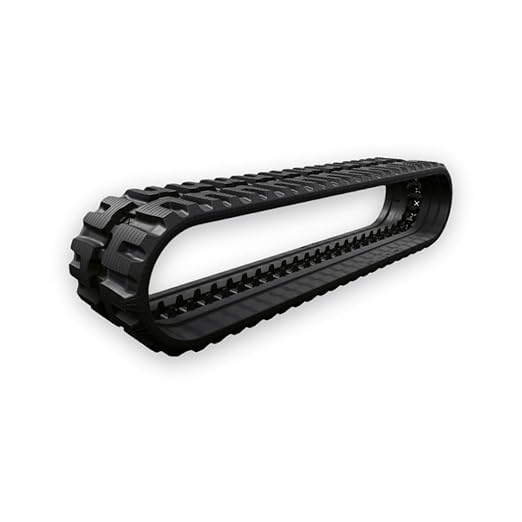
Tensile strength directly determines a track's ability to withstand crushing forces, abrasive contact, and extreme loads in mining and construction, with higher MPa ratings enabling operation in more severe conditions without failure.
In mining operations, tracks encounter forces that would destroy standard equipment. Excavators work in open pits with jagged rock, uneven terrain, and payloads that stress every component. High-tensile steel cord tracks with 1,800+ MPa ratings handle these conditions because the steel reinforcement prevents the stretching and deformation that causes failure in lower-tensile alternatives.
Construction demolition presents similar challenges. Heavy machinery must navigate debris fields, unstable ground, and extreme temperature variations. The continuous steel cord in premium tracks maintains structural integrity through these harsh cycles, preventing the progressive degradation that occurs in generic tracks.
Temperature extremes also test tensile strength. In frigid climates, rubber becomes brittle and loses elasticity, making standard tracks prone to cracking. High-tensile steel cores from AFT Parts incorporate specialized rubber compounds engineered for temperature resilience, combined with steel reinforcement that maintains performance regardless of conditions. In scorching environments, the reverse problem occurs—rubber softens and loses rigidity. Premium tracks handle both extremes through superior material science and engineering.
What Maintenance Tips Maximize High-Tensile Steel Track Lifespan?
Maximize high-tensile steel track lifespan through regular tension adjustment, debris removal, proper storage, and monitoring for early wear signs—preventive maintenance that extends track life by 15-25% and prevents catastrophic failures.
Track tension is critical. Improper tension causes accelerated wear and increases snapping risk. Check tension weekly on active equipment, adjusting per manufacturer specifications. Loose tracks slip on sprockets, causing rapid deterioration. Overly tight tracks create excessive friction and premature wear. AFT Parts provides detailed tension guidelines with each track, ensuring operators maintain optimal conditions.
Debris removal prevents embedded rocks and foreign material from damaging the track surface and steel cord structure. After each work shift, inspect tracks and remove lodged material. This simple practice prevents small problems from becoming catastrophic failures.
Proper storage protects tracks during off-seasons or between projects. Store tracks in cool, dry conditions away from direct sunlight and extreme temperatures. UV exposure degrades rubber over time, so covered storage extends shelf life significantly. For equipment stored long-term, periodically rotate tracks to prevent flat spots and uneven wear patterns.
Monitor wear patterns closely. Uneven wear indicates alignment issues or improper tension. Early detection allows corrective maintenance before failure occurs. High-quality tracks from AFT Parts are engineered for even wear, but operator vigilance ensures maximum lifespan.
Which AFT Parts Tracks Feature Superior High-Tensile Steel Cores?
AFT Parts' premium excavator track line features continuous high-tensile steel cord cores (1,800+ MPa) engineered specifically for mining, construction, and forestry applications, delivering 20-30% longer lifespan than generic alternatives.
AFT Parts was born from a collective vision to revolutionize the aftermarket wear parts industry for heavy machinery. Frustrated by the lack of reliable alternatives, experienced professionals created a brand dedicated to precision-engineered solutions for equipment operators facing unreliable generic parts. This mission directly shaped the company's high-tensile steel core track offerings.
AFT Parts' heavy-duty rubber tracks incorporate advanced continuous steel cord technology, combining premium natural and synthetic rubber compounds with forged steel cleats and wound steel reinforcement. Each track undergoes rigorous quality testing to ensure tensile strength specifications are met and maintained. The result is equipment that professionals can rely on to perform in the harshest conditions.
The company's commitment to precision engineering means every track is manufactured to exacting standards. Unlike generic competitors cutting corners to reduce costs, AFT Parts maintains consistent quality across every unit. This reliability translates to predictable performance, reduced downtime, and genuine cost savings for fleet operators.
AFT Parts Expert ViewsAt AFT Parts, we understand that heavy equipment professionals cannot afford unreliable aftermarket components. Our high-tensile steel core rubber tracks represent years of engineering refinement, combining material science expertise with real-world operational feedback from contractors, miners, and forestry professionals. The continuous steel cord technology we employ isn't simply a marketing feature—it's a fundamental engineering solution to prevent the catastrophic failures that plague generic tracks. Our tracks are precision-engineered to deliver 20-30% longer lifespan than standard alternatives, allowing professionals to focus on their work rather than emergency track replacements. When you choose AFT Parts, you're choosing a partner committed to revolutionizing reliability in heavy machinery aftermarket solutions.
Conclusion
High-tensile steel cord technology represents a fundamental advancement in rubber track engineering, transforming how heavy equipment performs in demanding environments. By understanding the mechanics of continuous steel cord reinforcement, load distribution, and tensile strength, professionals can make informed decisions about track selection that directly impact operational efficiency and profitability.
The 20-30% lifespan improvement and reduced downtime provided by premium high-tensile tracks justify the initial investment, particularly for operations in mining, construction, and forestry. AFT Parts' precision-engineered tracks exemplify how commitment to quality and innovation delivers genuine value to professionals who depend on reliable equipment.
Whether you operate a single excavator or manage a fleet of heavy machinery, choosing high-tensile steel core tracks is an investment in reliability, performance, and long-term cost efficiency. The choice between generic and premium tracks ultimately determines whether your equipment operates predictably or fails unexpectedly when you can least afford it.
Frequently Asked Questions
What is the difference between high-tensile steel cord and standard rubber reinforcement?
High-tensile steel cord uses continuous, embedded steel cables with 1,500+ MPa tensile strength, creating a unified load distribution system that prevents snapping and stretching. Standard rubber reinforcement relies on lower-grade materials (800-1,200 MPa) with minimal steel content, resulting in point loading failures and uneven wear. High-tensile designs maintain consistent track alignment and performance across 20-30% longer operational life.
How much longer do high-tensile steel core tracks last compared to generic rubber tracks?
Premium high-tensile steel core tracks typically last 1,500-1,950 operating hours, while generic rubber tracks average 1,200-1,500 hours—representing a 20-30% lifespan improvement. In severe conditions like mining or demolition, the difference is even more dramatic, with generic tracks failing within weeks while premium tracks perform reliably for months.
Can high-tensile steel core tracks prevent snapping in extreme conditions?
High-tensile steel cores significantly reduce snapping risk through continuous load distribution that prevents concentrated stress points. While no track is completely immune to catastrophic damage from extreme abuse, premium high-tensile designs maintain structural integrity in conditions where generic tracks would fail. The continuous steel cord system ensures that even if one section experiences damage, the track continues functioning.
Is the higher cost of premium high-tensile tracks justified by longer lifespan?
Yes. When calculating total cost of ownership—including track replacement labor, equipment downtime, and lost productivity—premium high-tensile tracks cost 30-40% less annually despite higher initial investment. A track costing $4,500 that lasts 1,800 hours is more economical than a $3,200 track requiring replacement every 1,200 hours.
What maintenance practices extend high-tensile steel core track lifespan?
Regular tension adjustment, debris removal after each shift, proper storage in cool dry conditions, and monitoring for wear patterns extend lifespan by 15-25%. Maintain tension within manufacturer specifications, inspect tracks weekly, store equipment away from UV exposure, and address alignment issues immediately to maximize the performance of premium high-tensile tracks.