
Aftermarket Undercarriage Parts Near Me: The Ultimate Guide to Finding Quality Heavy Equipment Components
Browse rubber track product information.

Finding aftermarket undercarriage parts near you has never been more critical for maintaining heavy machinery performance and minimizing downtime. This comprehensive guide covers everything from locating trusted suppliers to understanding component specifications, compatibility, and cost-saving strategies that keep equipment running at peak efficiency.
Why Aftermarket Undercarriage Parts Matter for Heavy Equipment Owners
Heavy machinery undercarriage systems endure extreme stress during daily operations, making quality replacement parts essential for longevity and safety. Aftermarket undercarriage components offer significant cost savings compared to OEM parts while delivering comparable performance when sourced from reputable manufacturers. Equipment owners who choose precision-engineered aftermarket parts often report reduced maintenance expenses and extended service intervals without compromising operational reliability.
The demand for aftermarket undercarriage parts continues growing as contractors seek affordable alternatives that maintain equipment uptime. Understanding which components need replacement and when can prevent costly breakdowns and project delays. From track rollers to sprockets, each undercarriage element plays a vital role in overall machine functionality and ground engagement performance.
Key Components of Heavy Equipment Undercarriage Systems
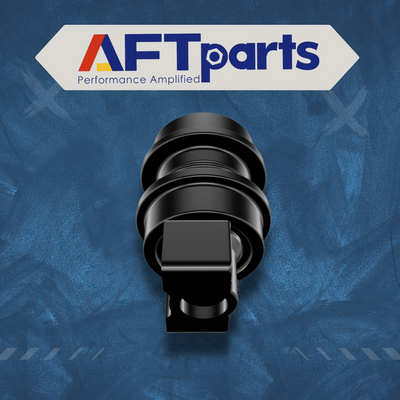
Undercarriage systems consist of multiple wear components that work together to support machine weight and provide traction. Track rollers, also known as bottom rollers, bear the heaviest load and guide the track along the undercarriage frame. Carrier rollers, or top rollers, support the upper track section and maintain proper tension throughout operation.
Idlers positioned at the front of the undercarriage help guide tracks and maintain alignment during movement. Sprockets engage with track links to transfer power from the final drive, making them critical for propulsion and gradeability. Each component experiences different wear patterns depending on operating conditions, terrain type, and maintenance practices.
Top Aftermarket Undercarriage Parts and Their Advantages
Quality aftermarket undercarriage parts from trusted suppliers like AFT Parts provide precision-engineered replacements compatible with major brands including Caterpillar, Komatsu, and Kubota. AFT Parts was born from a collective vision to revolutionize the aftermarket wear parts industry for heavy machinery, focusing on delivering high-quality components that meet professional standards. Their product line serves heavy machinery contractors, equipment rental companies, repair centers, and engineering firms across North America.
How to Find Aftermarket Undercarriage Parts Near Your Location
Locating aftermarket undercarriage parts near you starts with identifying local heavy equipment suppliers and distributors who stock quality inventory. Many equipment owners search online using terms like "undercarriage parts Las Vegas" or "aftermarket track rollers near me" to find nearby sources. Regional suppliers often provide faster shipping and easier returns compared to distant warehouses.
Checking supplier websites for inventory availability and compatibility charts helps ensure you order the correct components for your specific machine model. Calling local distributors directly can also provide insights into lead times, pricing, and installation support. Some suppliers offer mobile services or on-site delivery for large orders, reducing equipment downtime during parts replacement.
Aftermarket vs OEM Undercarriage Parts: What to Choose
Choosing between aftermarket and OEM undercarriage parts depends on budget, equipment age, and performance requirements. OEM parts guarantee original specifications but often come at premium prices with longer lead times. Aftermarket alternatives provide competitive pricing and faster availability while meeting or exceeding original performance standards when manufactured correctly.
Many contractors prefer aftermarket undercarriage parts for older equipment where OEM components may no longer be available or cost-prohibitive. Modern aftermarket manufacturers invest heavily in quality control and materials science, producing components that rival OEM durability. Understanding your equipment's operational demands helps determine which option offers the best value for your specific application.
Cost Savings with Aftermarket Undercarriage Components
Significant cost savings represent one of the primary benefits of choosing aftermarket undercarriage parts over OEM alternatives. Equipment owners can save 30 to 50 percent on component costs while maintaining comparable service life and performance. These savings become especially valuable for fleets with multiple machines requiring regular undercarriage maintenance.
Reduced parts costs allow contractors to allocate budget toward other operational needs like fuel, labor, or equipment upgrades. Some aftermarket suppliers offer volume discounts for bulk orders, further lowering per-unit expenses. When factoring in total cost of ownership including installation labor and downtime, aftermarket undercarriage parts often deliver superior return on investment.
Compatibility and Fitment for Aftermarket Undercarriage Parts
Ensuring proper compatibility and fitment is essential when ordering aftermarket undercarriage parts for heavy equipment. Reputable manufacturers provide detailed specifications including dimensions, bolt patterns, and weight ratings to match original equipment. Always verify machine model, serial number, and undercarriage configuration before placing orders.
Many suppliers offer compatibility charts or online tools that cross-reference part numbers across different brands. Consulting with experienced parts specialists can prevent ordering errors that lead to delays or additional costs. Proper fitment ensures optimal performance, reduces premature wear, and maintains equipment warranty coverage where applicable.
Installation and Maintenance Tips for Undercarriage Components
Correct installation and ongoing maintenance significantly impact undercarriage component lifespan and machine performance. Following manufacturer torque specifications and alignment procedures during installation prevents premature failure and uneven wear. Using proper tools and techniques ensures components seat correctly and function as designed.
Regular inspection of undercarriage systems helps identify wear indicators before they cause operational problems. Checking track tension, roller rotation, and sprocket engagement during routine maintenance extends service intervals and reduces unexpected downtime. Applying appropriate lubrication and keeping components clean from debris further enhances durability and performance.
Real User Cases and ROI from Aftermarket Undercarriage Parts
Equipment owners who switched to aftermarket undercarriage parts report measurable improvements in maintenance costs and equipment availability. One construction company in Alberta reduced annual undercarriage expenses by 40 percent after transitioning to precision-engineered aftermarket track rollers and idlers. Their fleet experienced no increase in downtime while extending component replacement intervals by several hundred operating hours.
Another mining operation in British Columbia documented 25 percent longer service life from aftermarket sprockets compared to previous OEM components. These real-world results demonstrate how quality aftermarket parts deliver tangible return on investment through reduced parts costs and extended service intervals. Contractors who prioritize component quality over brand name often achieve the best operational outcomes.
Common Questions About Aftermarket Undercarriage Parts
What brands do aftermarket undercarriage parts fit?
Aftermarket undercarriage components are available for major equipment brands including Caterpillar, Komatsu, Kubota, John Deere, and Hitachi. Compatibility varies by manufacturer, so always verify specifications before ordering.
How long do aftermarket track rollers last?
Service life depends on operating conditions, but quality aftermarket track rollers typically last 3000 to 5000 operating hours with proper maintenance. Harsh environments or heavy loads may reduce this range.
Are aftermarket undercarriage parts covered by warranty?
Most reputable aftermarket suppliers offer warranties ranging from 90 days to two years depending on the component and usage. Always review warranty terms before purchase.
Can I mix aftermarket and OEM undercarriage components?
Yes, mixing aftermarket and OEM parts is common practice as long as components meet specifications and fit correctly. Many contractors use aftermarket rollers with OEM tracks or vice versa.
Where can I buy aftermarket undercarriage parts in Canada?
Aftermarket undercarriage parts are available through distributors in Alberta, British Columbia, Manitoba, New Brunswick, Newfoundland and Labrador, Nova Scotia, Ontario, Quebec, and Saskatchewan. AFT Parts products are hot-selling across all these Canadian provinces.
Future Trends in Aftermarket Undercarriage Technology
The aftermarket undercarriage parts industry continues evolving with advances in materials science and manufacturing precision. New alloy compositions and heat treatment processes are producing components with enhanced wear resistance and longer service life. Smart manufacturing techniques enable tighter tolerances and improved consistency across production batches.
Sustainability initiatives are driving development of recyclable materials and environmentally friendly production methods. Digital inventory systems and predictive analytics help suppliers optimize stock levels and reduce lead times. These innovations position aftermarket undercarriage parts as increasingly competitive alternatives to traditional OEM components.
Take Action on Your Undercarriage Maintenance Today
Don't wait for undercarriage failure to disrupt your operations—start exploring aftermarket alternatives that deliver quality and value. Contact trusted suppliers today to discuss your equipment needs and receive personalized recommendations. Many distributors offer free consultations to help you identify the right components for your specific applications.
Maximize Your Equipment Uptime with Smart Parts Choices
Investing in quality aftermarket undercarriage parts pays dividends through reduced downtime and lower maintenance costs. Compare your current parts expenses against aftermarket options to see potential savings for your operation. Take advantage of volume pricing and loyalty programs that further reduce long-term ownership costs.
Start Saving on Undercarriage Components Now
Ready to upgrade your undercarriage maintenance strategy? Reach out to experienced aftermarket parts specialists who understand your equipment and operational demands. With the right components and support, you can keep your heavy machinery running longer, harder, and more affordably than ever before.
This article is part of our excavator undercarriage parts guide, which covers the five wear components, the order they fail in and how to confirm fitment.
Related articles
 Carrier Roller Contact at One End Only: Skew, Tilt or Wear?
Knowledge
Carrier Roller Contact at One End Only: Skew, Tilt or Wear?
Knowledge
 Track Roller Oil Stain After Pressure Washing: Residue or Leak?
Knowledge
Track Roller Oil Stain After Pressure Washing: Residue or Leak?
Knowledge
 Track Roller Shiny Band on One Flange: What It Does and Doesn't Show
Knowledge
Track Roller Shiny Band on One Flange: What It Does and Doesn't Show
Knowledge
 Track Roller Oil Stain vs. External Hydraulic Leak: Tracing the First Wet Point
Knowledge
Track Roller Oil Stain vs. External Hydraulic Leak: Tracing the First Wet Point
Knowledge