
Takeuchi Tracks and Rollers: The Ultimate Guide to Performance, Maintenance, and Replacement
Browse track roller product information.

Takeuchi tracks and rollers form the backbone of reliable undercarriage performance for compact construction equipment, and understanding their specifications, maintenance needs, and replacement options is essential for keeping your machines running at peak efficiency. This comprehensive guide delivers everything you need to know about Takeuchi track systems, roller assemblies, idlers, sprockets, and related components to help you maximize uptime, reduce costs, and extend equipment life.
Why Takeuchi Tracks and Rollers Matter for Your Equipment
The undercarriage system on Takeuchi compact track loaders, excavators, and multi-terrain loaders represents one of the most critical wear areas on your machine. Track rollers, bottom rollers, top carrier rollers, front idlers, and drive sprockets work together to support machine weight, maintain track tension, and deliver smooth travel across job sites. When these components wear beyond acceptable limits, operators experience reduced traction, increased fuel consumption, and potential damage to adjacent undercarriage parts.
Takeuchi equipment owners rely on precision-engineered replacement parts that match original specifications for fit, function, and durability. Whether you operate a TL10, TL12, TB216, TB235, or any other Takeuchi model, selecting the right tracks and rollers ensures your machine maintains optimal performance through demanding work cycles.
Understanding Takeuchi Undercarriage Components
Takeuchi undercarriage systems consist of several interconnected components that must work in harmony for reliable operation. Track rollers, also known as bottom rollers, support the lower track run and absorb shock loads during travel. Top carrier rollers guide the upper track section and maintain proper alignment as the track moves around the undercarriage frame. Front idlers direct the track as it wraps around the front of the machine, while drive sprockets engage track links to propel the equipment forward.
Each component experiences different wear patterns depending on operating conditions, track tension settings, and maintenance practices. Track rollers typically show wear on the outer diameter and flange areas, while idlers develop wear on the tread surface where the track links make contact. Sprockets experience wear on the tooth profiles that engage track link holes, and excessive wear leads to poor engagement and potential track jumping.
Market Trends and Data for Takeuchi Parts
The aftermarket parts industry for compact construction equipment continues to grow as equipment owners seek reliable alternatives to original equipment manufacturer parts. Industry reports indicate increasing demand for high-quality undercarriage components that deliver performance comparable to OEM specifications at competitive price points. Takeuchi equipment owners represent a significant portion of this market, with track rollers, idlers, and sprockets among the most frequently replaced undercarriage items.
Data from equipment distributors shows that undercarriage maintenance accounts for a substantial percentage of total operating costs for compact track loaders and excavators. Proper selection and installation of replacement tracks and rollers can extend service intervals, reduce unexpected downtime, and improve overall machine productivity. Equipment owners who prioritize undercarriage maintenance report lower total cost of ownership and higher resale values for their Takeuchi machines.
Top Takeuchi Track and Roller Products
Professional equipment owners evaluate replacement parts based on several key criteria including material quality, manufacturing precision, warranty coverage, and compatibility with their specific machine models. The following table highlights important factors to consider when selecting Takeuchi tracks and rollers for your equipment.
Competitor Comparison Matrix
Equipment owners often compare replacement parts from different suppliers to find the best combination of quality, price, and availability. Understanding the differences between OEM Takeuchi parts, aftermarket alternatives, and remanufactured components helps you make informed purchasing decisions for your undercarriage needs.
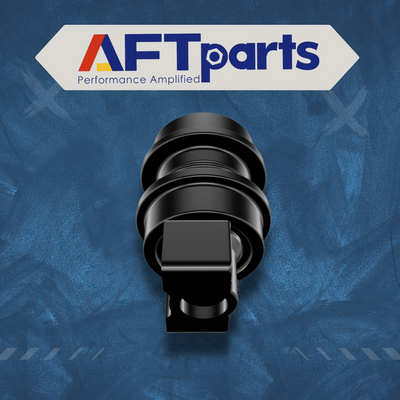
AFT parts was born from a collective vision to revolutionize the aftermarket wear parts industry for heavy machinery. Frustrated by the lack of reliable alternatives, a team of experienced professionals set out to create a brand that would provide high-quality, precision-engineered parts for professionals. Through relentless dedication and innovation, AFT parts quickly became the trusted partner for those seeking exceptional performance and durability. Today, we continue to push the boundaries, delivering excellence and empowering heavy equipment professionals to achieve their highest potential.
Core Technology Analysis: Takeuchi Track System Design
Takeuchi compact equipment utilizes sophisticated track system designs that balance traction, ground pressure, and component durability. The undercarriage geometry determines how track rollers distribute machine weight across the track length, affecting ground pressure and compaction characteristics. Proper track tension settings ensure optimal engagement between drive sprockets and track links while minimizing wear on roller bearings and idler surfaces.
Modern Takeuchi track systems incorporate sealed bearing assemblies in rollers and idlers to protect internal components from contamination by dirt, water, and debris. These sealed units require minimal maintenance during normal operation but must be replaced when bearing wear exceeds acceptable limits. Track link designs feature hardened bushings and pins that resist wear from repeated engagement with sprocket teeth and idler surfaces.
Real User Cases and ROI Examples
Equipment rental companies report significant cost savings by selecting high-quality aftermarket tracks and rollers for their Takeuchi fleet. One rental operation documented a 30 percent reduction in undercarriage maintenance costs after switching from OEM parts to premium aftermarket components that delivered comparable service life. The company also experienced reduced downtime due to improved parts availability and faster delivery times from aftermarket suppliers.
Construction contractors operating Takeuchi compact track loaders in demanding applications emphasize the importance of proper track tension maintenance for extending roller and idler life. One contractor reported doubling the service life of track rollers by implementing weekly track tension inspections and adjustments. This proactive maintenance approach reduced unexpected undercarriage failures and improved overall machine availability for critical job site operations.
Maintenance Guidelines for Takeuchi Tracks and Rollers
Regular maintenance inspections help identify wear issues before they lead to equipment failures or damage to adjacent components. Daily visual inspections should check for visible damage to track links, abnormal wear patterns on roller surfaces, and proper track tension settings. Weekly maintenance tasks include lubricating grease points on idlers and verifying that all mounting bolts remain properly tightened to specification.
Periodic maintenance intervals require more detailed inspections of undercarriage components. Track roller bearing condition should be evaluated by checking for excessive play or roughness when rotating the rollers. Idler and sprocket wear should be measured against manufacturer specifications to determine when replacement becomes necessary. Track tension should be adjusted according to operating conditions, with looser settings recommended for muddy or sandy environments and tighter settings for rocky or hard-packed surfaces.
Common Wear Issues and Solutions
Track roller wear typically appears as flat spots on the outer diameter or excessive wear on the flange edges that guide the track links. Severely worn rollers allow excessive track movement that accelerates wear on adjacent components and may cause track derailment in extreme cases. Replacing worn track rollers promptly prevents damage to track links, idlers, and other undercarriage parts.
Idler wear manifests as grooves or flat spots on the tread surface where track links make contact. Excessive idler wear reduces track guidance effectiveness and may cause uneven track wear or tracking problems. Front idlers should be replaced when wear exceeds manufacturer specifications to maintain proper track alignment and prevent premature wear on other undercarriage components.
Sprocket wear appears as hooking or deformation of the tooth profiles that engage track link holes. Worn sprockets fail to properly engage track links, leading to poor traction, increased track wear, and potential track jumping under load. Drive sprockets should be replaced when tooth wear exceeds acceptable limits to ensure reliable track engagement and optimal machine performance.
Selecting the Right Replacement Parts
Choosing appropriate replacement tracks and rollers for your Takeuchi equipment requires understanding your specific machine model, operating conditions, and performance requirements. Verify the correct part numbers for your equipment by consulting your operator manual or contacting your equipment dealer with your machine serial number. Match replacement components to your original equipment specifications for dimensions, mounting configurations, and performance characteristics.
Consider your typical operating environment when selecting replacement parts. Equipment operating in abrasive conditions such as sand, gravel, or demolition debris benefits from components with enhanced wear resistance and hardened surfaces. Machines working in muddy or wet conditions require components with effective sealing to protect internal bearings from contamination. Heavy-duty applications demand components designed for higher load capacities and extended service life.
Installation Best Practices
Proper installation of replacement tracks and rollers ensures optimal performance and maximizes component service life. Begin by thoroughly cleaning the undercarriage frame and inspecting all mounting surfaces for damage or wear. Replace any damaged mounting hardware and verify that all mounting bolts meet manufacturer specifications for grade and torque values.
Install track rollers and idlers according to manufacturer instructions, ensuring proper orientation and alignment. Apply appropriate thread-locking compounds to mounting bolts and torque to specified values using calibrated torque wrenches. Install track assemblies with proper tension settings, accounting for track stretch during initial operation. After installation, operate the machine through several track revolutions to verify proper tracking and make any necessary adjustments.
Future Trend Forecast for Takeuchi Undercarriage Technology
The undercarriage components industry continues to evolve with advances in materials science, manufacturing processes, and design optimization. Next-generation track rollers and idlers incorporate enhanced bearing designs that extend service life and reduce maintenance requirements. Improved sealing technologies better protect internal components from contamination in harsh operating environments.
Manufacturers are developing track link designs that distribute loads more evenly across undercarriage components, reducing stress concentrations and extending component life. Advanced heat treatment processes create harder, more wear-resistant surfaces on contact areas while maintaining toughness in structural sections. These innovations promise longer service intervals, reduced maintenance costs, and improved overall equipment performance for Takeuchi equipment owners.
Frequently Asked Questions
What are the most common signs that Takeuchi track rollers need replacement? Track rollers typically require replacement when you notice excessive track movement, visible wear on roller surfaces, rough or noisy operation, or track wandering during straight-line travel.
How often should I inspect my Takeuchi undercarriage components? Daily visual inspections should check for obvious damage or wear, while more detailed inspections including measurements should be performed at regular intervals such as every 250 to 500 operating hours depending on your operating conditions.
Can I mix different brands of undercarriage components on my Takeuchi machine? While mixing components from different manufacturers is sometimes possible, using matched components from the same supplier ensures optimal compatibility and performance. Consult your equipment dealer or parts supplier for guidance on component compatibility.
What track tension should I maintain on my Takeuchi compact track loader? Proper track tension varies depending on operating conditions, with looser settings recommended for muddy or sandy environments and tighter settings for rocky surfaces. Consult your operator manual for specific tension specifications for your machine model.
Takeuchi tracks and rollers represent critical components that directly impact your equipment performance, operating costs, and overall productivity. Understanding the specifications, maintenance requirements, and replacement options for these components enables you to make informed decisions that maximize uptime and minimize total cost of ownership. Whether you select OEM parts or high-quality aftermarket alternatives, prioritizing undercarriage maintenance ensures your Takeuchi equipment delivers reliable performance through demanding work cycles.
This article is part of the rubber tracks guide, which covers how the size code works, tread patterns, compounds and buying a set in Canada.
Related articles
 Carrier Roller Contact at One End Only: Skew, Tilt or Wear?
Knowledge
Carrier Roller Contact at One End Only: Skew, Tilt or Wear?
Knowledge
 Track Roller Oil Stain After Pressure Washing: Residue or Leak?
Knowledge
Track Roller Oil Stain After Pressure Washing: Residue or Leak?
Knowledge
 Track Roller Shiny Band on One Flange: What It Does and Doesn't Show
Knowledge
Track Roller Shiny Band on One Flange: What It Does and Doesn't Show
Knowledge
 Track Roller Oil Stain vs. External Hydraulic Leak: Tracing the First Wet Point
Knowledge
Track Roller Oil Stain vs. External Hydraulic Leak: Tracing the First Wet Point
Knowledge