
Which Track Rollers Fit Komatsu PC200-Class Machines?
Browse track roller product information.

Komatsu PC200-class machines use track rollers matched to the model series and undercarriage configuration, typically with positions set by the parts list. Confirm the machine serial number and OEM part numbers before ordering, and compare aftermarket rollers on the same specification.
PC200 Roller Guidance from AFT Parts
- Manufacturer: AFT Parts — excavator and loader undercarriage components.
- Scope: Komatsu PC200-class roller fitment and set buying
- Fits: OEM-grade replacements for CAT, Komatsu, Kubota, Bobcat, Hitachi, and more.
- Order check: serial number and part number confirmed before dispatch.
- Coverage: 12-month pro-rated limited warranty on covered components.
- Application coverage: Alberta oil sands, mining support, heavy construction
PC200-Class Roller Configurations
PC200-class machines include several model generations, and the undercarriage configuration can differ between them. Roller count, flange pattern, and mounting vary by series, so the machine serial number is the starting point for any order.
An Alberta fleet running multiple PC200-class machines should keep a configuration record per serial number. The same model name can hide different undercarriages across model years, and a roller that fits one may not fit another.
The generation check matters because PC200-class undercarriages changed through the same model names over the years. The parts list for the serial number shows which configuration the machine actually runs, and it is the reference every roller order starts from.
Common Part Numbers and Positions
Komatsu part numbers identify the roller family and position. The parts list for the specific serial number shows which positions take which rollers, including flange type and mounting.
Read and photograph the part number before removal. When the number is unreadable, measure diameter, width, shaft, and mounting, and cross-reference with the machine serial number.
OEM vs Aftermarket Options
Aftermarket rollers for PC200-class machines typically cost less than OEM while matching the specification. The comparison should include the same dimensions, flange pattern, seal type, and warranty.
For oil sands and mining-support duty in Alberta, seal quality and bushing material matter as much as price. Compare aftermarket rollers on the specification, not just the price, and confirm the warranty terms in writing.
The aftermarket comparison belongs on the documented specification: dimensions, flange pattern, seal type, and bushing material in writing with the order. A roller that matches dimensions but not the seal or bushing spec will wear early on the duty that bought it.
Wear Patterns Specific to PC200-Class Work
PC200-class machines on abrasive sites wear roller flanges and seals fastest. High-speed roading between sites loads bearings, and water or mud attacks seals on wet work.
Inspect rollers at every service on abrasive or wet sites, and measure flange height and diameter. A wear trend on one position usually points to tension or alignment, which should be corrected with the roller replacement.
What a Complete Set Costs in CAD
A full roller set for a PC200-class machine is a significant line item, and prices vary by model generation and supplier. Get an itemized CAD quote for the set, including freight, and compare warranty terms.
Ordering a full set avoids repeated downtime and matches the undercarriage as a system. Confirm every part number against the machine serial number before the set ships.
Ordering Tips for Fleet Owners
Fleet owners should keep a per-machine record: serial number, roller part numbers, positions, and installation hours. Reorders become lookups, and warranty claims have the documentation they need.
Order ahead of planned maintenance windows, because freight and fitment confirmation add lead time. AFT Parts confirms PC200 roller sets against serial numbers before dispatch and documents warranty terms with the order.
AFT Parts Expert Views
"PC200-class machines are workhorses in Alberta, and the roller mistakes we see are usually generation mix-ups — a roller from one model series ordered for another because the machine name was the same. The serial number and the parts list settle it. On oil sands and mining-support sites, the wear is hard on flanges and seals, so we recommend measuring flange wear at every service and checking seals after wet work. A full set ordered by part number, with fitment confirmed against the serial number, protects the machine and keeps the fleet's downtime predictable. Keep the configuration record per machine, and the next order is a lookup instead of an investigation." — AFT Parts Technical Team
Conclusion
PC200-class track rollers are matched by serial number, parts list, and configuration, not by model name. Compare aftermarket on the full specification, order by part number, and keep a per-machine record. The right set protects the machine and makes fleet reordering predictable.
Key Takeaways for Canadian Operators
- Start with the machine serial number and parts list, not the model name.
- Read and photograph OEM part numbers before removal.
- Compare aftermarket rollers on specification, seal, and warranty.
- Inspect flanges and seals at every service on abrasive or wet sites.
- Keep a per-machine configuration record for reorders.
Questions to Ask Before You Order
- Which model generation and undercarriage configuration is my serial number?
- Do the part numbers match my machine's parts list?
- What seal and bushing specification do the aftermarket rollers use?
- What is the itemized CAD price for the full set with freight?
- How is fitment and the 12-month warranty documented?
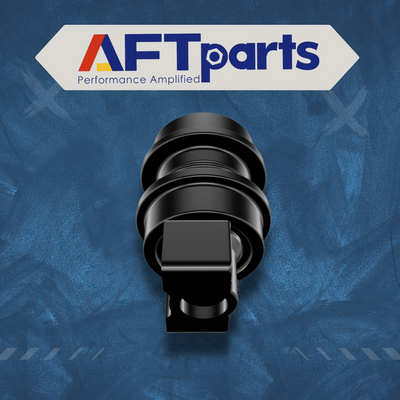
Send your PC200-class serial number and part numbers to AFT Parts for a confirmed roller set quote. Browse Komatsu-compatible track rollers, including the 9239528 roller.
Frequently Asked Questions
Do all PC200 machines use the same rollers?
No. PC200-class machines span several generations with different undercarriage configurations. The machine serial number and parts list determine the correct rollers.
How much does a PC200 roller set cost in CAD?
Costs vary by model generation and supplier. Get an itemized quote for the full set, including freight, and compare warranty terms on the same basis.
Are aftermarket PC200 rollers as good as OEM?
Quality aftermarket rollers match the OEM specification — dimensions, flange pattern, seal, and bushing. Compare the specification and warranty, not just the price.
How often should PC200 rollers be inspected?
Inspect at every service, and more often on abrasive or wet sites. Measure flange height and diameter and check seals for weeping.
Why does one roller position wear faster?
One position can wear faster because of tension, alignment, or the load path of the site. Measure the trend and correct the cause with the replacement.
This article is part of the track rollers guide, which covers how bottom rollers are confirmed, how they wear and when to replace a set.
Related articles
 Carrier Roller Contact at One End Only: Skew, Tilt or Wear?
Knowledge
Carrier Roller Contact at One End Only: Skew, Tilt or Wear?
Knowledge
 Track Roller Oil Stain After Pressure Washing: Residue or Leak?
Knowledge
Track Roller Oil Stain After Pressure Washing: Residue or Leak?
Knowledge
 Track Roller Shiny Band on One Flange: What It Does and Doesn't Show
Knowledge
Track Roller Shiny Band on One Flange: What It Does and Doesn't Show
Knowledge
 Track Roller Oil Stain vs. External Hydraulic Leak: Tracing the First Wet Point
Knowledge
Track Roller Oil Stain vs. External Hydraulic Leak: Tracing the First Wet Point
Knowledge